


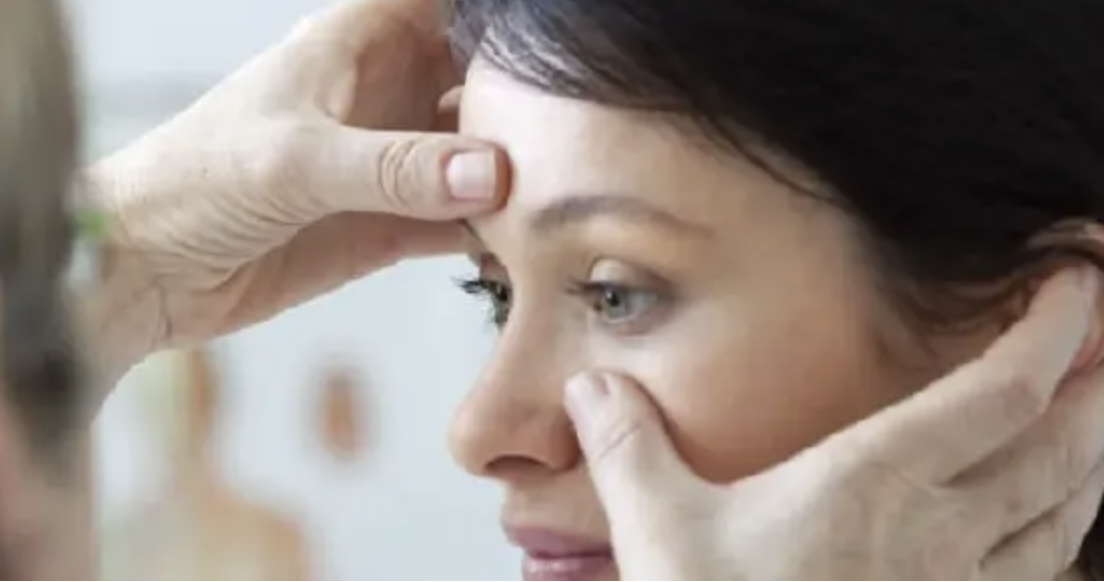
Deviated Septum
Have you ever experienced difficulty breathing through one or both nostrils? Or perhaps chronic snoring, or nosebleeds? These could all be signs of a deviated septum, a common condition that affects millions of people worldwide.
The septum is the thin wall of cartilage and bone that divides the nasal cavity into two halves. A deviated septum occurs when this partition is displaced to one side, making one nasal passage smaller than the other. While some people are born with a deviated septum, it can also result from injury or trauma to the nose, such as a broken nose.
Understanding the causes, symptoms, and treatment options is crucial for proper management and relief.
Causes
A deviated septum can develop due to various factors, including:
- Congenital: Some individuals are born with a deviated septum, which can result from abnormal foetal development.
- Trauma or Injury: Nasal trauma, such as a broken nose or impact to the face during sports activities or accidents, can cause the nasal septum to become displaced.
Symptoms
The symptoms can vary in severity and may include:
- Nasal Congestion: Difficulty breathing through one or both nostrils due to blockage caused by the deviated septum.
- Nosebleeds: Increased susceptibility to nosebleeds, especially if the deviated septum causes dryness or irritation of the nasal passages.
- Recurring Sinus Infections: Blocked nasal passages can impede proper drainage of mucus, leading to recurrent sinus infections.
- Snoring or Sleep Apnoea: A deviated septum can contribute to snoring or obstructive sleep apnoea by restricting airflow during sleep.
Diagnosis and Treatment Options
If you suspect you have a deviated septum or are experiencing symptoms associated with this condition, it is essential to consult with a qualified healthcare professional for an accurate diagnosis and appropriate treatment.
Diagnosis typically involves a physical examination of the nose and nasal passages, possibly including nasal endoscopy or imaging tests such as CT scans.
Treatment options depend on the severity of symptoms and may include:
- Medications: Prescription nasal sprays and antihistamines can help alleviate nasal congestion and inflammation associated with a deviated septum especially if there is an element of nasal allergies as well.
- Nasal Septoplasty: In cases where symptoms are severe or significantly impact the quality of life, surgical correction through a procedure called septoplasty may be recommended. During septoplasty, the nasal septum is straightened and repositioned to improve airflow and alleviate symptoms.
- Rhinoplasty: In some instances, septoplasty may be combined with rhinoplasty, a to reshape the external appearance of the nose.
- Nasal Dilators: External nasal dilators, such as adhesive strips placed on the bridge of the nose, can help improve airflow by widening the nasal passages.
- Nasal Irrigation: Regular nasal irrigation with saline solution can help keep the nasal passages moist and clear, reducing congestion and promoting healing.
A deviated septum is a common condition that can cause significant discomfort and affect daily functioning if left untreated. Seeking timely medical evaluation and exploring appropriate treatment options can help people with a deviated septum improve their quality of life and breathe more comfortably.
Dr Chris Oosthuizen and the team at Form and Function in Brisbane are dedicated to providing comprehensive care and personalised treatment options for individuals with nasal and sinus conditions.
If you suspect you have a deviated septum or are experiencing symptoms related to this condition, don’t hesitate to reach out to Form and Function in Brisbane for guidance and support. With proper diagnosis and treatment, relief is possible, allowing you to breathe easier and enjoy better overall health and well-being.
Contact us today to schedule a consultation and learn more about how we can help you find relief from your symptoms.