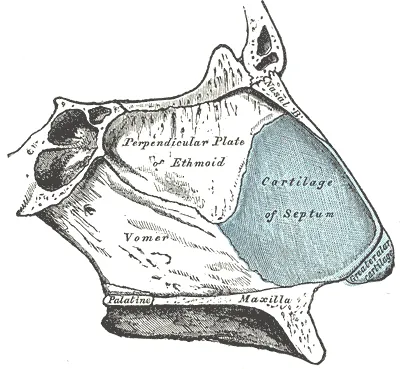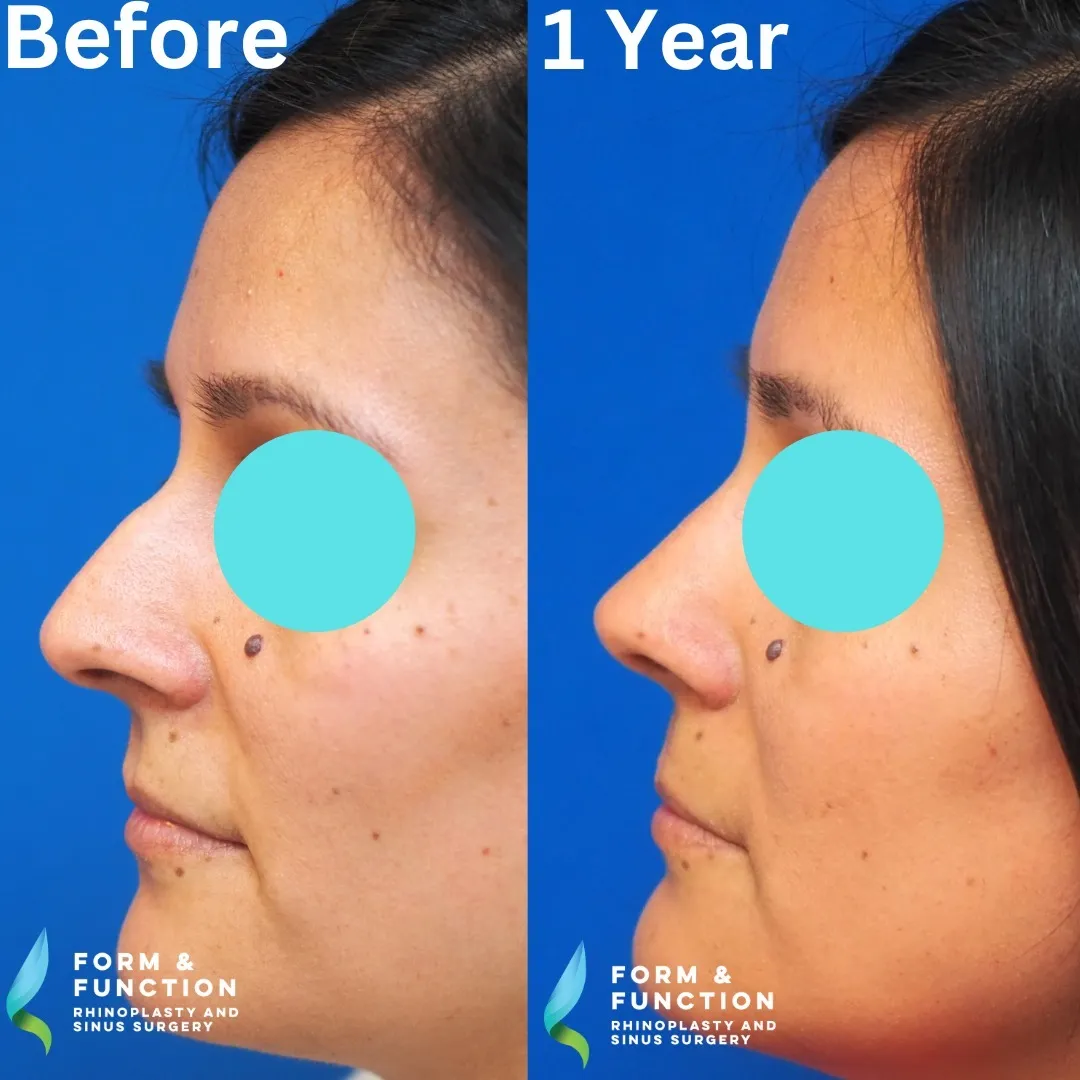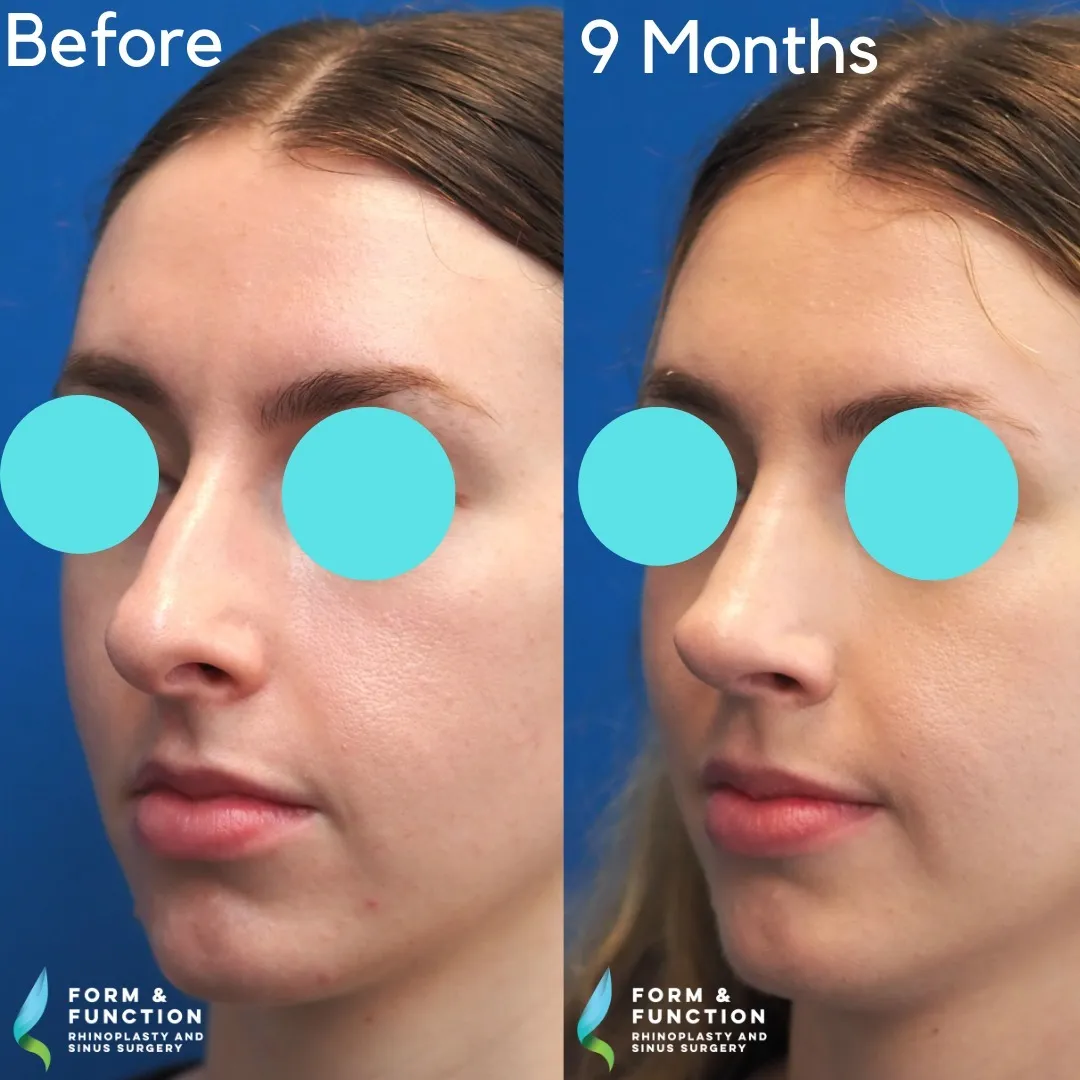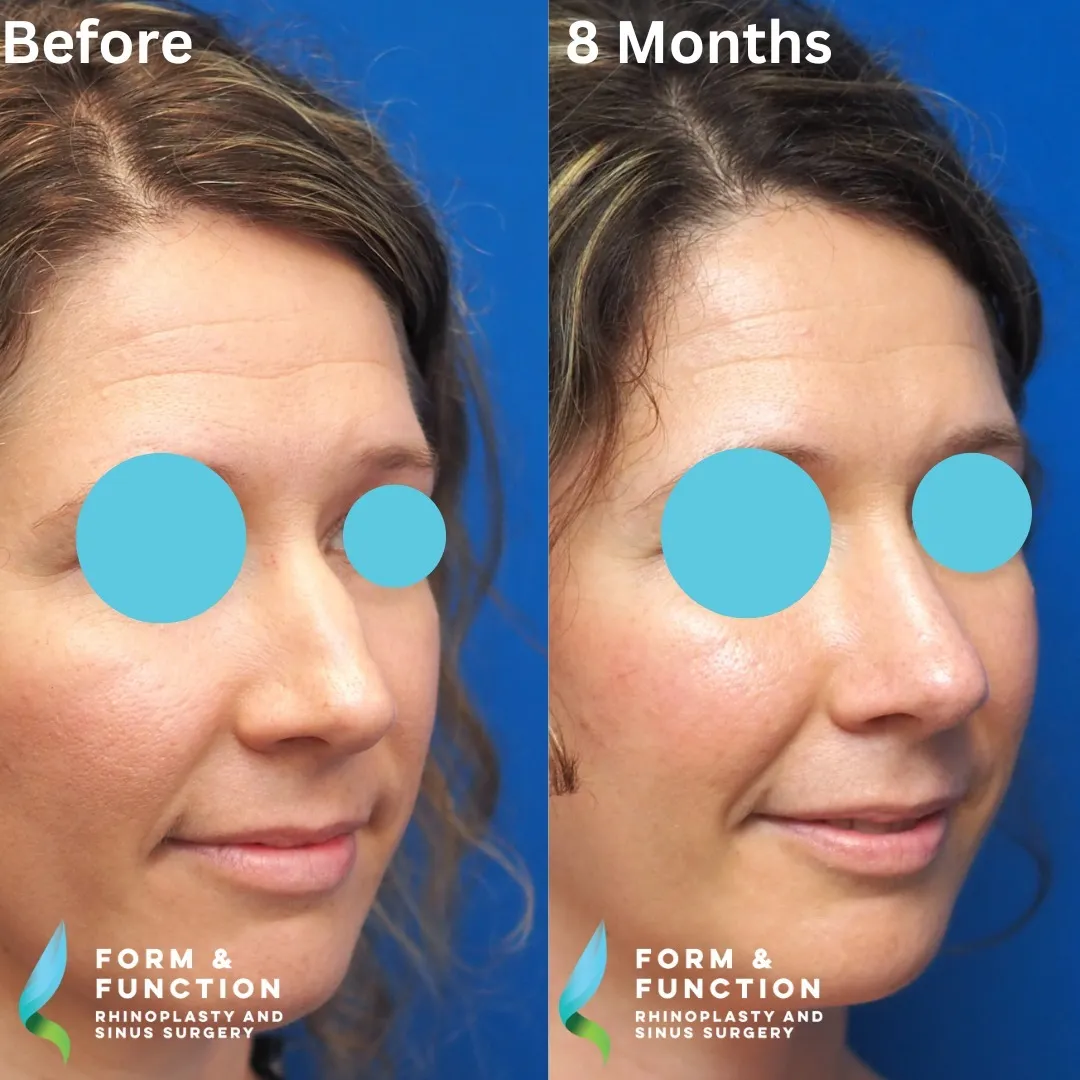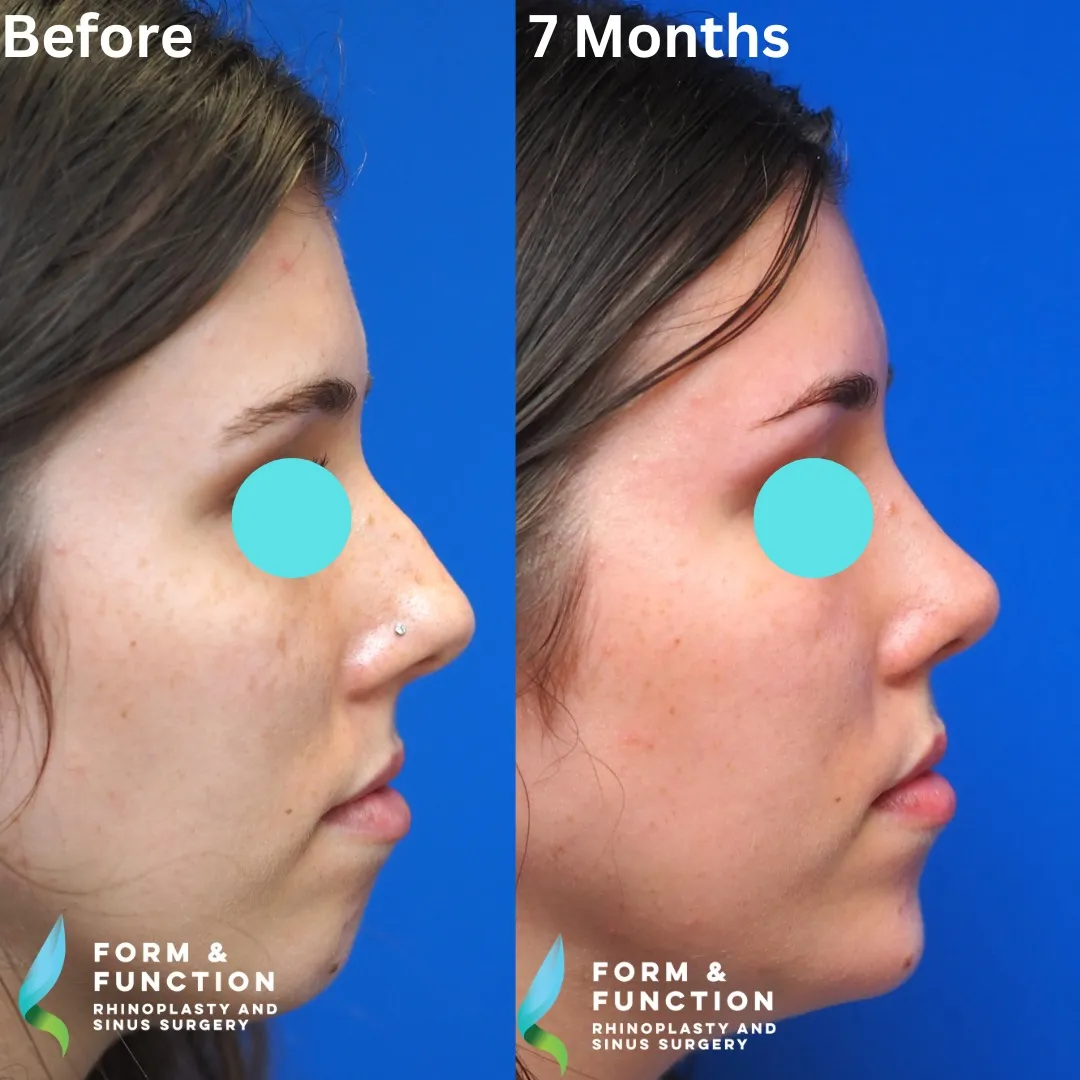
The septum is the wall of cartilage and bone dividing your nose into left and right passages. Most people’s are not perfectly straight. It matters when the deviation restricts airflow.
Septoplasty straightens the septum through incisions made entirely inside the nose. There are no external cuts, no bruising to the face, and no visible scarring.
Should you have surgery at all
A deviated septum is not dangerous. If your symptoms are manageable, it is reasonable to continue without operating, and plenty of people have a deviated septum and breathe perfectly well.
Medical management could be tried first. Intranasal steroid sprays, saline rinses, antihistamines and allergy treatment help many patients, and where they work, surgery is unnecessary.
Surgery is worth considering when symptoms persist despite that: blockage on one or both sides, mouth breathing at night, disturbed sleep, recurrent sinus infection, or a nose that has never worked properly since an old injury.
I assess the airway directly at consultation rather than relying on history alone, because where the obstruction actually sits is often not where the patient thinks it is. The septum is one of several possible causes.
Turbinate reduction
The turbinates are paired structures lining the nasal sidewalls that warm and humidify the air you breathe. When enlarged, they contribute to nasal obstruction.
Turbinate reduction reduces their size while preserving their function, and it is often performed at the same time as septoplasty. Where the septum is not significantly deviated, reducing the turbinates alone may be enough to improve airflow.
Septoplasty or septorhinoplasty
Two operations, and the distinction matters both surgically and financially.
Septoplasty straightens the septum from the inside. Nothing about the external appearance of the nose changes. It is functional surgery and attracts a Medicare item number.
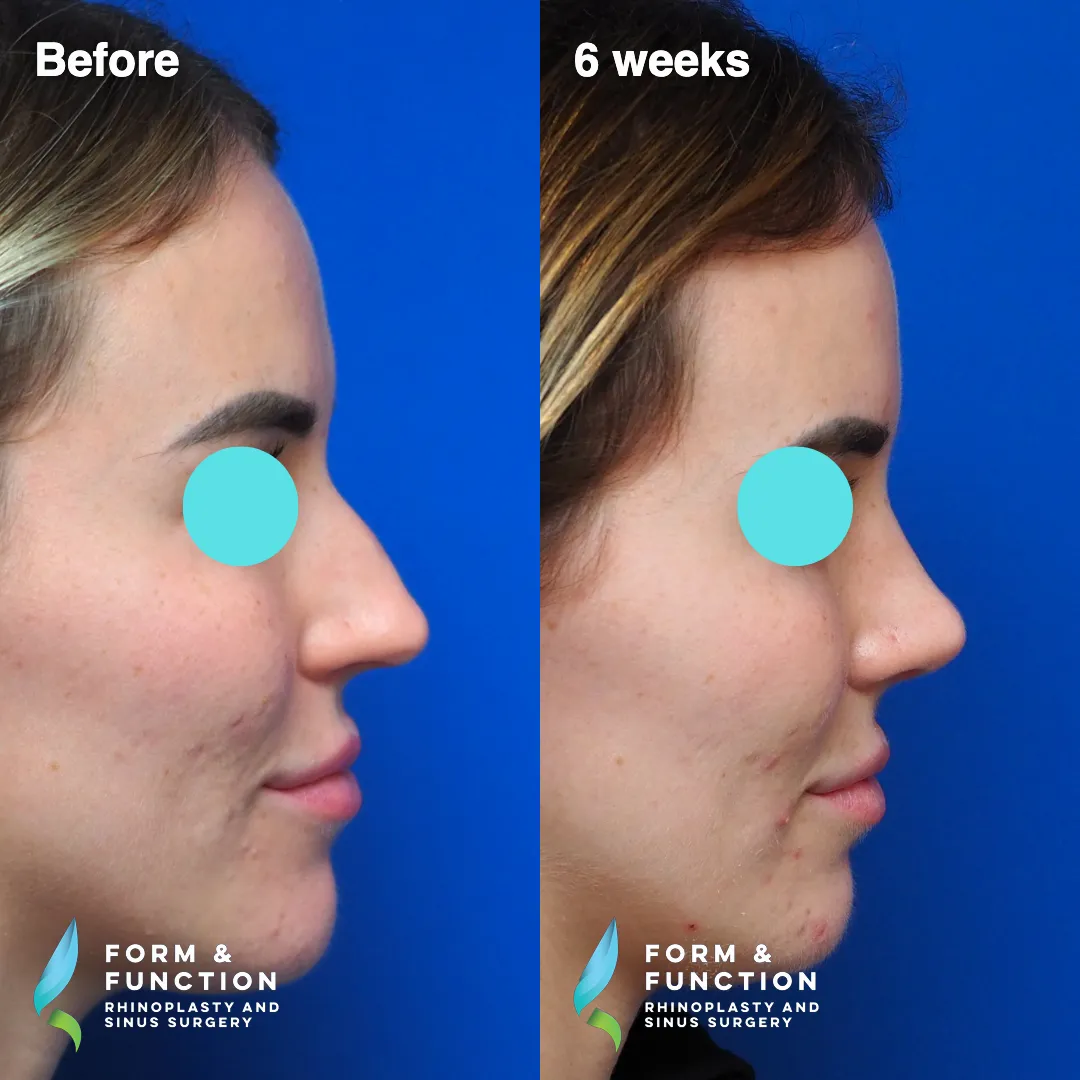
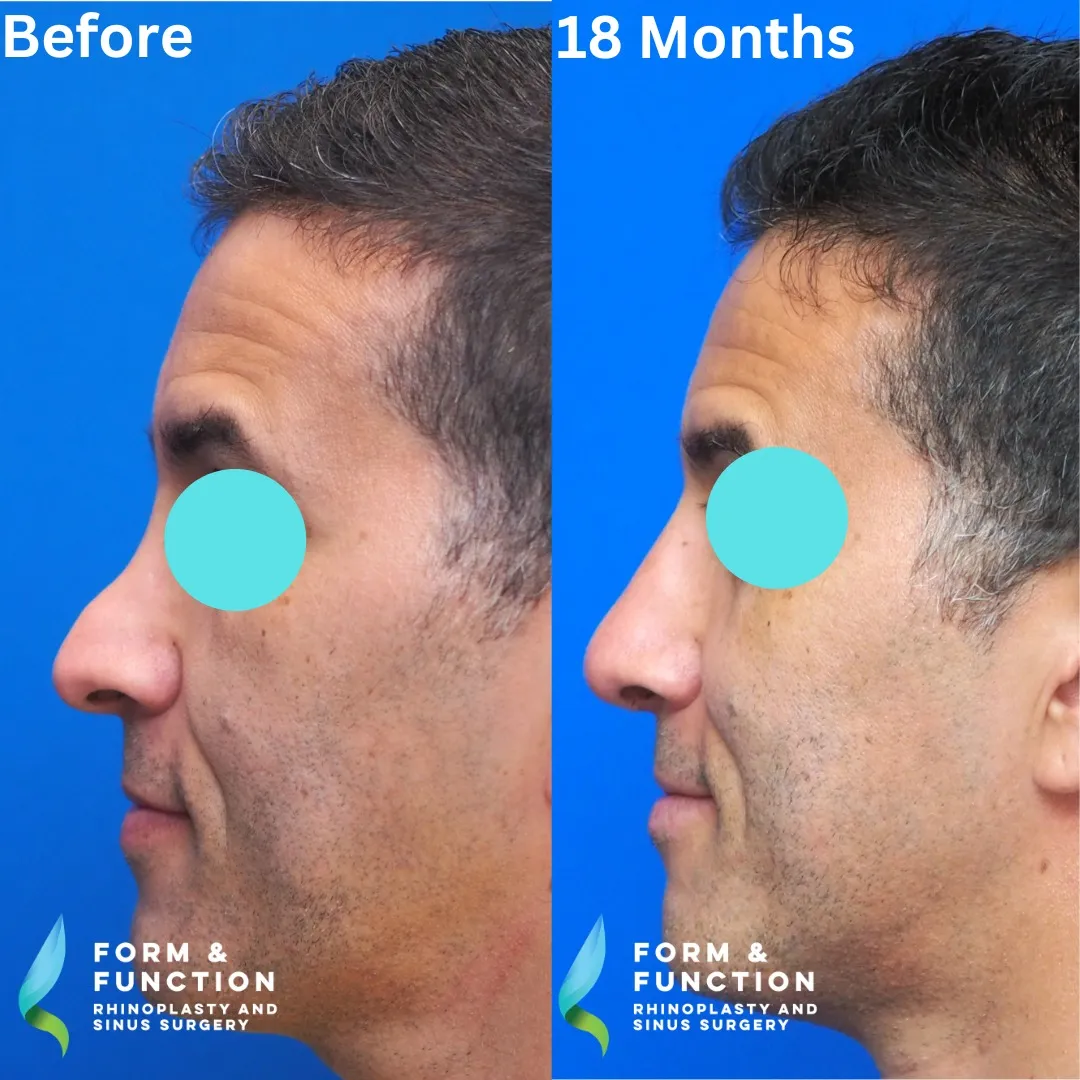
Septorhinoplasty straightens the septum and alters the external shape of the nose in the same operation. It is the right choice where the nose is externally deviated as well as internally.
Where the deviation is external as well as internal, straightening only the septum frequently disappoints. The nose still looks crooked and often still does not breathe well. More about that on the crooked nose page and the rhinoplasty page.
Septoplasty straightens the inside of the nose and does not change the shape of the outside. I assess the shape and the airway together at the same appointment, and where the outside of the nose is deviated as well I will tell you that rather than operate on the inside alone and leave you with half an answer.
The operation
The operation takes about 30 to 45 minutes under a full general anaesthetic, so you will be completely asleep. It is almost always day surgery, so you go home the same day.
Everything is done inside the nose. I make a small cut inside one nostril, carefully lift the lining away from the bent cartilage and bone, straighten it, and hold it in place with dissolving stitches. There are no cuts on the outside of your nose, no bruising on your face, and no black eyes.
At the end of the operation I place dissolvable packing inside the nose to protect the repair and help control bleeding. It dissolves on its own, so nothing needs to be removed afterwards. You will need to do regular saline rinses to help clear it as it goes.
Recovery
Days one to three. Your nose will feel very blocked, with some blood-stained discharge. That is normal. Rest at home with your head propped up. A responsible adult must stay with you for the first 24 hours, and you should not drive or drink alcohol while taking pain relief.
The first two weeks. The nose stays congested, which surprises patients who expected immediate relief. That is swelling of the lining rather than failure of the operation. Most people take ten days to two weeks off work. No nose blowing for three weeks.
Weeks three to eight. Breathing usually improves noticeably from the second or third week and keeps improving over a couple of months as the lining settles. Strenuous exercise is avoided for three to four weeks.
Saline rinses, three to four times a day, continue throughout, and they matter more than most patients expect.
Risks
Bleeding, infection, a persistent or recurrent deviation, septal perforation, changes to the sense of smell, and numbness of the front teeth or nasal tip. Most are uncommon.
Persistent symptoms despite a technically successful operation occur in a minority, usually where the septum was not the only cause of the obstruction. This is why the assessment matters more than the operation.
Full details are on my risks and side effects answers.
Next steps
You will need a referral from your GP. I consult from Westside ENT’s rooms in Indooroopilly, Springfield and Ipswich, and I see patients from across Queensland and interstate. I operate at Herston Private Hospital, Mater Private Hospital Springfield and Westside Private Hospital. If the outside of your nose is also a concern, see rhinoplasty; the symptoms and causes are covered under deviated septum.