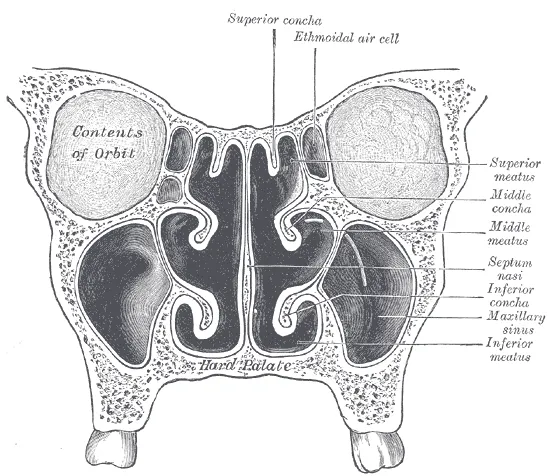
When those drainage pathways become blocked, whether by inflammation, infection, polyps or anatomy, mucus builds up. That is what causes the pressure, pain, congestion and repeated infections.
Endoscopic sinus surgery, often called FESS, opens those natural drainage pathways again.
Is sinus surgery worth it?
For the right patient, yes: when chronic sinusitis, nasal polyps or recurrent infections have not settled with properly optimised medical treatment, surgery improves drainage and reduces symptoms for most people. It is not worth it as a first step, or where the symptoms are not coming from the sinuses, and it works best as part of ongoing medical management rather than instead of it.
Chronic sinusitis is not dangerous. If your symptoms are manageable, it is reasonable to continue without operating.
Medical treatment comes first, and surgery works best when it has already been optimised. High-dose nasal steroid sprays, saline rinses, antibiotics and allergy treatment resolve the problem for many patients. I discuss an operation once that has been exhausted.
For severe nasal polyp disease, injectable biologic medications can significantly reduce polyp size, and in suitable patients they may be considered before or instead of surgery.
Surgery becomes the right option when symptoms have not responded adequately to medical treatment. The common reasons are chronic sinusitis lasting more than twelve weeks, nasal polyps, or recurrent acute sinusitis.
Sinus surgery is done for how the nose works rather than how it looks, and I do not alter the external shape of the nose during it. Where a deviated septum is also blocking the nose, a septoplasty can usually be done in the same operation. Extensive sinus surgery is generally not combined with septorhinoplasty, where the outside of the nose is also being changed; those are planned as separate operations. In my experience the commonest reason a sinus operation disappoints is that the medical treatment was never properly optimised beforehand. I will spend a consultation on that rather than operate and leave you no better off.
What the operation involves
A thin telescope is passed through your nostrils so I can see inside the nose and sinuses directly. Fine instruments remove diseased tissue, clear blockages, and open the drainage pathways so mucus can drain and air can circulate.
There are no cuts on your face. Everything is done through the nostrils, so there are no external scars and usually no bruising.
How much surgery is needed depends on which sinuses are affected and how badly. It is almost always day surgery, and occasionally a patient stays overnight.
Opening the drainage pathways also means nasal sprays and rinses reach the sinuses afterwards, which is a substantial part of why the operation works.
Recovery
The first two to three weeks. You will feel more congested rather than less, as the inside of the nose heals. This is the part that surprises people. The face can feel tender for a few weeks.
Four to six weeks. Real improvement in breathing and sinus symptoms usually arrives here.
Three to six months. The full result.
Most people take ten days to two weeks off work. Physical work needs three to four weeks. You will be given a medical certificate at your first review.
Do not blow your nose for three weeks. Saline rinses, three to four times a day, continue throughout and they matter more than most patients expect.
Will it last
Surgery significantly improves sinus drainage and reduces symptoms for most people.
But chronic sinusitis and nasal polyps can recur, particularly where the underlying allergy or inflammation is not managed. Ongoing medical management is essential to obtain the best possible long-term result.
In a smaller group, particularly patients with severe polyps, marked inflammation or a history of asthma, revision surgery may be needed at some point.
One operation does not end the problem permanently.
Cost and Medicare
Endoscopic sinus surgery is generally Medicare-eligible where the clinical criteria are met, and private health insurance covers the hospital fee, subject to your excess and any waiting periods.
There are three separate fees: the surgeon’s, the anaesthetist’s and the hospital’s. The cost varies with the complexity and extent of the surgery, so the figure is set out in a written financial consent after your consultation, showing all fees, rebates and expected out of pocket costs before you commit to anything.
Risks
Bleeding, infection, and recurrence of symptoms. Less commonly, changes to the sense of smell, and rarely, injury to the structures around the sinuses, since the eye and the base of the skull sit immediately adjacent.
Every operation carries risk and I will discuss the likelihood in your particular case before you decide.
Seek urgent review if you have heavy bleeding that will not stop with pressure, sudden severe headache or a stiff neck, changes in vision or swelling around the eye, or a high fever with worsening facial pain. Call 000 or go to your nearest emergency department.
Next steps
You will need a referral from your GP. I consult from Westside ENT’s rooms in Indooroopilly, Springfield and Ipswich, and I operate at Herston Private Hospital, Mater Private Hospital Springfield and Westside Private Hospital. If your nose is also blocked by a bent septum, see septoplasty.