


The Role of Technology in Modern Rhinoplasty
The integration of technology into rhinoplasty has revolutionised the field, offering new possibilities for precision, patient engagement, and overall surgical success. As technology continues to advance, the synergy between these innovations is likely to shape the future of rhinoplasty, providing surgeons with a comprehensive toolkit for achieving optimal aesthetic and functional outcomes.
3D Imaging and Simulation
3D imaging has become a transformative tool in the field of rhinoplasty, revolutionising the way surgeons plan, communicate, and execute nasal surgeries. This advanced imaging technology provides a three-dimensional view of a patient’s facial features, allowing for more accurate preoperative assessments and enhanced communication between the surgeon and the patient.
- Preoperative Assessment: Surgeons can create a detailed three-dimensional model of the patient’s face, allowing for a comprehensive analysis of nasal anatomy and surrounding structures. This aids in identifying specific concerns, such as asymmetries, deviations, or irregularities, which may not be as apparent in traditional two-dimensional imaging.
- Virtual Simulation: 3D imaging enables virtual simulation of potential surgical outcomes. Surgeons can digitally manipulate the 3D model to demonstrate different changes to the nose, helping patients visualise how their appearance might change postoperatively.
- Personalised Treatment Plans: The detailed information provided by 3D imaging allows surgeons to create personalised treatment plans for each patient. With a precise understanding of the patient’s unique nasal anatomy, surgeons can develop strategies to address specific concerns, whether they involve reshaping the nasal bridge, refining the nasal tip, or correcting asymmetries.
Ultrasonic Technology
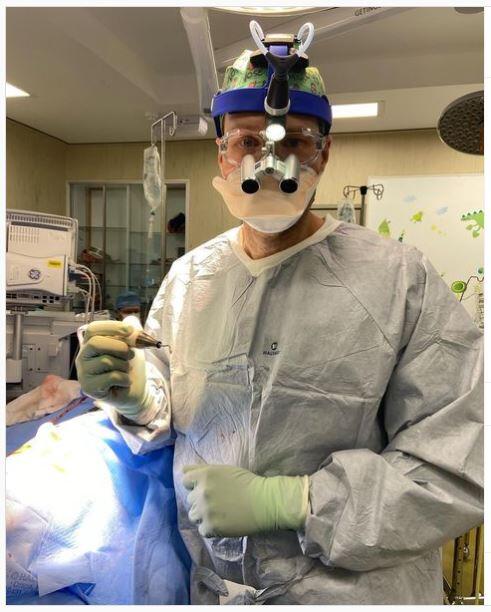
Ultrasonic rhinoplasty is another technological advancement in the field of rhinoplasty surgery. This technique involves the use of ultrasonic instruments to perform certain aspects of the procedure, providing surgeons with increased precision and control during the surgery.
- Precision in Surgery: Ultrasonic rhinoplasty utilises ultrasonic vibrations to precisely sculpt and shape the bone and cartilage structures of the nose. Traditional rhinoplasty techniques often involve manual cutting with scalpels and osteotomes, however, ultrasonic instruments use controlled ultrasonic energy to break down bone in a more controlled and precise manner, allowing for more accurate modifications.
- Reduced Tissue Trauma: This technology allows surgeons to target specific areas without causing unnecessary damage to surrounding tissues, which is important for maintaining the natural functionality of the nose. This can lead to less post-operative swelling and bruising, potentially resulting in a quicker and more comfortable recovery.
- Improved Nasal Contouring: The precise nature of ultrasonic rhinoplasty enables surgeons to achieve finer and more detailed modifications to the nasal structures. This is particularly beneficial when refining nasal tips, addressing asymmetry, or making subtle adjustments to the overall contour of the nose.
For information about Dr Chris Oosthuizen’s rhinoplasty approaches at Form and Function, contact the practice and schedule an appointment.