Posted by Chris Oosthuizen in Rhinoplasty, Septal Deviation on March 10th, 2025

Breathing is something most of us take for granted—until it becomes a struggle. At the heart of our nasal passage lies the nasal septum, the thin wall of cartilage and bone that separates the left and right nostrils. In an ideal situation, this wall is straight, allowing air to flow evenly through both sides of the nose. However, for many people, the septum is off-centre or crooked, a condition known as a deviated septum.
This common condition can lead to a range of symptoms, impacting quality of life and even overall health. If you’ve been experiencing persistent nasal issues, understanding the signs of a deviated septum and when to consider septoplasty could be the key to breathing easier.
What is a Deviated Septum?
A deviated septum occurs when the nasal septum is displaced to one side, creating an imbalance in airflow through the nostrils. While many people have minor deviations without symptoms, a significant misalignment can cause noticeable and chronic issues. A deviated septum is surprisingly common with an estimated 80% of people having some degree of deviation, though not all experience symptoms. For those who do, understanding the signs can help in seeking timely treatment.
Signs and Symptoms of a Deviated Septum
A deviated septum can manifest in a variety of ways. If you recognise any of these signs, it may be time to consult Dr Chris Oosthuizen.
Difficulty Breathing Through One or Both Nostrils
A key indicator of a deviated septum is persistent difficulty breathing. The misaligned septum can obstruct airflow, making it harder to breathe through one or both nostrils, especially during physical activity or sleep.
Frequent Nasal Congestion or Obstruction
Chronic nasal congestion, often mistaken for allergies or colds, is another common symptom. The blockage caused by the deviated septum can result in a feeling of stuffiness or fullness in the nose.
Recurrent Sinus Infections
When airflow is restricted, mucus drainage can be impaired, creating an environment where sinus infections thrive. Frequent sinus infections may be linked to the structural issues caused by a deviated septum.
Nosebleeds
A deviated septum can cause dryness and irritation in the nasal passages, leading to frequent nosebleeds.
Snoring or Sleep Apnoea Symptoms
Nasal obstructions from a deviated septum can contribute to snoring or even sleep apnoea. These sleep disruptions not only affect the individual, but can also impact their partner’s quality of rest.
Facial Pain or Pressure
In some cases, a deviated septum can cause pain or pressure around the nasal area, particularly if it contributes to sinus problems.
Sleeping Preferences
If you consistently sleep on one side to improve nasal breathing, it may be due to a deviated septum. This preference often stems from the need to alleviate the obstruction in one nostril.
How a Deviated Septum Impacts Quality of Life
Untreated, the signs of a deviated septum can significantly affect daily activities, sleep quality, and overall health:
Addressing these issues can lead to significant improvement in comfort, health, and wellbeing.
When to Consider Septoplasty
While conservative treatments like nasal spray, antihistamines, or decongestants may provide temporary relief, they do not address the root cause of a deviated septum. You may want to consider septoplasty, a surgical procedure to correct the alignment of the nasal septum, if:
Benefits of Septoplasty
Septoplasty is a highly effective procedure for individuals whose lives are affected by a deviated septum. Key benefits of septoplasty include:
What to Expect from Septoplasty
Septoplasty is typically performed as an outpatient procedure under general or local anaesthesia. During the surgery, Dr Oosthuizen will reposition or remove the deviated portions of the septum to create a straighter nasal passage.
Septoplasty Recovery:
To ensure the best outcome, consult a qualified ENT specialist like Dr Chris Oosthuizen at Form and Function who can evaluate your condition and provide personalised advice.
Living with the symptoms of a deviated septum doesn’t have to be a normal part of your life. If you’ve been experiencing persistent nasal issues or suspect a deviated septum, seeking a professional evaluation can be life-changing.
Dr Chris Oosthuizen is dedicated to improving your health, comfort, and quality of life. Schedule a consultation today to discuss your symptoms, explore your options, and take the first step towards better breathing.
Posted by Chris Oosthuizen in Deviated Nose, Rhinoplasty, Septal Deviation on December 5th, 2023
By Dr Chris Oosthuizen, ENT Surgeon from Brisbane, Australia
The nose, often referred to as the “centrepiece of the face”, plays a crucial role in both form and function. A deviated nose and septum can not only affect one’s appearance but also lead to significant breathing difficulties and discomfort.
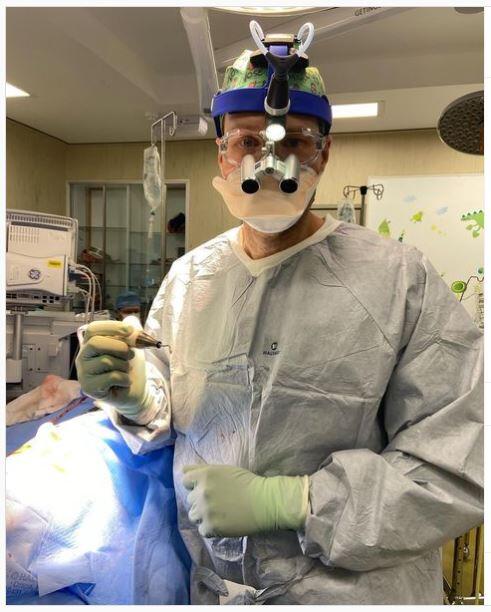
Dr Chris Oosthuizen, a renowned, highly-skilled ENT surgeon from Brisbane, Australia, harmoniously blends aesthetic principles with functional outcomes when repairing a deviated nose and septum.
This article explores the importance of addressing both form and function in nasal reconstruction. With strong expertise and a commitment to comprehensive care, Dr Oosthuizen achieves optimal results for his facial plastic surgery patients in Brisbane, Australia.
Understanding Deviated Nose and Septum
A deviated nose occurs when the nasal structure, including the bones and or cartilage, is asymmetrically displaced from its natural position, resulting in an uneven or crooked appearance.
In many cases, a deviated nose is accompanied by a deviated septum. The septum is a wall of cartilage and bone that separates the two nasal passages, and when deviated, it can obstruct airflow and cause breathing difficulties.
The Impact of Form on Self-Perception
The appearance of the nose plays a significant role in how individuals perceive themselves. A deviated nose can lead to self-consciousness, reduced self-esteem, and psychological distress.
Dr Chris Oosthuizen understands the importance of addressing patients’ aesthetic concerns and works closely with each individual to develop a personalised treatment plan that addresses both functional and cosmetic aspects.
The Importance of Function for Quality of Life
Beyond aesthetics, the function of the nose is crucial for an individual’s overall quality of life. A deviated septum can cause nasal obstruction, leading to breathing difficulties, chronic congestion and obstruction, snoring, and sleep disturbances.
Dr Oosthuizen’s comprehensive approach to nasal reconstruction ensures that optimal function is restored, allowing patients to breathe more freely and comfortably.
Form and Function: A Harmonious Approach
Dr Chris Oosthuizen’s approach to repairing a deviated nose and septum exemplifies the importance of balancing form and function. He recognises that successful nasal surgery not only corrects the external appearance of the nose but also addresses the internal structural abnormalities that may be causing functional issues.
The Role of Rhinoplasty in Nasal Reconstruction
Rhinoplasty, a surgical procedure aimed at reshaping the nose, plays a crucial role in repairing a deviated nose.
Dr Oosthuizen employs his precise, artistic skills and surgical expertise to achieve a balanced and aesthetically pleasing result. Whether correcting a visible hump, refining the nasal tip, or straightening the nasal bridge, Dr Oosthuizen carefully plans each step to enhance overall facial harmony while preserving or improving nasal function.
Septoplasty for Functional Improvement
In cases where the deviated septum causes breathing difficulties, Dr Oosthuizen may recommend septoplasty combined with Rhinoplasty surgery. This surgical procedure involves straightening and repositioning the septum to improve airflow and alleviate nasal obstruction.
By combining rhinoplasty with septoplasty, Dr Oosthuizen ensures that both the form and function of the nose are addressed simultaneously, leading to a comprehensive and transformative outcome.
Advanced Techniques for Superior Results
Dr Chris Oosthuizen stays at the forefront of medical advancements and employs state-of-the-art techniques to achieve superior results for his patients. As part of the functional assessment of the nose, a video endoscope is used to visualise the entire nasal cavity. This often identifies other potential causes for nasal obstruction that may otherwise be missed. He utilises 3D imaging technology to aid in the discussion regarding any potential changes to the appearance of the nose and to help plan the surgical approach with precision. During the operation, he now uses Ultrasonic Rhinoplasty to reshape and move the nasal bones to the desired position. This technique is more precise and associated with less swelling and bruising following surgery.
This personalised approach allows for a deeper understanding of each patient’s unique nasal anatomy, ensuring that the surgical plan is tailored to their specific needs.
Emphasis on Patient-Centred Care
As an ENT surgeon with a focus on Rhinoplasty surgery, Dr Chris Oosthuizen prioritises patient-centred care. He takes the time to thoroughly understand each patient’s goals, concerns, and medical history.
Passionate about patient-centred care, Dr Oosthuizen creates individualised treatment plans that align with patient expectations and ensure the best possible outcomes.
In the hands of Dr Chris Oosthuizen, a highly skilled ENT surgeon from Brisbane, Australia, your deviated nose and septum reconstruction becomes an art that balances form with function. His expertise in rhinoplasty and septoplasty, combined with a patient-centred approach, ensures that each patient receives personalised care and achieves their desired aesthetic and functional outcomes.
Dr Oosthuizen’s commitment to excellence and passion for enhancing the lives of his patients make him a trusted authority in the field of nasal surgery.


