Posted by Chris Oosthuizen in Aesthetic Surgery, Rhinoplasty on October 8th, 2024
Dr Chris Oosthuizen, a renowned Otolaryngologist (Ear, Nose and Throat Surgeon), has expanded his practice, Form and Function, to Indooroopilly, Brisbane. This new location brings his extensive expertise in Septoplasty, Sinus Surgery, and Ultrasonic Rhinoplasty closer to patients in the region.

A Surgeon Who Understands Both Form and Function
Rhinoplasty, commonly known as a nose job, is often associated with cosmetic enhancements. However, for Dr Oosthuizen, the procedure goes beyond aesthetics. His approach integrates the principles of functional and cosmetic surgery, ensuring that patients not only achieve their desired appearance but also maintain or improve the functionality of their noses.
Dr Oosthuizen’s dual focus on form and function sets him apart in the field of rhinoplasty. Many patients seek his expertise to correct breathing issues, resolve chronic sinus problems, or repair damage from injury—all while achieving a natural-looking nose that complements their facial features. This holistic approach ensures that each patient receives personalised care tailored to their unique needs.
What Sets Dr Oosthuizen Apart?
Dr Oosthuizen’s reputation is built on his meticulous surgical technique, commitment to patient care, and dedication to staying at the forefront of medical advancements. His expertise in rhinoplasty encompasses a range of procedures, each designed to address specific nasal concerns:
The Benefits of Choosing a Specialist Like Dr Oosthuizen
When it comes to rhinoplasty and other nasal surgeries, the choice of surgeon is critical. Dr Oosthuizen’s specialised training and experience allow him to perform complex procedures with a high degree of accuracy and safety. Here are some of the benefits of choosing Dr. Oosthuizen for your rhinoplasty or nasal surgery:
A New Location in Indooroopilly, Brisbane
The expansion of Form and Function to Indooroopilly is a significant milestone for Dr Oosthuizen and his team. This new location is strategically chosen to provide easier access to specialised nasal care for patients across Brisbane and the surrounding areas. Located in a vibrant suburb, the Indooroopilly clinic is equipped with the latest medical technology, ensuring that patients receive the highest standard of care in a comfortable and modern environment.
Patients visiting the Indooroopilly clinic can expect the same exceptional care that Dr Oosthuizen is known for. The clinic offers a welcoming atmosphere where patients are treated with respect and compassion. From the initial consultation to post-operative follow-ups, the team at Form and Function is dedicated to making every step of the patient journey as smooth and stress-free as possible.
What to Expect During Your Consultation
If you’re considering rhinoplasty or other nasal surgery with Dr Oosthuizen, the first step is a comprehensive consultation. During this initial meeting, Dr Oosthuizen will conduct a thorough evaluation of your nasal structure and discuss your medical history, concerns, and goals. He will explain the potential surgical options, including the benefits and risks, to help you make an informed decision.
Dr Oosthuizen’s approach to consultation is collaborative. He encourages patients to ask questions and express their expectations openly. By understanding your unique needs and desires, he can tailor the surgical plan to achieve the best possible results.
A Commitment to Excellence in Rhinoplasty
Dr Chris Oosthuizen’s commitment to excellence in form and function has earned him a reputation as one of Brisbane’s leading rhinoplasty surgeons. His expertise, combined with a genuine dedication to patient care, ensures that each patient receives the highest level of surgical precision and aesthetic finesse.
With the opening of his new clinic in Indooroopilly, more Brisbane residents can now benefit from his specialised care. Whether you’re seeking to improve your breathing, resolve chronic sinus issues, or enhance the appearance of your nose, Dr Oosthuizen and his team at Form and Function are here to help you achieve your goals.
For those looking to embark on a rhinoplasty journey that prioritises beauty and functionality, Dr Chris Oosthuizen is the specialist you can trust.
Posted by Chris Oosthuizen in Aesthetic Surgery, Rhinoplasty on May 22nd, 2024
Unlocking the Key to Nasal Transformation
In the pursuit of nasal refinement, the decision to undergo rhinoplasty marks a transformative chapter in one’s aesthetic journey. As individuals contemplate this significant step, arming themselves with knowledge becomes paramount, ensuring informed decisions and optimal outcomes.
Enter Dr Chris Oosthuizen, a distinguished Rhinoplasty Surgeon at Form and Function, Brisbane’s premier destination for nasal aesthetics. With his expertise and dedication to patient-centred care, Dr Oosthuizen illuminates the path forward, unveiling ten essential questions to ask your plastic surgeon before embarking on the journey of nasal transformation.
1. What Are Your Qualifications and Experience in Rhinoplasty Surgery?
Begin your consultation by delving into your surgeon’s credentials and expertise in rhinoplasty. Inquire about their training, board certifications, and years of experience specifically in nasal surgery. Dr Oosthuizen’s extensive background and specialisation in rhinoplasty instil confidence, laying the foundation for a successful partnership in your aesthetic journey.
2. Can I See Before and After Photos of Previous Rhinoplasty Patients?
Visual evidence speaks volumes in assessing a surgeon’s skill and artistic vision. Request to view a comprehensive portfolio of before and after photos showcasing Dr Oosthuizen’s transformative work, allowing you to gauge the aesthetic outcomes and align expectations for your own rhinoplasty journey.
3. What Is Your Approach to Rhinoplasty, and Can You Customize the Procedure to My Unique Needs?
Every nose tells a unique story, requiring a tailored approach to achieve harmonious results. Dr. Oosthuizen’s commitment to personalised care shines as he discusses his approach to rhinoplasty, emphasising the importance of customising the procedure to your individual anatomy and aesthetic goals.
4. What Are the Risks and Complications Associated with Rhinoplasty?
An informed patient is an empowered patient. Engage in a candid discussion with Dr Oosthuizen about the potential risks and complications of rhinoplasty, from anaesthesia-related concerns to post-operative swelling and asymmetry. Understanding these factors enables you to make educated decisions and mitigate potential challenges along the way.
5. What Can I Expect During the Recovery Process, and How Can I Optimise Healing?
The road to rhinoplasty recovery entails patience and diligence, requiring a clear understanding of the post-operative journey. Seek guidance from Dr Oosthuizen on what to expect during the recovery process, including timelines for swelling resolution, activity restrictions, and strategies to optimise healing for optimal results.
6. Are There Non-Surgical Alternatives to Achieve My Desired Nasal Aesthetic?
In some cases, non-surgical options may offer a viable alternative to traditional rhinoplasty, catering to patients with specific aesthetic concerns or minimal downtime preferences. Explore with Dr Oosthuizen the availability of non-invasive techniques such as dermal fillers or nasal reshaping procedures, assessing their suitability for your individual needs.
7. What Are Your Policies Regarding Revision Rhinoplasty, and What Is the Success Rate of Your Revision Cases?
In the realm of rhinoplasty, revision surgery may become necessary to address residual aesthetic concerns or functional issues following prior procedures. Inquire about Dr Oosthuizen’s policies regarding revision rhinoplasty, including his approach to corrective surgery and the success rate of his revision cases, providing reassurance and peace of mind for patients navigating complex nasal revisions.
8. Can You Provide References or Patient Testimonials to Validate Your Expertise?
The voice of experience speaks volumes in affirming a surgeon’s skill and patient satisfaction. Request references or patient testimonials from Dr Oosthuizen’s previous rhinoplasty patients, offering firsthand insights into their experiences and outcomes under his care.
9. How Do You Communicate and Collaborate with Patients Throughout the Rhinoplasty Journey?
Effective communication forms the cornerstone of a successful patient-surgeon relationship, fostering trust and collaboration throughout the rhinoplasty journey. Discuss with Dr Oosthuizen his communication protocols, from pre-operative consultations to post-operative follow-ups, ensuring a seamless and supportive experience at every step.
10. What Sets Your Practice Apart in the Realm of Rhinoplasty Surgery?
In a landscape brimming with options, discerning patients seek a surgeon whose values, expertise, and artistic vision align with their aspirations. Inquire about Dr Oosthuizen’s unique approach and the distinguishing factors that set Form and Function apart as a premier destination for rhinoplasty surgery in Brisbane, empowering you to make an informed choice in your quest for nasal transformation.
In the tapestry of rhinoplasty, knowledge emerges as the linchpin of empowerment, guiding patients towards informed decisions and transformative outcomes. Armed with these ten essential questions, individuals embarking on the journey of nasal refinement find solace and clarity in the expertise of Dr Chris Oosthuizen, a beacon of excellence in the realm of rhinoplasty surgery at Form and Function.
Posted by Chris Oosthuizen in Rhinoplasty, Uncategorized on May 22nd, 2024
Rhinoplasty, or a nose job, is one of the most common and popular facial surgeries to be performed, so it’s no surprise that there are several myths floating around about the procedure.
The common theory is that a nose job is purely a cosmetic procedure, however, that’s not the case. rhinoplasty is also highly beneficial for relieving breathing difficulties, leading to improved physical performance and sleep.
Let’s have a look at eight of the most common rhinoplasty myths!
#1 Rhinoplasty is Only for Women
All surgeries, including facial surgeries, are available to all genders. Although cosmetic surgeries are more common in females, new statistics show that 29% of men choose to get rhinoplasty either for aesthetic or medical purposes, while women prefer surgeries to improve other assets, like breast surgeries or liposuction.
#2 The Procedure Is Painful
While you may experience slight pain or discomfort during the healing process, you won’t feel anything during the procedure as you will be under full general aesthetic.
#3 Your Nose Will Look Fake Afterwards
Your nose is one of your most noticeable features, so it’s natural to feel worried about the appearance of your nose being, well, unnatural. However, as long as you choose a surgeon who is passionate about their craft, the end result will look as natural as possible.
Dr Oosthuizen takes into consideration the other proportions and features of your face to ensure a balanced result that appears as natural as possible. He aims to achieve a beautiful nose that blends and fits with the rest of the facial features.
#4 You Will Have Long-Term Breathing Issues
Alongside cosmetic reasons, rhinoplasty can also be performed for medical purposes to relieve breathing difficulties, so there is no reason for the surgery to cause long-term breathing issues. If anything, it’s the opposite: Rhinoplasty can create long-term breathing success!
#5 You Can Get a Celebrity’s Nose
It is nearly impossible to replicate the nose of another person as each person’s nasal and facial structure is different and unique to that person. When performing rhinoplasty, your plastic surgeon aims to ensure your new nose matches the facial features and proportions of your face. If they were to try and replicate someone else’s nose, there is a big chance that it would not blend naturally into the rest of your facial features.
During your consultation, your surgeon will take you through the steps of the procedure and digitally show you how your new nose will look.
#6 Rhinoplasty Needs to Be Repeated at Some Point
Although most facial cosmetic procedures are temporary and require occasional touch ups, rhinoplasty provides permanent results that should last a lifetime. However, a second rhinoplasty may be required if the recovery guidelines were not followed or if for whatever reason the procedure was not performed accurately, however this is extremely rare.
It is also important to understand that rhinoplasty surgery cannot stop the nose from aging naturally.
#7 Your Nose Will Have Visible Scarring
It’s important to understand that with any surgical procedure, there will be noticeable scarring afterwards. However, these scars are not permanently visible.
Immediately after surgery, your scars will already be quite discreet and if necessary, you should be able to easily conceal these with makeup. Once the entire healing process is complete, your scars will be almost invisible.
#8 Rhinoplasty Can Be Done by Any Plastic Surgeon
This myth is technically true, although it is not ideal. Any plastic surgeon has the medical qualifications to perform a rhinoplasty, however, specialist plastic surgeons and ENTs undertake extensive study in facial anatomy and bone structure that make them capable of successfully performing nose reshaping surgery. Rhinoplasty is widely considered to be one of the most technically challenging procedures to perform.
When selecting a surgeon for your rhinoplasty, choose a qualified specialist plastic surgeon or ENT who has plenty of experience performing nose jobs. A fully qualified and certified specialist surgeon in Australia should be a Fellow of the Royal Australasian College of Surgeons (FRACS). Ensure your chosen surgeon has a visual gallery of before and after photos as well as photos throughout the healing process to demonstrate how swelling and scarring will subside over time. Dr Oosthuizen has some before and after images available on his website for perusal, but you can ask to see more during your consultation.
Dr Oosthuizen is committed to improving his patient’s quality of life by prioritising both nasal form and function during his rhinoplasty procedures. Contact us today to schedule your consultation.
Posted by Chris Oosthuizen in Rhinoplasty on May 22nd, 2024
Practical advice for patients on how to manage the recovery process, including post-operative care and timeline expectations
Undergoing rhinoplasty, commonly known as a nose job, can be a transformative and empowering experience. Whether you opted for the surgery to correct breathing issues, enhance your appearance, or address a congenital condition, the recovery process is a crucial phase in achieving the desired results. Understanding what to expect during the recovery period and following the recommended guidelines can significantly contribute to a smoother healing process.
Post-Operative Care
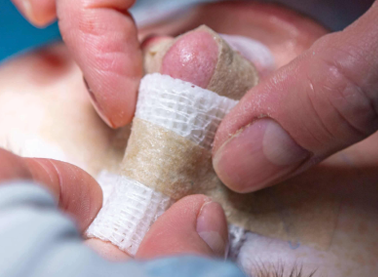
Immediately after rhinoplasty, your nose will be covered with a splint or cast, and you may experience some swelling and bruising. It’s essential to follow your surgeon’s instructions regarding aftercare. Keep your head elevated to minimise swelling, and avoid any strenuous activities that may jeopardise the healing process.
Managing Pain and Discomfort
Pain and discomfort are common after rhinoplasty. Your surgeon will likely prescribe medications to help alleviate any post-operative pain. Make sure to take the medication as directed and avoid aspirin-based products, as they can increase the risk of bleeding.
Swelling and Bruising
After a rhinoplasty, it’s normal for some swelling and bruising to appear around the nose and eyes, which will most likely be at its worst between two to three days after surgery. To minimise these effects, sleep with your head elevated and apply cold compresses to the affected areas. Follow your surgeon’s recommendations on how long to continue using cold compresses and when it’s appropriate to transition to warm compresses.
Cleaning and General Care
The first few days after surgery will most likely bring some congestion and stuffiness to the nose. Dissolvable dressings may be used during the operation, and you will be encouraged to use a nasal wash to safely clear these from the nasal area.
Dr Oosthuizen will also provide you with detailed instructions on how to care for your nose post-surgery to ensure the best outcome after the operation.
Rest and Relaxation
Allowing your body to rest and recover is crucial. Take time off work or school to ensure you’re not exerting yourself physically or mentally. Avoid activities that could potentially impact your nose, such as bending or lifting heavy objects.
Healthy Nutrition
Eating a balanced and nutritious diet can play a vital role in the healing process. Foods rich in vitamins and minerals can promote tissue healing and reduce inflammation. Stay hydrated and avoid excessive salt intake, as it can contribute to increased swelling.
Post-operative care is an essential phase in ensuring the success of any surgical procedure. Dr Chris Oosthuizen emphasises the importance of diligent and personalised care to optimise your recovery and minimise complications.
By following the guidelines provided and staying in close communication with Dr Oosthuizen and his healthcare team, patients can pave the way for a smooth and speedy recovery.
Your health is our priority, so let’s work together to achieve the best possible outcomes. Schedule your follow-up appointments and adhere to the post-operative instructions diligently.
Posted by Chris Oosthuizen in Aesthetic Surgery, Deviated Nose M, Rhinoplasty on May 22nd, 2024
The integration of technology into rhinoplasty has revolutionised the field, offering new possibilities for precision, patient engagement, and overall surgical success. As technology continues to advance, the synergy between these innovations is likely to shape the future of rhinoplasty, providing surgeons with a comprehensive toolkit for achieving optimal aesthetic and functional outcomes.
3D Imaging and Simulation
3D imaging has become a transformative tool in the field of rhinoplasty, revolutionising the way surgeons plan, communicate, and execute nasal surgeries. This advanced imaging technology provides a three-dimensional view of a patient’s facial features, allowing for more accurate preoperative assessments and enhanced communication between the surgeon and the patient.
Ultrasonic Technology
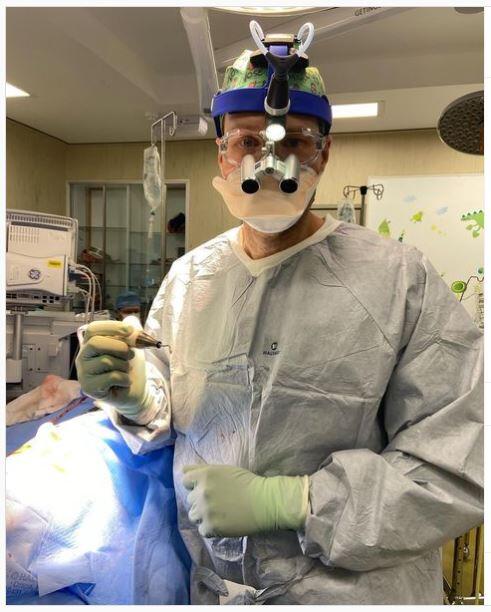
Ultrasonic rhinoplasty is another technological advancement in the field of rhinoplasty surgery. This technique involves the use of ultrasonic instruments to perform certain aspects of the procedure, providing surgeons with increased precision and control during the surgery.
For information about Dr Chris Oosthuizen’s rhinoplasty approaches at Form and Function, contact the practice and schedule an appointment.
Posted by Chris Oosthuizen in Rhinoplasty on May 22nd, 2024
Rhinoplasty, commonly referred to as a “nose job,” is often associated with cosmetic enhancements. However, there’s a lesser-known side of rhinoplasty that goes beyond aesthetics. In Australia, Dr Chris Oosthuizen’s practice places a strong emphasis on both form and function when it comes to rhinoplasty. In this article, we’ll explore how rhinoplasty can be a life-changing procedure for individuals dealing with medical issues arising from trauma and congenital conditions.
Understanding the Dual Purpose of Rhinoplasty
When most people think of rhinoplasty, they envision a procedure performed to enhance the appearance of the nose. While this is undoubtedly one aspect of rhinoplasty, it’s important to recognise that this surgery can also be instrumental in addressing medical issues.
Dr Chris Oosthuizen and his team specialise in rhinoplasty which combines aesthetic refinement with functional improvements.
Rhinoplasty for Trauma-Induced Conditions
Trauma to the nose, often due to accidents or sports injuries, can result in various problems. These issues can affect both form and function.
Rhinoplasty can help correct issues such as:
Deviated Septum: Trauma can displace the septum, the wall that separates the nostrils. This can lead to breathing difficulties and contribute to snoring and sleep apnoea.
Nasal Fractures: Broken noses, if not corrected, can lead to noticeable deformities, affecting both appearance and breathing.
Hematoma and Septal Perforation: Trauma can cause blood clots (hematoma) and perforations in the septum.
These issues can be addressed through surgery to restore function and prevent infection.
Rhinoplasty for Congenital Conditions
Congenital conditions can affect nasal form and function right from birth. Dr Oosthuizen’s practice understands the unique needs of patients dealing with these issues:
Cleft Lip and Palate: Babies born with cleft lip and palate often require multiple surgeries as they grow. Rhinoplasty can be a crucial part of the process, helping to rebuild both the appearance and function of the nose.
Nasal Valve Collapse: Some individuals are born with weak or underdeveloped nasal valves, leading to breathing difficulties. Rhinoplasty can strengthen and restructure these areas to improve airflow.
Nasal Deformities: Congenital nasal deformities, such as a bulbous or elongated tip, can be addressed through rhinoplasty to enhance appearance and breathing.
Why Choose Dr Chris Oosthuizen’s Practice?
Dr Chris Oosthuizen is a respected rhinoplasty surgeon in Australia, known for his commitment to both form and function.
Here’s why patients turn to his practice:
Specialisation: Dr Oosthuizen and his team specialise in rhinoplasty, ensuring a deep understanding of the intricacies involved in the procedure.
Patient-Centric Approach: Every patient is unique, and Dr. Oosthuizen takes a patient-centric approach, tailoring each rhinoplasty to the individual’s specific needs.
State-of-the-Art Facilities: The practice boasts cutting-edge facilities and equipment to ensure safe and effective procedures.
Rhinoplasty for medical reasons is a remarkable field that addresses both aesthetics and health concerns. Dr Chris Oosthuizen’s practice in Australia stands out for its dedication to enhancing form and function. Whether you’ve suffered trauma or have congenital conditions affecting your nose, rhinoplasty can be a life-changing solution.
If you’re considering rhinoplasty for medical reasons or simply want to learn more about the procedure, don’t hesitate to reach out to Brisbane Rhinoplasty. They’re here to help you breathe easier and look your best.
Disclaimer: This article is for informational purposes only and is not a substitute for professional medical advice. Please consult with a qualified healthcare provider for personalised guidance regarding your medical condition.
Posted by Chris Oosthuizen in Rhinoplasty on December 6th, 2023
By Dr Chris Oosthuizen, ENT Surgeon from Brisbane, Australia
Traditional Rhinoplasty
Surgical Technique and Incisions:

Traditional rhinoplasty, a well-established surgical procedure, involves the skillful use of manual instruments like scalpels and bone chisels. The surgeon may choose either an external (open rhinoplasty) or internal (closed rhinoplasty) approach based on the specific requirements of the case. In most cases an open approach is the preferred option. During open rhinoplasty, an incision is made across the columella (the strip of skin between the nostrils), allowing for better visibility and access to the nasal structures. Comparing traditional and ultrasonic rhinoplasty highlights how far rhinoplasty has evolved.
Bone Manipulation and Reshaping:
In traditional rhinoplasty, one of the primary goals is to reshape the nasal bones to achieve the desired aesthetic and functional outcomes. Surgeons often manually break and reposition the bones to correct issues such as a dorsal hump, deviated septum, or asymmetry. This method, while effective, can lead to more bruising and a potentially longer recovery period due to the trauma inflicted on the nasal tissues.
Precision and Skill:
The success of traditional rhinoplasty heavily relies on the surgeon’s experience and skill. With tactile senses and visual judgment, the surgeon sculpts the nose to meet the patient’s expectations. Achieving the desired results demands a delicate balance between artistry and surgical expertise.
Ultrasonic Rhinoplasty: Embracing Technological Advancements
Instrumentation and Ultrasonic Devices:
In comparing traditional and ultrasonic rhinoplasty, ultrasonic rhinoplasty represents a leap forward in surgical technology. This technique utilises ultrasonic devices that emit controlled vibrations to precisely sculpt and contour the nasal bones. Unlike traditional instruments, ultrasonic devices allow for more targeted and refined bone reshaping, minimising the potential for uncontrolled fractures.
Bone Preservation and Recovery:
One notable advantage of ultrasonic rhinoplasty is the emphasis on bone preservation. The ultrasonic technology is designed to minimise damage to surrounding tissues and structures, potentially resulting in reduced postoperative bruising and swelling. This can contribute to a shorter recovery time compared to traditional rhinoplasty, making it an appealing option for those seeking a quicker return to their normal activities.
Precision and Safety Through Technology:
Ultrasonic rhinoplasty offers surgeons enhanced precision and control during the procedure. The technology allows for meticulous bone adjustments, reducing the risk of unintended damage to adjacent structures. Surgeons can visualise the process more clearly, leading to a more controlled and predictable outcome.
Choosing the Right Procedure: Factors to Consider
Recovery Time and Patient Preferences:
Consideration of recovery time is vital for individuals with specific timelines or preferences. Traditional rhinoplasty may have a longer recovery period due to the nature of manual bone manipulation, making ultrasonic rhinoplasty an attractive option for those looking for a quicker recovery with potentially less postoperative discomfort.
Surgeon’s Expertise and Learning Curve:
While both techniques require a high level of surgical skill, a surgeon’s expertise is a critical factor. Surgeons experienced in traditional rhinoplasty may need to adapt to the nuances of ultrasonic technology. Patients should seek out a qualified surgeon with a proven track record in the chosen technique.
Tailoring the Nose Job to Your Needs
In the evolving landscape of rhinoplasty, the choice between traditional and ultrasonic approaches ultimately comes down to individual preferences, the complexity of the case, and the desired outcomes. Consulting with a Royal Australasian College of Surgeons (RACS) accredited specialist ENT Surgeon is paramount to determining the most suitable approach based on your unique anatomy and aesthetic goals. Whether you opt for the time-tested precision of traditional rhinoplasty or the cutting-edge technology of ultrasonic rhinoplasty, the goal is a nose that harmonises with your facial features and enhances your overall appearance.
For information about Dr Chris Oosthuizen’s rhinoplasty approaches at Form and Function, contact the surgery or schedule an appointment.
Posted by Chris Oosthuizen in Deviated Nose, Rhinoplasty, Septal Deviation on December 5th, 2023
By Dr Chris Oosthuizen, ENT Surgeon from Brisbane, Australia
The nose, often referred to as the “centrepiece of the face”, plays a crucial role in both form and function. A deviated nose and septum can not only affect one’s appearance but also lead to significant breathing difficulties and discomfort.
Dr Chris Oosthuizen, a renowned, highly-skilled ENT surgeon from Brisbane, Australia, harmoniously blends aesthetic principles with functional outcomes when repairing a deviated nose and septum.
This article explores the importance of addressing both form and function in nasal reconstruction. With strong expertise and a commitment to comprehensive care, Dr Oosthuizen achieves optimal results for his facial plastic surgery patients in Brisbane, Australia.
Understanding Deviated Nose and Septum
A deviated nose occurs when the nasal structure, including the bones and or cartilage, is asymmetrically displaced from its natural position, resulting in an uneven or crooked appearance.
In many cases, a deviated nose is accompanied by a deviated septum. The septum is a wall of cartilage and bone that separates the two nasal passages, and when deviated, it can obstruct airflow and cause breathing difficulties.
The Impact of Form on Self-Perception
The appearance of the nose plays a significant role in how individuals perceive themselves. A deviated nose can lead to self-consciousness, reduced self-esteem, and psychological distress.
Dr Chris Oosthuizen understands the importance of addressing patients’ aesthetic concerns and works closely with each individual to develop a personalised treatment plan that addresses both functional and cosmetic aspects.
The Importance of Function for Quality of Life
Beyond aesthetics, the function of the nose is crucial for an individual’s overall quality of life. A deviated septum can cause nasal obstruction, leading to breathing difficulties, chronic congestion and obstruction, snoring, and sleep disturbances.
Dr Oosthuizen’s comprehensive approach to nasal reconstruction ensures that optimal function is restored, allowing patients to breathe more freely and comfortably.
Form and Function: A Harmonious Approach
Dr Chris Oosthuizen’s approach to repairing a deviated nose and septum exemplifies the importance of balancing form and function. He recognises that successful nasal surgery not only corrects the external appearance of the nose but also addresses the internal structural abnormalities that may be causing functional issues.
The Role of Rhinoplasty in Nasal Reconstruction
Rhinoplasty, a surgical procedure aimed at reshaping the nose, plays a crucial role in repairing a deviated nose.
Dr Oosthuizen employs his precise, artistic skills and surgical expertise to achieve a balanced and aesthetically pleasing result. Whether correcting a visible hump, refining the nasal tip, or straightening the nasal bridge, Dr Oosthuizen carefully plans each step to enhance overall facial harmony while preserving or improving nasal function.
Septoplasty for Functional Improvement
In cases where the deviated septum causes breathing difficulties, Dr Oosthuizen may recommend septoplasty combined with Rhinoplasty surgery. This surgical procedure involves straightening and repositioning the septum to improve airflow and alleviate nasal obstruction.
By combining rhinoplasty with septoplasty, Dr Oosthuizen ensures that both the form and function of the nose are addressed simultaneously, leading to a comprehensive and transformative outcome.
Advanced Techniques for Superior Results
Dr Chris Oosthuizen stays at the forefront of medical advancements and employs state-of-the-art techniques to achieve superior results for his patients. As part of the functional assessment of the nose, a video endoscope is used to visualise the entire nasal cavity. This often identifies other potential causes for nasal obstruction that may otherwise be missed. He utilises 3D imaging technology to aid in the discussion regarding any potential changes to the appearance of the nose and to help plan the surgical approach with precision. During the operation, he now uses Ultrasonic Rhinoplasty to reshape and move the nasal bones to the desired position. This technique is more precise and associated with less swelling and bruising following surgery.
This personalised approach allows for a deeper understanding of each patient’s unique nasal anatomy, ensuring that the surgical plan is tailored to their specific needs.
Emphasis on Patient-Centred Care
As an ENT surgeon with a focus on Rhinoplasty surgery, Dr Chris Oosthuizen prioritises patient-centred care. He takes the time to thoroughly understand each patient’s goals, concerns, and medical history.
Passionate about patient-centred care, Dr Oosthuizen creates individualised treatment plans that align with patient expectations and ensure the best possible outcomes.
In the hands of Dr Chris Oosthuizen, a highly skilled ENT surgeon from Brisbane, Australia, your deviated nose and septum reconstruction becomes an art that balances form with function. His expertise in rhinoplasty and septoplasty, combined with a patient-centred approach, ensures that each patient receives personalised care and achieves their desired aesthetic and functional outcomes.
Dr Oosthuizen’s commitment to excellence and passion for enhancing the lives of his patients make him a trusted authority in the field of nasal surgery.


