Posted by Chris Oosthuizen in Aesthetic Surgery, Rhinoplasty on August 25th, 2025
Large and long noses can sometimes impact an individual’s self-esteem and confidence. We understand that every person is unique, and so are their concerns, and we recognise the importance of addressing these concerns with sensitivity and expertise. Our specialised services cater to people with large and prominent nasal structures, offering solutions to enhance both aesthetics and functionality.
What is a Large or Long Nose?
A large or too-long nose, also known as a prominent nasal dorsum, refers to nasal structures that are disproportionately large or elongated in relation to other facial features. Not only can this impact aesthetic appearance, but it can also affect nasal function, such as causing breathing difficulties and sleep disordered breathing.
This condition is characterised by a protruding or elongated nasal bridge that extends beyond the natural contours of the face, causing the overall length of the nose to be greater than average and resulting in a prominent nasal profile. In some cases, the nasal tip may appear limp or downturned, further contributing to the elongated appearance of the nose. This disproportion to other facial features can affect overall facial balance and harmony.
Causes of a Large or Too-Long Nose
Several factors can contribute to the development of a large or too-long nose, including:
Treatment Options for a Large or Too-Long Nose
Individuals who are unhappy with the appearance of a large or too-long nose may explore various treatment options to address their concerns. These options may include:
How Difficult is it to Fix a Large or Long Nose?
Treating a large or long nose poses challenges due to its complex anatomy and aesthetic goals. Structural complexity, balance with facial features, limited surgical options, thick skin, and functional considerations are key difficulties. Successful treatment requires careful planning, balancing cosmetic and functional goals, and open communication.
A large or too-long nose is a common cosmetic concern that can impact facial balance and harmony. With advances in rhinoplasty techniques and aesthetic medicine, individuals have access to a range of treatment options to enhance the appearance of the nose and achieve their desired aesthetic goals.
Dr Chris Oosthuizen and the experienced team at Form and Function in Brisbane are dedicated to providing personalised care and tailored treatment plans for individuals seeking nasal reshaping or refinement.
Let us help you transform your profile and rediscover a newfound sense of confidence and self-assurance. Contact us today to schedule a consultation and start achieving your aesthetic goals.
Posted by Chris Oosthuizen in Dorsal Hump, Rhinoplasty on August 25th, 2025
A prominent hump on the nose bridge can be a source of diminished confidence for some people as it can impact your facial profile and influence the overall appearance of the face. At Form and Function in Brisbane, we understand the desire to seek treatment for your nose bridge bump. We believe in a patient-centred approach to nasal aesthetics and specialise in personalised treatments to help you achieve a smoother and more balanced facial appearance.
What is a Prominent Hump or Nose Bridge Bump?
A prominent hump or nose bridge bump, often referred to as a dorsal hump, is a common nasal feature that can affect the natural harmony and symmetry of the face. This feature is characterised by an elevated nasal bridge that creates a noticeable convexity or hump along the nose. The hump typically forms along the midline of the nasal bridge and may extend downward towards the nasal tip, creating a prominent visible hump when viewed from the side.
Understanding the causes, treatment options, and considerations for a prominent hump or nose bridge bump is essential for individuals seeking to address cosmetic concerns or functional issues associated with this nasal feature.
Causes of a Prominent Hump or Nose Bridge Bump
Several factors can contribute to the development of a prominent hump or nose bridge bump, including:
Treatment Options for a Prominent Hump or Nose Bridge Bump
Individuals who are unhappy with the appearance of a prominent hump or nose bridge bump may explore various treatment options to address their concerns. These options may include:
Common FAQs About Dorsal Humps
Do dorsal humps affect breathing?
While dorsal humps impact the appearance of the nose by making it look larger, they do not typically affect breathing. They may affect nasal function if they are accompanied by other structural issues such as a deviated septum or enlarged turbinates.
Can dorsal humps go away naturally over time?
Dorsal humps are typically a permanent anatomical feature of the nose and do not resolve spontaneously without intervention. While the appearance of a dorsal hump may appear to diminish slightly with age due to changes in soft tissue and skin elasticity, the underlying bony or cartilaginous structure usually remains unchanged.
Will a dorsal hump grow back after revision surgery?
Revision surgery for a dorsal hump aims to address residual or recurrent dorsal hump deformities following primary nasal surgery. It is not possible for a dorsal hump to grow back; however, the shape of your nose may change depending on individual healing patterns.
How long does it take for a dorsal hump to go away after surgery?
The timeline for recovery and resolution of a dorsal hump after surgery varies from person to person. While the initial swelling and bruising typically subside within a few weeks, it may take several months for the final results of dorsal hump reduction surgery to become fully apparent as residual swelling resolves and tissues settle.
A prominent nose bridge bump is a distinct nasal feature that can impact facial aesthetics and self-confidence. While it is a natural variation in nasal anatomy, people with a dorsal hump may experience cosmetic concerns and seek treatment to achieve a more balanced and proportionate profile. Fortunately, with advances in rhinoplasty techniques and aesthetic medicine, individuals have access to effective treatment options to address their aesthetic concerns associated with a prominent nasal hump.
Dr Chris Oosthuizen and the experienced team at Form and Function in Brisbane are dedicated to providing personalised care and tailored treatment plans for individuals seeking to address nasal deformities and achieve their desired nasal appearance. Contact us today to schedule a consultation and learn more about your options for treating a prominent hump or nose bridge bump.
Ready to achieve a smoother and more balanced facial profile? Schedule a consultation with our team today to discuss your concerns and explore your treatment options.
Posted by Chris Oosthuizen in Aesthetic Surgery, Rhinoplasty on August 25th, 2025
Are you bothered by a crooked nose? Whether it’s due to genetics, an injury, or congenital abnormalities, a crooked nose can sometimes cause cosmetic concerns and breathing difficulties. At Form and Function in Brisbane, we understand that a misaligned nose can affect both your self-confidence as well as nasal function. We specialise in providing comprehensive solutions to address crooked noses and help you achieve a more harmonious facial appearance.
What is a Crooked Nose?
A crooked nose, also known as a deviated septum or deviated nose, refers to a condition where the nasal septum—the thin wall of cartilage and bone that separates the nostrils—is off-centre or misaligned. This condition is usually characterised by a visible deviation or misalignment in the nasal bridge, leading to asymmetry and irregularity in the nasal profile which affects both the appearance and functionality of the nose.
Causes of a Crooked Nose
Several factors can contribute to the development of a crooked nose, including:
Functional Issues Caused by Crooked Nose
The deviation of the nasal septum in a crooked nose can cause a physical blockage within the nasal passages, leading to a multitude of functional issues:
Treatment Options
Treatment options for a crooked nose depend on the severity of the deviation, associated symptoms, and individual patient preferences. These options may include:
A crooked nose is a common nasal deformity that can affect both the appearance and function of the nose. Fortunately, with advances in rhinoplasty techniques and functional nasal surgery, individuals have access to effective treatment options to address both aesthetic and functional concerns associated with a crooked nose.
Dr Chris Oosthuizen and the experienced team at Form and Function in Brisbane are dedicated to providing personalised care and tailored treatment plans for individuals seeking to address nasal deformities and achieve their desired nasal appearance and function.
Take the first step towards achieving a straighter, more symmetrical nose by scheduling a consultation with Dr Chris Oosthuizen. Contact us today to book your appointment and start your journey to a more confident you.
Posted by Chris Oosthuizen in Rhinoplasty on August 25th, 2025
For decades, Hollywood has set the standard for beauty, influencing trends in fashion, skincare, and cosmetic procedures—including rhinoplasty. Many patients seek inspiration from celebrity rhinoplasty trends, hoping to achieve a similar look. In the past, the ideal nose was often ultra-small and sculpted, following the likes of 1950s Hollywood icons. However, in recent years, the trend has shifted towards a more natural-looking nose job that enhances, rather than alters, a person’s unique facial features.
From classic Hollywood to modern-day social media influencers, celebrities have continuously shaped public perceptions of beauty. While some celebrity rhinoplasty transformations are subtle, they have sparked widespread interest in cosmetic nose surgery in Brisbane and beyond.
Aesthetic rhinoplasty focuses on enhancing the appearance of the nose while maintaining harmony with the rest of the face. Unlike functional rhinoplasty, which is performed to improve breathing issues, aesthetic rhinoplasty is purely cosmetic. The key goals include refining shape, enhancing symmetry, and creating facial balance.
A well-performed rhinoplasty does not simply mimic a celebrity’s nose, but instead considers the patient’s individual facial proportions. Dr Chris Oosthuizen at Form and Function Brisbane Rhinoplasty prioritises a personalised approach, ensuring that each patient achieves results that complement their natural features rather than conforming to a one-size-fits-all aesthetic ideal.
1. Subtle Refinements Over Dramatic Changes
There has been a clear shift away from overly sculpted, artificial-looking noses to a more natural aesthetic. Patients now seek refinement rather than drastic changes, preferring slight improvements in nasal tip definition, bridge contouring, and profile alignment.
2. Ultrasonic Rhinoplasty for Precision Reshaping
Ultrasonic rhinoplasty is a modern technique that allows for precise nasal bone reshaping with minimal trauma. This approach results in less bruising, a faster recovery, and more predictable outcomes, making it a preferred choice for many patients.
3. Ethnic Rhinoplasty: Preserving Cultural Identity
A growing number of patients request ethnic rhinoplasty, where their cultural identify is maintained while enhancing nasal aesthetics. Instead of conforming to Western beauty standards, this approach respects and refines natural features unique to different ethnic backgrounds.
4. Non-Surgical Nose Reshaping
For those hesitant about surgery, non-surgical rhinoplasty using dermal fillers offers a temporary solution. This approach can correct minor imperfections and asymmetries without the need for downtime, though results are not permanent.
Dr Chris Oosthuizen is an expert rhinoplasty surgeon who understands that successful cosmetic nose surgery in Brisbane requires a balance between form and function. His approach includes:
Many patients come in with a specific celebrity’s nose in mind, but it is essential to understand that every face is unique. What looks good on one person may not suit another. Dr Oosthuizen educates his patients on realistic outcomes, helping them set achievable goals based on their facial structure.
Recovery and healing are also key aspects to consider. Rhinoplasty results refine over time, with swelling gradually subsiding over several months. Patients are encouraged to be patient with the healing process and trust that their final results will harmonise with their features naturally.
Dr Chris Oosthuizen is a highly skilled rhinoplasty specialist based in Brisbane, offering expertise in both cosmetic and functional nose surgery. His dedication to modern techniques, such as ultrasonic rhinoplasty, ensures patients receive precise, natural-looking nose job results.
With a strong commitment to patient education and satisfaction, Dr Oosthuizen provides comprehensive care before, during, and after surgery. Whether you are considering rhinoplasty for subtle refinement or a more transformative change, his approach ensures a balanced outcome tailored to your unique features.
Hollywood and aesthetic rhinoplasty will always be linked, with celebrity rhinoplasty trends shaping patient desires. However, true beauty lies in balance and proportion rather than limitation. With the right guidance from an expert rhinoplasty surgeon like Dr Chris Oosthuizen, you can achieve results that enhance your natural features and bring confidence without sacrificing individuality.
If you’re considering aesthetic or functional rhinoplasty, schedule a consultation with Dr Chris Oosthuizen at Form and Function Brisbane Rhinoplasty today to explore your options.
Posted by Chris Oosthuizen in Aesthetic Surgery, Rhinoplasty on March 10th, 2025
The nasal structure is primarily influenced by genetics, though external factors like trauma can lead to nasal deformities and obstruction. Despite a nose appearing natural in relation to facial features, certain aspects like a nasal bump, an oversized nasal tip, or a subtle curvature in the nasal bridge can disproportionately disrupt the overall harmony of one’s face.
Rhinoplasty, commonly known as a nose job, is a surgical procedure designed to address these concerns, ensuring that the reshaped nose seamlessly integrates with the person’s natural facial structure to achieve facial balance.
Facial balance refers to the harmonious relationship between different facial features, ensuring that no single element stands out disproportionately. The nose, being a prominent facial feature, significantly contributes to the perception of facial balance. An overly large, asymmetrical, or misshapen nose can draw attention away from other facial features, disrupting the overall harmony.
How Rhinoplasty Achieves Facial Harmony
Rhinoplasty stands as a transformative technique for achieving proportional reshaping of the nose, enabling skilled plastic surgeons and ENT specialists to meticulously modify its size, length, and width. The ultimate objective is to forge a harmonious balance with other facial features, seamlessly integrating the nose as an essential element of the overall facial structure.
These professionals approach rhinoplasty with a keen eye for aesthetics, delicately sculpting the nasal framework to enhance facial symmetry and proportion. Addressing asymmetry, a common concern in facial features where the nose often becomes a focal point, rhinoplasty ensures that the reshaped nose aligns seamlessly and harmoniously with the surrounding facial structures.
Drawing upon their expertise, surgeons conduct a careful analysis of specific areas of imbalance, making precise adjustments to achieve facial symmetry. Whether correcting a deviated septum or refining the shape of the nostrils, rhinoplasty plays a pivotal role in restoring balance to the face, consequently elevating overall facial aesthetics.
A hallmark of skilled rhinoplasty lies in the holistic approach adopted by surgeons. Beyond a sole focus on the nose, they conduct a comprehensive evaluation of the entire face. This involves a nuanced examination of the patient’s unique facial anatomy, taking into account factors such as the size and shape of the eyes, lips, and chin. This perspective allows surgeons to make adjustments to the nose that contribute to a more unified and balanced facial aesthetic. The overarching goal is not just to achieve an aesthetically pleasing nose but to ensure that it complements and enhances the beauty of the entire face.
Enhancing Confidence
Many people grappling with dissatisfaction with their noses often experience heightened social anxiety and self-consciousness. As the nose is a central and noticeable feature, it can become a source of insecurity, impacting one’s confidence in various social situations. Rhinoplasty addresses this potential source of insecurity by aligning the nose with the rest of the facial features.
The result of this is a profound shift in how people navigate social interactions, personal relationships, and professional pursuits. With a nose that now complements their overall facial aesthetics, people become more comfortable with their appearance and often find themselves more at ease and confident in social situations. The elimination of a source of potential insecurity empowers people to engage more comfortably with others, contributing to an overall improvement in their mental well-being.
Rhinoplasty is a transformative and highly personalised procedure that goes beyond merely altering the nose’s appearance. It is an artful process aimed at achieving facial harmony by restoring balance and proportion. When performed by a skilled and experienced surgeon, rhinoplasty can enhance not only the nose but also the overall aesthetic appeal of the face, contributing to increased self-confidence and a more positive self-image.
If you are considering rhinoplasty, consult with Dr Chris Oosthuizen to explore how this procedure can help you achieve the facial balance you desire.
Posted by Chris Oosthuizen in Aesthetic Surgery, Rhinoplasty on March 10th, 2025

When considering a change to the shape of your nose, traditional rhinoplasty isn’t the only option. Non-surgical rhinoplasty, often referred to as a “liquid nose job,” offers a way to achieve natural results with dermal fillers. This minimally invasive approach has become increasingly popular for those seeking subtle nose enhancements without surgery or the associated recovery time. At Brisbane Rhinoplasty, we specialise in helping clients achieve natural-looking results with non-surgical options designed to fit seamlessly into their lifestyle.
What is Non-Surgical Rhinoplasty?
Non-surgical rhinoplasty is a cosmetic procedure that uses a dermal treatment to make minor adjustments to the nose’s shape and contour. Unlike traditional rhinoplasty, which involves reshaping the nasal bone and cartilage, a liquid nose job relies on non-surgical techniques to create smooth lines, add volume, or adjust symmetry.
The key difference lies in the approach and permanence: while surgical rhinoplasty involves significant structural changes and requires a longer recovery period, non-surgical rhinoplasty offers temporary adjustments with immediate results and minimal downtime. This option is ideal for those interested in a subtle nose enhancement without surgery, as this treatment typically lasts from six months to a year.
Benefits of Non-Surgical Rhinoplasty
Non-surgical rhinoplasty has become a sought-after alternative for individuals who want a quick, convenient solution to refine their nose’s appearance. Some benefits of non-surgical rhinoplasty include:
This approach is perfect for individuals who are curious about altering their nose’s appearance but aren’t ready for the long-term commitment or potential risks of surgery. A liquid nose job also provides a unique opportunity to “test drive” a new look before deciding if a surgical option might be right in the future.
What Changes Can Be Achieved?
Non-surgical rhinoplasty can address a variety of aesthetic concerns by making subtle adjustments to the nose’s shape. While it doesn’t alter the nasal structure or reduce the nose’s size, it can create a refined and balanced look.
Treatment options can fill in dips or bumps along the bridge of the nose, creating a smoother, more streamlined profile. Adding volume to specific areas can give the appearance of a straighter, more defined nasal bridge. It can enhance certain areas to improve overall facial symmetry, giving the nose a more balanced appearance in relation to other features.
It’s important to note that while non-surgical rhinoplasty can make a significant difference in appearance, it doesn’t provide the structural changes possible with surgery. For individuals seeking a major transformation in the nose’s shape, size, or functionality, traditional rhinoplasty may be the more suitable choice.
What to Expect During the Procedure
The non-surgical rhinoplasty procedure is straightforward and typically takes less than 30 minutes from start to finish.
Is Non-Surgical Rhinoplasty Right for You?
Non-surgical rhinoplasty is ideal for individuals who want to achieve natural results without the commitment or recovery associated with surgery. It’s best suited for those who are looking to improve symmetry, refine contours, or correct minor aesthetic issues. However, it’s not the right solution for everyone.
If you’re looking for subtle enhancements rather than a major change in nose size or shape, non-surgical rhinoplasty may be the perfect fit. While the treatment can enhance and refine, it can’t make significant structural changes. Discussing your nose’s anatomy and desired outcomes with a qualified professional can help determine if this option suits your goals. If you prefer a non-permanent solution with minimal downtime, this option allows for ongoing adjustments, letting you refine or maintain your appearance over time.
The best way to determine if non-surgical rhinoplasty is right for you is to consult with Dr Chris Oosthuizen at Brisbane Rhinoplasty. He will work closely with you to assess your options and recommend an approach tailored to your unique facial structure and aesthetic appearance.
Non-surgical rhinoplasty offers a flexible and effective way to enhance your nose’s appearance without surgery. With minimal discomfort, no downtime, and natural-looking results, this approach can help you achieve subtle yet impactful changes. For those seeking to enhance their look without a long-term commitment, a liquid nose job provides a great alternative to traditional options.
If you’re curious about how non-surgical rhinoplasty might help you reach your aesthetic goals, reach out to Brisbane Rhinoplasty today to schedule a personalised consultation with Dr Chris Oosthuizen. We’re here to help you feel confident and beautiful in your appearance—no surgery required!
Posted by Chris Oosthuizen in Rhinoplasty, Septal Deviation on March 10th, 2025

Breathing is something most of us take for granted—until it becomes a struggle. At the heart of our nasal passage lies the nasal septum, the thin wall of cartilage and bone that separates the left and right nostrils. In an ideal situation, this wall is straight, allowing air to flow evenly through both sides of the nose. However, for many people, the septum is off-centre or crooked, a condition known as a deviated septum.
This common condition can lead to a range of symptoms, impacting quality of life and even overall health. If you’ve been experiencing persistent nasal issues, understanding the signs of a deviated septum and when to consider septoplasty could be the key to breathing easier.
What is a Deviated Septum?
A deviated septum occurs when the nasal septum is displaced to one side, creating an imbalance in airflow through the nostrils. While many people have minor deviations without symptoms, a significant misalignment can cause noticeable and chronic issues. A deviated septum is surprisingly common with an estimated 80% of people having some degree of deviation, though not all experience symptoms. For those who do, understanding the signs can help in seeking timely treatment.
Signs and Symptoms of a Deviated Septum
A deviated septum can manifest in a variety of ways. If you recognise any of these signs, it may be time to consult Dr Chris Oosthuizen.
Difficulty Breathing Through One or Both Nostrils
A key indicator of a deviated septum is persistent difficulty breathing. The misaligned septum can obstruct airflow, making it harder to breathe through one or both nostrils, especially during physical activity or sleep.
Frequent Nasal Congestion or Obstruction
Chronic nasal congestion, often mistaken for allergies or colds, is another common symptom. The blockage caused by the deviated septum can result in a feeling of stuffiness or fullness in the nose.
Recurrent Sinus Infections
When airflow is restricted, mucus drainage can be impaired, creating an environment where sinus infections thrive. Frequent sinus infections may be linked to the structural issues caused by a deviated septum.
Nosebleeds
A deviated septum can cause dryness and irritation in the nasal passages, leading to frequent nosebleeds.
Snoring or Sleep Apnoea Symptoms
Nasal obstructions from a deviated septum can contribute to snoring or even sleep apnoea. These sleep disruptions not only affect the individual, but can also impact their partner’s quality of rest.
Facial Pain or Pressure
In some cases, a deviated septum can cause pain or pressure around the nasal area, particularly if it contributes to sinus problems.
Sleeping Preferences
If you consistently sleep on one side to improve nasal breathing, it may be due to a deviated septum. This preference often stems from the need to alleviate the obstruction in one nostril.
How a Deviated Septum Impacts Quality of Life
Untreated, the signs of a deviated septum can significantly affect daily activities, sleep quality, and overall health:
Addressing these issues can lead to significant improvement in comfort, health, and wellbeing.
When to Consider Septoplasty
While conservative treatments like nasal spray, antihistamines, or decongestants may provide temporary relief, they do not address the root cause of a deviated septum. You may want to consider septoplasty, a surgical procedure to correct the alignment of the nasal septum, if:
Benefits of Septoplasty
Septoplasty is a highly effective procedure for individuals whose lives are affected by a deviated septum. Key benefits of septoplasty include:
What to Expect from Septoplasty
Septoplasty is typically performed as an outpatient procedure under general or local anaesthesia. During the surgery, Dr Oosthuizen will reposition or remove the deviated portions of the septum to create a straighter nasal passage.
Septoplasty Recovery:
To ensure the best outcome, consult a qualified ENT specialist like Dr Chris Oosthuizen at Form and Function who can evaluate your condition and provide personalised advice.
Living with the symptoms of a deviated septum doesn’t have to be a normal part of your life. If you’ve been experiencing persistent nasal issues or suspect a deviated septum, seeking a professional evaluation can be life-changing.
Dr Chris Oosthuizen is dedicated to improving your health, comfort, and quality of life. Schedule a consultation today to discuss your symptoms, explore your options, and take the first step towards better breathing.
Posted by Chris Oosthuizen in Rhinoplasty on March 10th, 2025
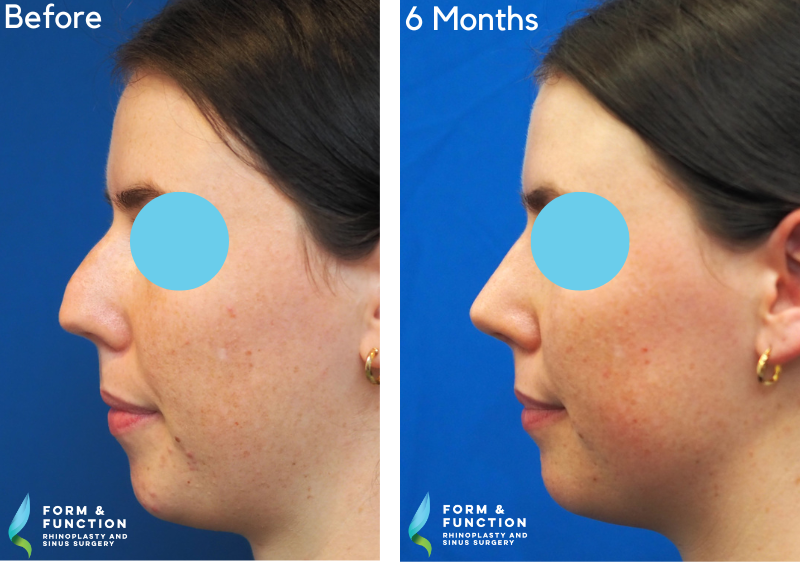
Rhinoplasty, commonly known as a “nose job,” is a transformative surgical procedure designed to improve both the appearance and function of the nose. Whether you’re seeking a solution for breathing difficulties or aiming for a more symmetrical profile, setting realistic expectations before undergoing rhinoplasty is essential. At Form and Function in Brisbane, Chris Oosthuizen combines advanced techniques and a patient-centred approach to deliver tailored nasal surgery outcomes that enhance both form and function.
Why Realistic Expectations Matter
One of the most important aspects of rhinoplasty is understanding what the procedure can realistically achieve. Setting clear and achievable expectations not only ensures greater satisfaction but also minimises the potential for disappointment. A range of factors can influence realistic rhinoplasty outcomes, and it’s crucial to consider these when setting your goals:
At Form and Function, the consultation process is pivotal in aligning your aesthetic goals with practical, achievable, and realistic rhinoplasty outcomes. Dr Chris Oosthuizen excels in guiding patients towards results that look balanced, natural, and realistic.
The Consultation Process
Every successful rhinoplasty journey begins with a comprehensive consultation. At Form and Function in Brisbane, Dr Chris Oosthuizen ensures the process is collaborative and thorough, helping you make informed decisions about your surgery.
During your rhinoplasty consultation in Brisbane, Dr Oosthuizen takes the time to listen to your concerns and understand your desired outcomes. Whether your focus is on improving aesthetics, correcting functional issues, or both, he prioritises your goals. With tools like digital imaging or mock-ups, you can visualise potential outcomes and gain a clearer understanding of what’s achievable, which is crucial for setting realistic rhinoplasty expectations. Dr Oosthuizen explains any anatomical limitations that might influence your rhinoplasty results. Open communication ensures you and your surgeon have a shared understanding of the goals.
By tailoring the process to each individual, Dr Oosthuizen ensures your rhinoplasty journey is as smooth and rewarding as possible.
Understanding Rhinoplasty Before and After Results
After rhinoplasty, it’s natural for patients to anticipate immediate improvements. However, the recovery process requires patience, as the final results often take time to fully reveal themselves.
Swelling and bruising are common in the weeks following surgery. These temporary effects are part of the healing process and will subside gradually. While some improvements will be visible within a few weeks, it may take up to a year for all swelling to resolve and the full results of the procedure to become apparent.
Dr Chris Oosthuizen focuses on achieving natural, balanced results that complement your facial features while addressing any functional issues. At Form and Function, real rhinoplasty before and after transformations highlight the subtle yet life-changing impact of tailored nasal surgery outcomes.
Why Choose Dr Chris Oosthuizen
Choosing the right surgeon is a critical step towards achieving exceptional yet realistic rhinoplasty outcomes, and Dr Chris Oosthuizen offers expertise and care that set him apart.
At Form and Function in Brisbane, Dr Chris Oosthuizen is dedicated to improving both the aesthetic and functional aspects of rhinoplasty. Whether seeking to refine your appearance or correct breathing issues, you can trust Dr Oosthuizen to provide comprehensive care and realistic rhinoplasty outcomes.
Rhinoplasty is more than just a cosmetic procedure; it’s an opportunity to improve your confidence and quality of life. Understanding realistic rhinoplasty outcomes before undergoing surgery is essential for ensuring a satisfying result. With Dr Chris Oosthuizen’s expertise and commitment to tailored care, Form and Function in Brisbane provides exceptional results in cosmetic and functional rhinoplasty.
Ready to transform your confidence with rhinoplasty tailored to your goals? Contact Dr Chris Oosthuizen at Form and Function in Brisbane today to schedule your consultation.
Posted by Chris Oosthuizen in Aesthetic Surgery, Rhinoplasty on March 10th, 2025
Allergies can be a significant concern for many people preparing for rhinoplasty surgery. Seasonal allergies, dust sensitivity, or chronic sinus issues can all contribute to nasal congestion and inflammation, potentially affecting both the surgery and recovery process. Dr Chris Oosthuizen is a leading rhinoplasty surgeon in Brisbane who prioritises both the form and function of the nose, meaning he takes allergies and nasal health into account when planning and performing rhinoplasty. In this blog, we’ll explore how allergies impact rhinoplasty outcomes and how Dr Oosthuizen expertly manages these challenges for his patients.

The Connection Between Allergies and Nasal Health
Allergies, particularly allergic rhinitis (commonly known as hay fever), cause persistent inflammation in the nasal passages, leading to symptoms such as nasal congestion and sinus pressure. Common allergy triggers include pollen, dust mites, pet dander, and mould. When these allergens enter the nasal passages, they can cause chronic swelling and irritation.
For patients with structural nasal issues—such as a deviated septum or enlarged turbinates—allergies can intensify breathing difficulties. These underlying conditions, combined with chronic nasal inflammation, may make it harder to achieve optimal rhinoplasty results without first addressing allergy management. Properly controlling allergies before and after surgery is important for a smooth recovery and long-term success.
Inflamed nasal passages due to allergies can create a habitable environment for infection after surgery. Excess mucus and swelling can trap bacteria, slowing down healing and increasing the risk of post-operative complications.
Patients with uncontrolled allergies may experience prolonged swelling and discomfort during rhinoplasty recovery. Since allergies cause persistent inflammation, they can interfere with the body’s natural healing process, making it take longer for post-operative swelling to subside.
One of the main goals of functional rhinoplasty is to improve nasal airflow. However, if allergies remain unchanged, chronic nasal congestion may persist even after surgery, potentially diminishing the functional benefits of the procedure.
Chronic nasal inflammation can affect the final aesthetic outcome of rhinoplasty. Persistent swelling may distort the intended shape of the nose, delaying the final results. Patients who experience frequent allergic flare-ups may see fluctuating nasal swelling, which could impact long-term appearance of their rhinoplasty.
During the initial consultation, nasal inflammation caused by allergies may make it difficult to assess the true underlying nasal structure. This can impact the surgical planning process, reinforcing the importance of allergy control before rhinoplasty.
During the initial consultation, Dr Chris Oosthuizen evaluates the patient’s allergy history, symptoms, and any prior treatments. He encourages patients to discuss any allergy-related concerns, including seasonal triggers, chronic nasal congestion, and any previous sinus infections. This information helps him in crafting a tailored treatment plan that minimises post-operative complications and enhances surgical outcomes.
efore surgery, Dr Oosthuizen emphasises the importance of controlling allergies to create the best conditions for healing. This may involve allergy testing, adjustments to current medications, or initiating immunotherapy if necessary. Patients may be advised to use antihistamines, nasal corticosteroids, or saline rinses in the weeks leading up to surgery to reduce nasal inflammation and improve recovery potential.
During surgery, Dr Oosthuizen employs techniques that minimise irritation to allergy-sensitive nasal structures. He takes care to preserve and optimise the nasal airway while addressing structural concerns such as a deviated septum or enlarged turbinates. His precision ensures a balance between function and aesthetics while reducing post-operative discomfort for allergy sufferers.
After surgery, effective allergy management is key to a smooth recovery. Dr Oosthuizen provides a tailored post-operative care plan, which may include nasal saline rinses, prescribed medications to control inflammation, and ongoing allergy management strategies. He advises patients on how to avoid common allergens and maintain optimal nasal health to support long-term surgical success.
Maintaining optimal nasal health after rhinoplasty requires a proactive approach to allergy management. Patients should aim to minimise exposure to common allergens such as pollen, dust mites, pet dander, and mould. Using air purifiers, regularly changing bedding, and keeping living spaces clean can help reduce allergen accumulation. Additionally, continuing prescribed allergy treatments, including antihistamines, nasal sprays, or immunotherapy, can help control symptoms and prevent inflammation that may impact long-term results.
Regular follow-ups with an allergist or primary care physician are essential for ongoing allergy management. These professionals can adjust treatment plans as needed to ensure that nasal health remains stable post-surgery. By keeping allergies under control, patients can preserve the functional and aesthetic benefits of their rhinoplasty and enjoy lasting improvements in both appearance and breathing quality.
Understanding the impact of allergies in rhinoplasty recovery and taking appropriate steps to manage them can help ensure a smoother healing process and better overall outcomes. Dr Chris Oosthuizen’s patient-centred approach ensures allergy sufferers receive the necessary pre-operative and post-operative care to achieve the best possible rhinoplasty results.
If you’re considering rhinoplasty and have concerns about allergies, schedule a consultation with Dr Chris Oosthuizen at Form and Function in Brisbane to discuss your rhinoplasty goal and allergy management strategies.
Posted by Chris Oosthuizen in Aesthetic Surgery, Rhinoplasty on March 10th, 2025
When considering rhinoplasty, also known as a nose job, many people focus solely on the shape and size of their nose. However, true beauty lies in facial harmony—the balance between all facial features. A well-proportioned nose should complement the chin, forehead, and cheeks rather than stand out as a separate entity.

Dr Chris Oosthuizen, a highly skilled rhinoplasty surgeon in Brisbane, specialises in procedures that enhance both form and function. His approach goes beyond simply reshaping the nose; he aims to create overall facial balance tailored to each patient’s unique structure. In this blog, we explore how rhinoplasty contributes to facial harmony and how Dr Oosthuizen’s expertise ensures natural, proportionate results.
The Importance of Facial Harmony
Facial balance plays a crucial role in aesthetic perception. Studies in beauty and symmetry suggest that people find faces more attractive when their features are well-proportioned. The nose, as a central feature, significantly influences this balance, but it does not exist in isolation. Its relationship with other facial features, including the chin, forehead, and cheeks, determines the overall harmony of the face.
A key principle in facial aesthetics is the golden ratio, a mathematical concept often used to assess proportion. While achieving a “perfect” nose is not the goal, the aim is to create a nose that complements an individual’s facial structure. A nose that is too large or too small can throw off this balance, affecting the perceived size and prominence of other features. Dr Oosthuizen carefully evaluates these proportions to ensure that each rhinoplasty enhances the patient’s natural beauty rather than conforming to a one-size-fits-all standard.
Key Facial Features and Their Relationship to the Nose
Chin
The chin plays a vital role in facial balance. A recessed chin can make a nose appear larger than it is, while a prominent chin can create a more proportionate look. In some cases, combining rhinoplasty with chin augmentation (genioplasty) offers a more harmonious profile. Dr Oosthuizen assesses chin projection and size to determine if additional procedures might enhance the overall aesthetic outcome.
Forehead
The forehead’s slope and contour also impact how the nose appears. A steep forehead may make a nose seem more pronounced, whereas a well-balanced forehead complements the nasal bridge. Rhinoplasty should take into account the entire profile rather than focusing solely on the nose.
Cheeks
Cheekbone structure and volume affect the way the nose integrates with the rest of the face. High, defined cheekbones can balance a stronger nose, while flatter cheeks may make certain nasal shapes more noticeable. Dr Oosthuizen considers these factors when planning a rhinoplasty to ensure the final result enhances the patient’s natural features.
Overall Facial Shape
A person’s overall face shape—whether oval, square, or round—affects how the nose fits within the aesthetic framework. For example, a narrower nose may suit an oval face, while a slightly wider nose might complement a square face better. Customising rhinoplasty to suit the individual’s facial structure ensures a natural and aesthetically pleasing result.
Dr Oosthuizen’s Approach to Facial Balance in Rhinoplasty
Dr Chris Oosthuizen takes a comprehensive approach to rhinoplasty be evaluating the entire face, not just the nose. During the rhinoplasty consultation process, he carefully assesses facial proportions and listens to the patient’s aesthetic goals. His expertise allows him to recommend adjustments that align with the patient’s natural structure while enhancing their overall appearance.
To achieve natural-looking results, Dr Oosthuizen employs advanced rhinoplasty techniques tailored to each patient. He may use computer imaging tools to help patients visualise potential outcomes and ensure their expectations align with what is surgically available. This patient-centred approach builds confidence and ensures patient satisfaction with the final result.
Rhinoplasty is not just about changing the nose; it’s about achieving overall facial and nasal balance. A well-executed rhinoplasty should complement and enhance all facial features rather than focus on the nose in isolation. Dr Chris Oosthuizen’s expertise ensures that each procedure is tailored to the individual, resulting in natural outcomes. If you’re considering rhinoplasty and want to ensure a balanced, natural look, Dr Oosthuizen can guide you through the process. Book a consultation today to explore how rhinoplasty can enhance your facial harmony.


