What counts as a medical reason
Rhinoplasty is done for medical reasons when the nose is blocked, or when it has been deformed by injury or from birth. I combine the functional and the aesthetic in one operation, because the structures that set the shape are mostly the structures that set the airway.
For rhinoplasty, Medicare requires either airway obstruction with a self-reported NOSE Scale score above 45, or a significant acquired, congenital or developmental deformity. Photographs or the NOSE Scale score must be documented. Where those criteria are met, a rebate may apply. The findings decide this, not the reason you came in. Surgery on the nose is described on my rhinoplasty page, and functional rhinoplasty and the cost of rhinoplasty cover the detail.
Rhinoplasty for trauma-induced conditions
Trauma to the nose, often from accidents or sports injuries, can affect both form and function.
Deviated septum
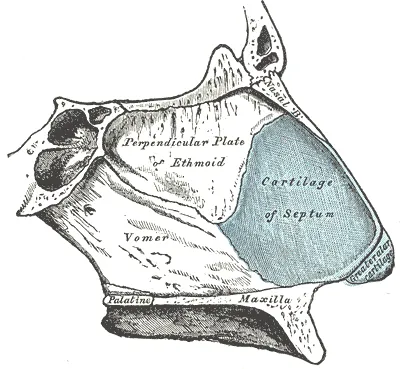
Trauma can displace the septum, the wall that separates the nostrils, and that can make breathing difficult. Septoplasty straightens the septum. It does not change the shape of the nose, so where the outside of the nose also needs correcting the two are done together.
Nasal fractures
A broken nose that is not corrected can leave a visible deformity that affects both appearance and breathing.
Haematoma and septal perforation
Trauma can cause a collection of blood in the septum (haematoma) and a hole in the septum (perforation). Both need to be assessed.
Rhinoplasty for congenital conditions
Congenital conditions can affect nasal form and function from birth.
Cleft lip and palate
I do not perform cleft lip and palate surgery. I do see patients who have had it and who now want the shape of the nose improved or the airway opened. Rhinoplasty can help with both, and the earlier repairs shape what is possible, so I plan around them.
Nasal valve collapse
Some people are born with weak or underdeveloped nasal valves, which makes breathing difficult. Rhinoplasty can strengthen and restructure these areas to improve airflow.
Nasal deformities
Congenital deformities of the nose, such as a bulbous or elongated tip, can be addressed through rhinoplasty.
What this means in practice
I do not offer surgery to everyone who consults me. Where the reason for the operation is medical, there is usually a finding behind it that can be documented, and that finding is what decides both the operation and what Medicare will cover.
What I can tell you at an assessment is whether an operation would change the problem you came in with, and I will say so if it would not.
Disclaimer: This article is for informational purposes only and is not a substitute for professional medical advice. Please consult with a qualified healthcare provider for personalised guidance regarding your medical condition.
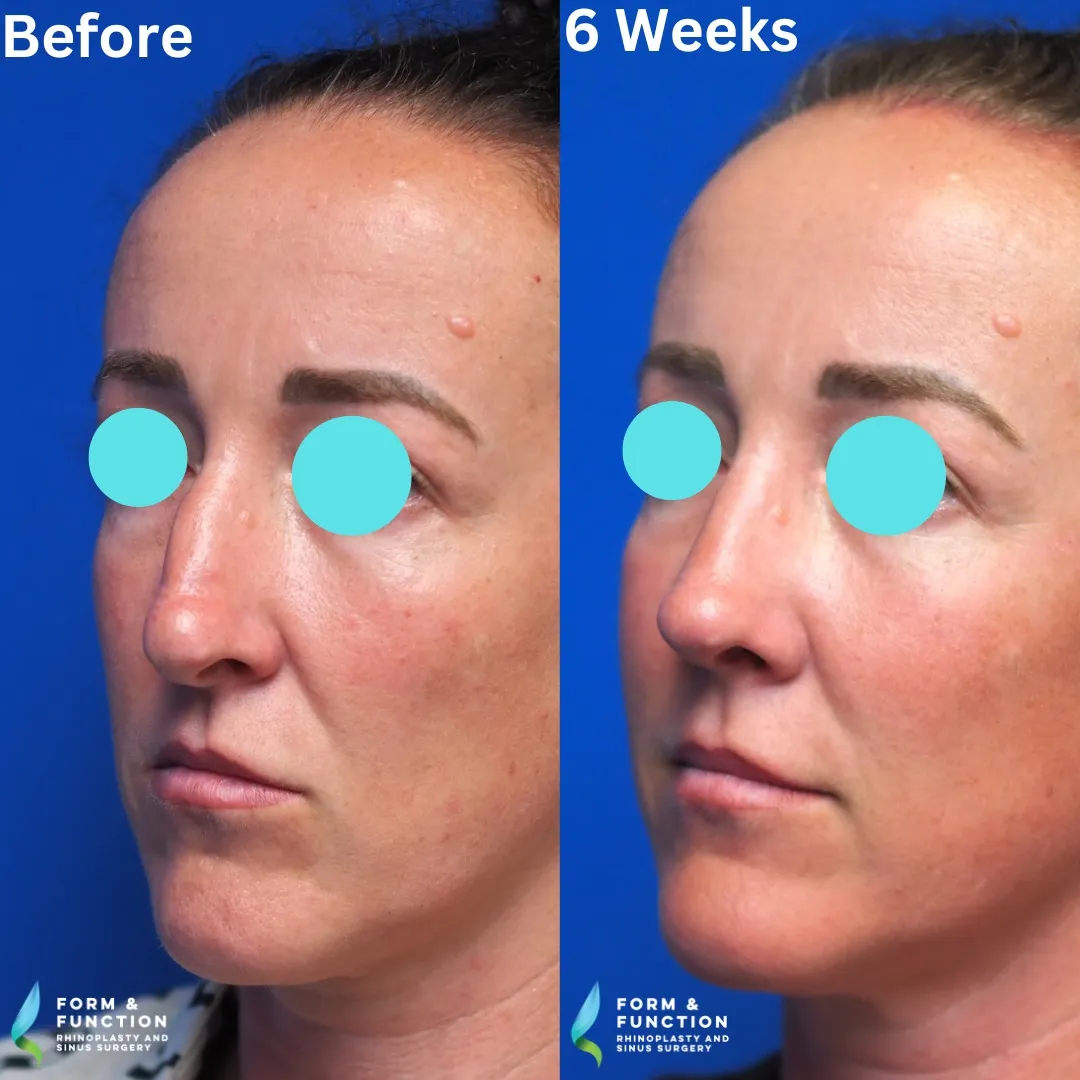
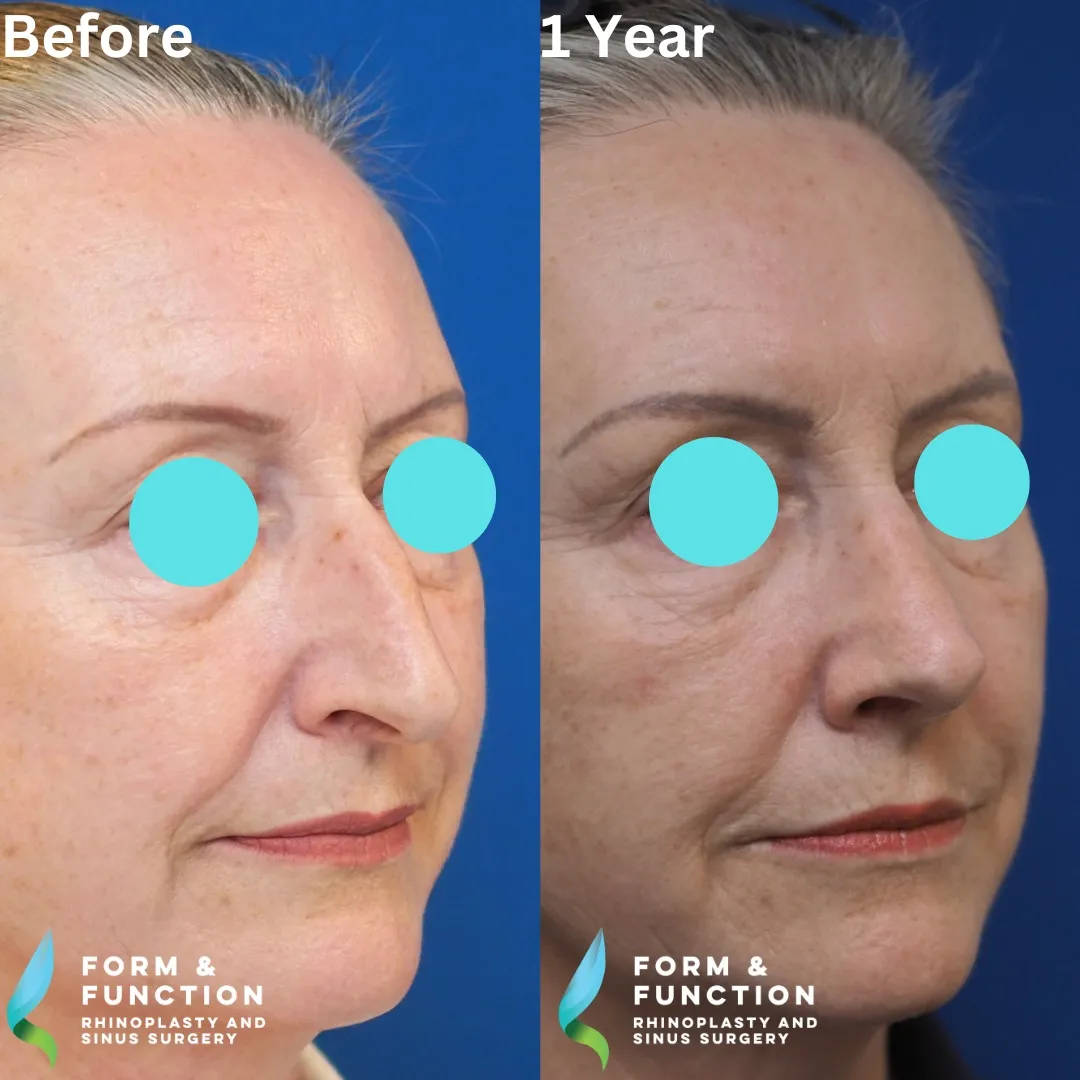
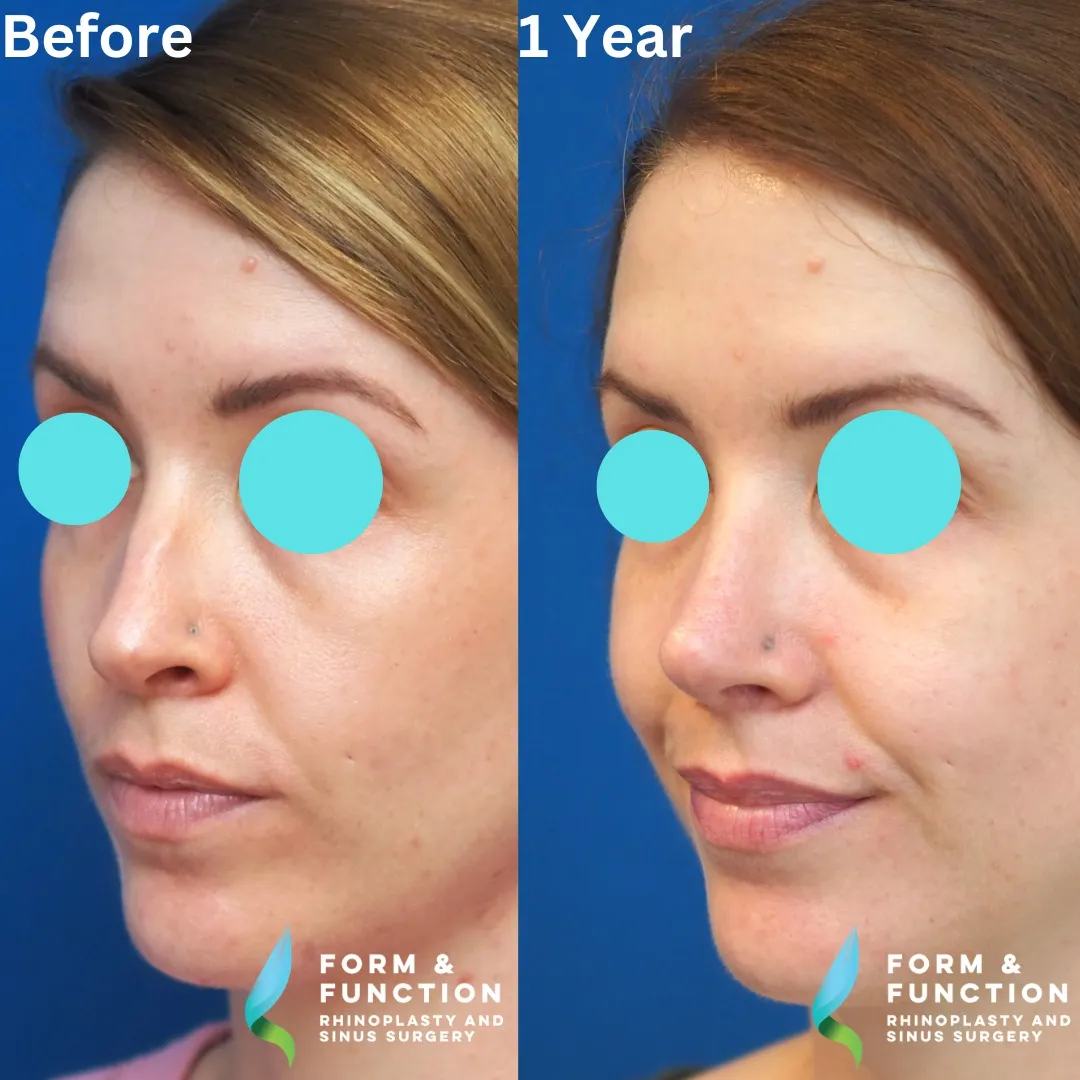
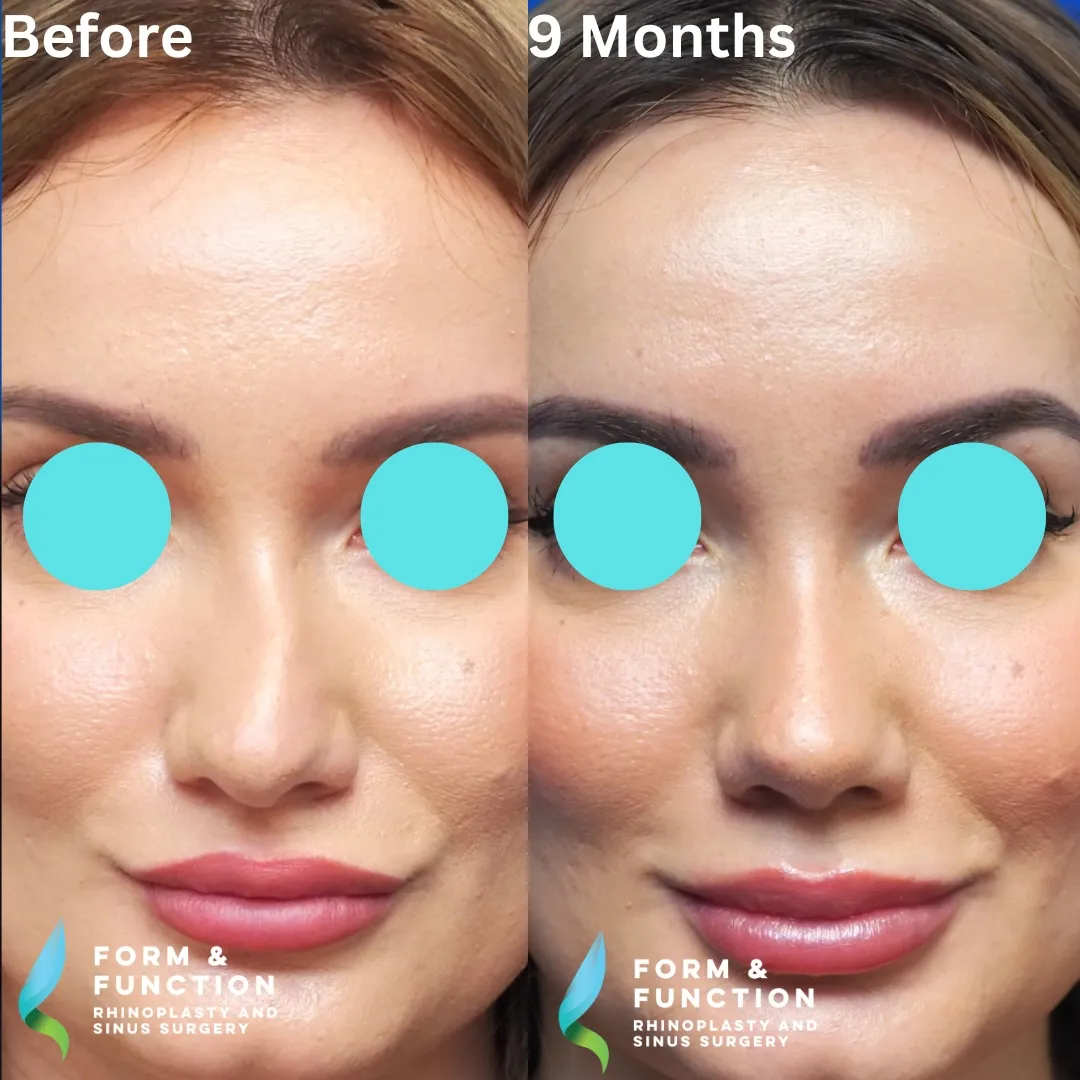
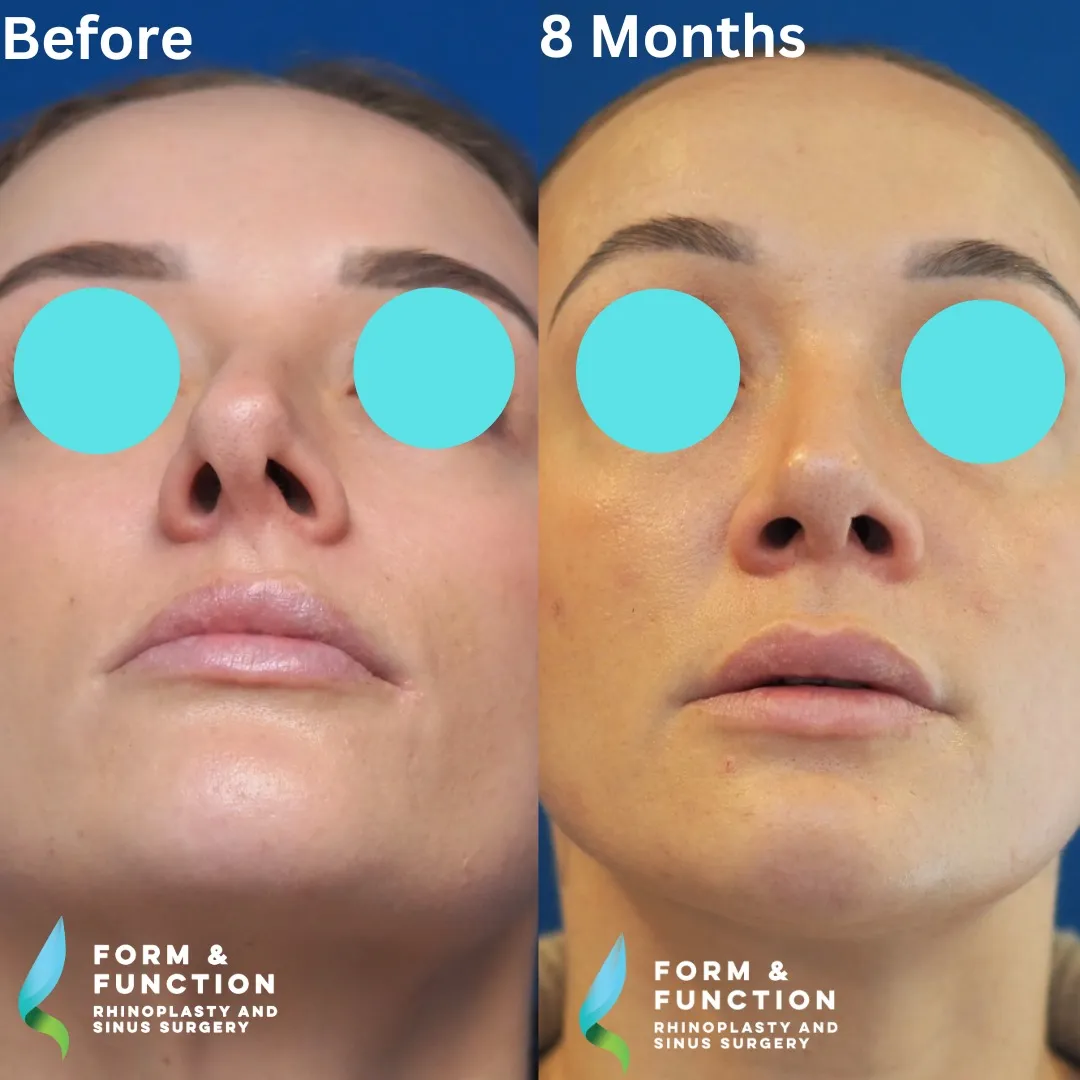
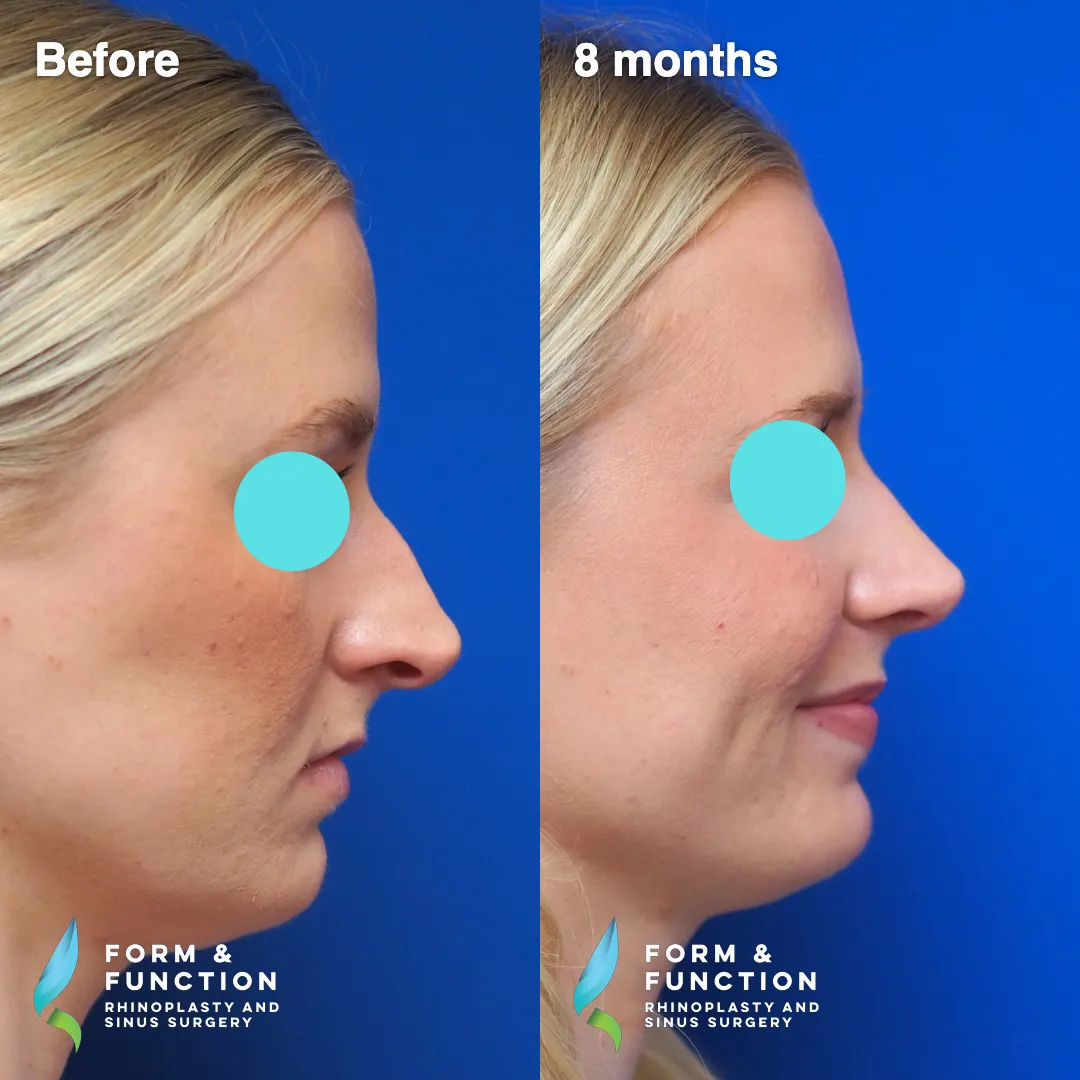
Before and after
Patients whose nose was straightened, with the time since surgery stated on each photograph.