Two different things
A crooked nose and a deviated septum are not the same thing, and the distinction is worth getting straight before anything else.
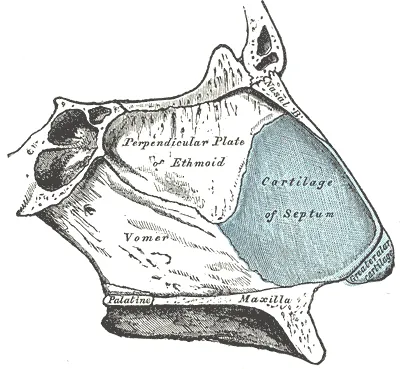
A deviated septum is internal. It is the wall between the two sides of the nose sitting off centre. It affects breathing and it is invisible from outside.
A crooked nose is external. The bridge, the tip, or both sit off the midline of the face. It is visible and it may or may not affect breathing.
They often occur together, particularly after an injury, because the same force that displaces the bones also bends the septum. But straightening one does not straighten the other. Septoplasty corrects the septum and does not change the external shape at all.
Why a nose is crooked
Injury is the commonest cause. A broken nose, often years earlier and sometimes not remembered as a significant event, displaces the nasal bones and bends the septum.
Some noses grew that way. Asymmetry that has been there since adolescence, without any injury.
It can become more apparent with age, as support in the lower part of the nose weakens and the tip drifts.
Connective tissue disorders can affect nasal cartilage, but they are rare, and injury and inheritance are far more often the explanation.
What it can do to your breathing
Where the septum is bent as well, the effects are the ones on the deviated septum page: blockage on one side, worse lying down, congestion that does not respond to antihistamines, recurrent nosebleeds from the same dry spot, and a reduced sense of smell where airflow cannot reach the top of the nose.
The airway is assessed at every consultation, whatever the reason for the appointment, because with a crooked nose the shape and the breathing usually share a cause.
What straightening involves
Realigning a crooked nose means working on both the bone and the cartilage: the nasal bones are repositioned, the septum straightened and supported, and the cartilage of the middle of the nose rebalanced where it has been pulled to one side. Cartilage is sometimes used to support the weaker side.
Every rhinoplasty I perform uses ultrasonic instruments. Piezoelectric tools cut bone and largely spare the surrounding soft tissue, blood vessels and cartilage, which matters in a crooked nose because the bone often has to be moved precisely rather than simply reduced. I have written about what the technique does and what the evidence supports.
How straight it can be made
A crooked nose is among the harder things in rhinoplasty to correct completely, and some residual deviation after surgery is common.
The reason is that cartilage has memory. A septum that has been bent for twenty years tends to drift back towards the shape it held, and the techniques for resisting that reduce the tendency rather than abolish it. Faces are also not symmetrical to begin with, so a perfectly straight nose on an asymmetrical face can still look off centre.
I say this before surgery rather than after it. The realistic aim is a nose that is substantially straighter and breathes better, not a guarantee of a straight one. If that is not what you are hoping for, it is better to know now.
Where a previous operation has left a nose crooked, that is revision work, and it is a substantial part of what I do.
Where the shape followed a break, or has been there since childhood, the medical and functional side of it is worth reading alongside this.
What I do not offer
I do not use filler or injectable treatments to camouflage a crooked nose. My adult practice is surgery of the nose only.
I also do not offer surgery to everyone who consults me. Where I am not confident an operation can deliver a worthwhile and lasting improvement, I will tell you and explain why.
What to expect afterwards
Most bruising settles in two to three weeks and most visible swelling over six to eight weeks, and swelling can briefly increase again at around four to six weeks. The nose keeps changing for much longer, and the final shape is not settled for about twelve months. Small asymmetries that are obvious at six weeks are often gone by twelve months, which is why I do not assess a result before then.
Next step
The operation itself is described on my rhinoplasty page. Consultations are at Indooroopilly, Springfield and Ipswich, and the first consultation can be done by video for patients travelling from outside Brisbane, although meeting in person is ideal. Send an enquiry and we will reply within one business day.
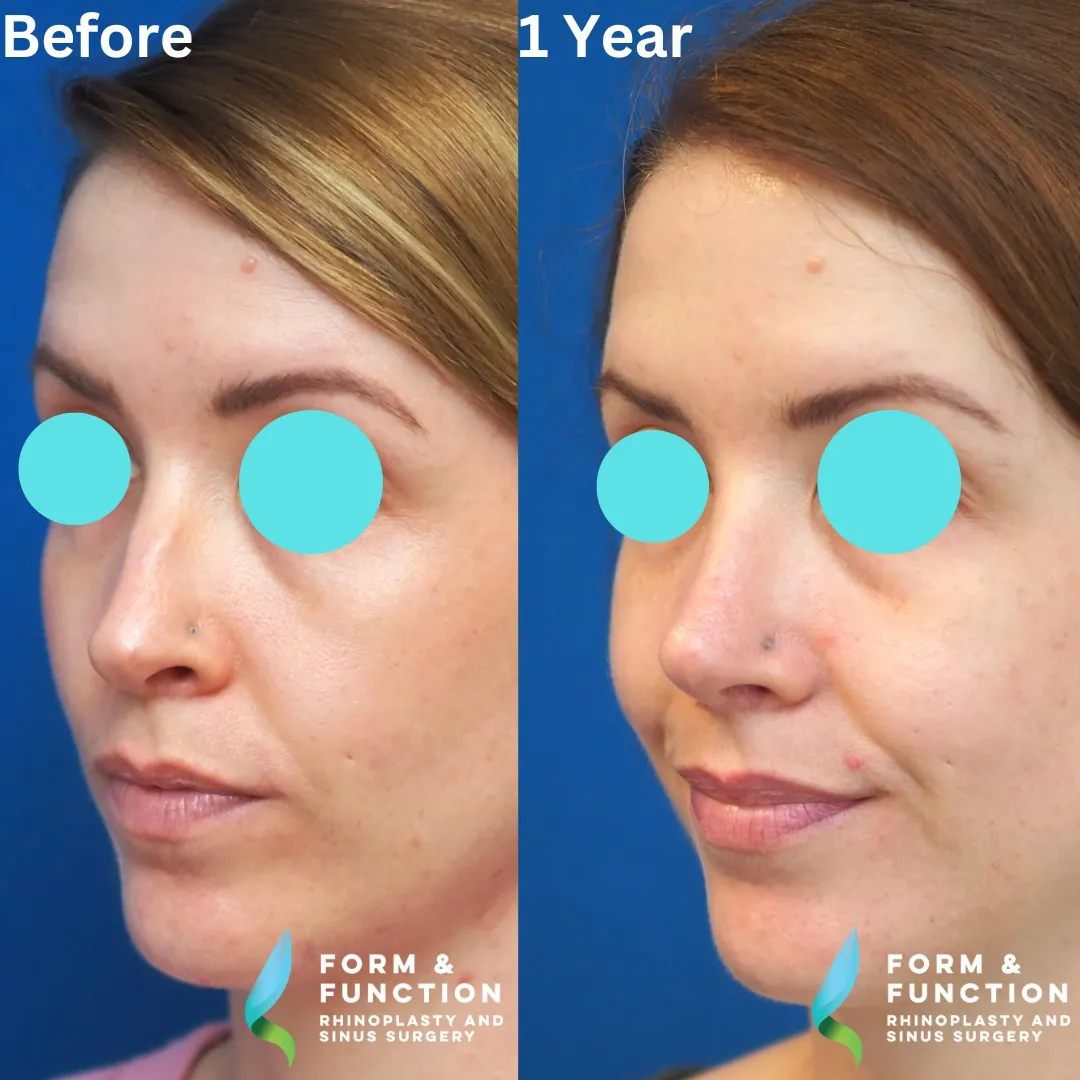
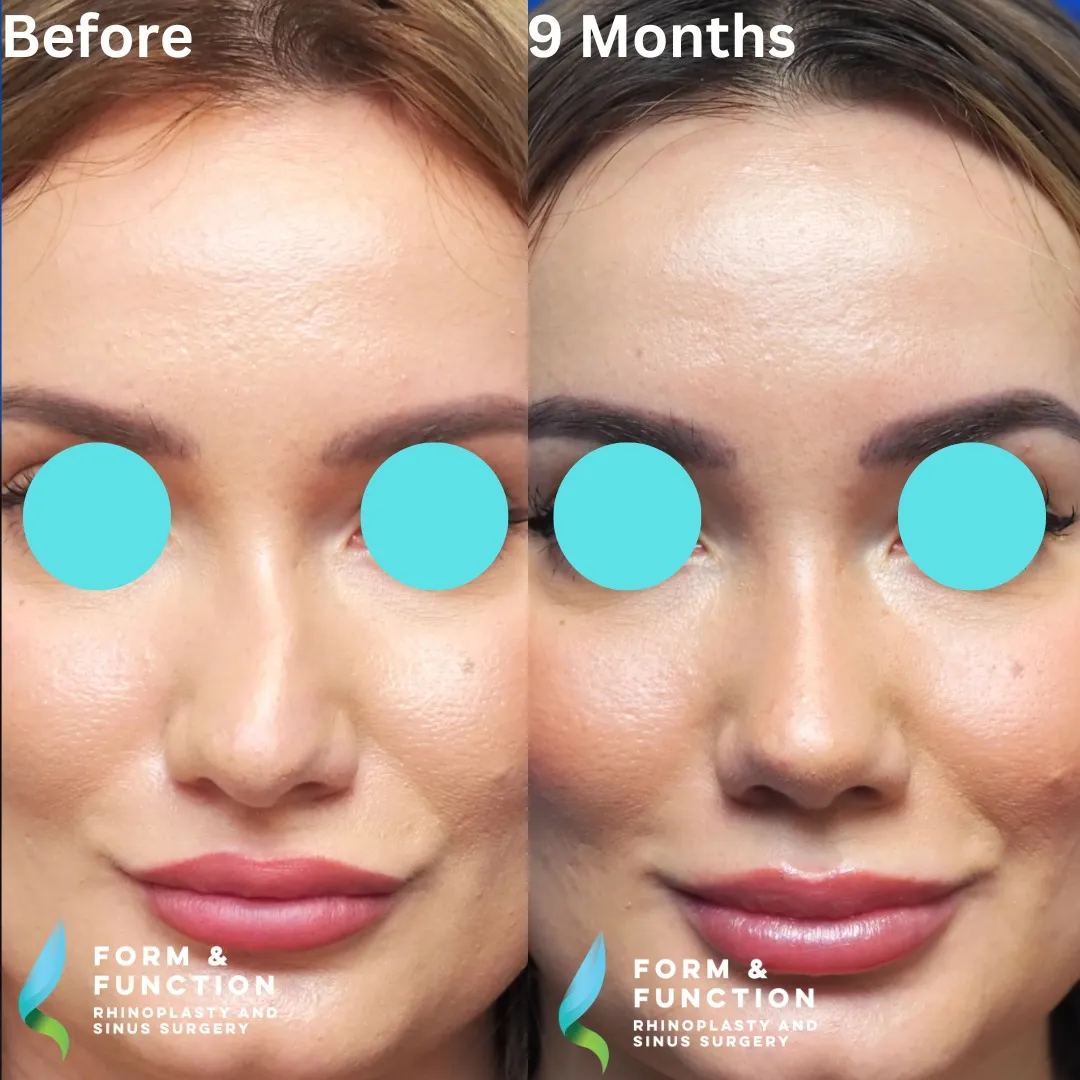
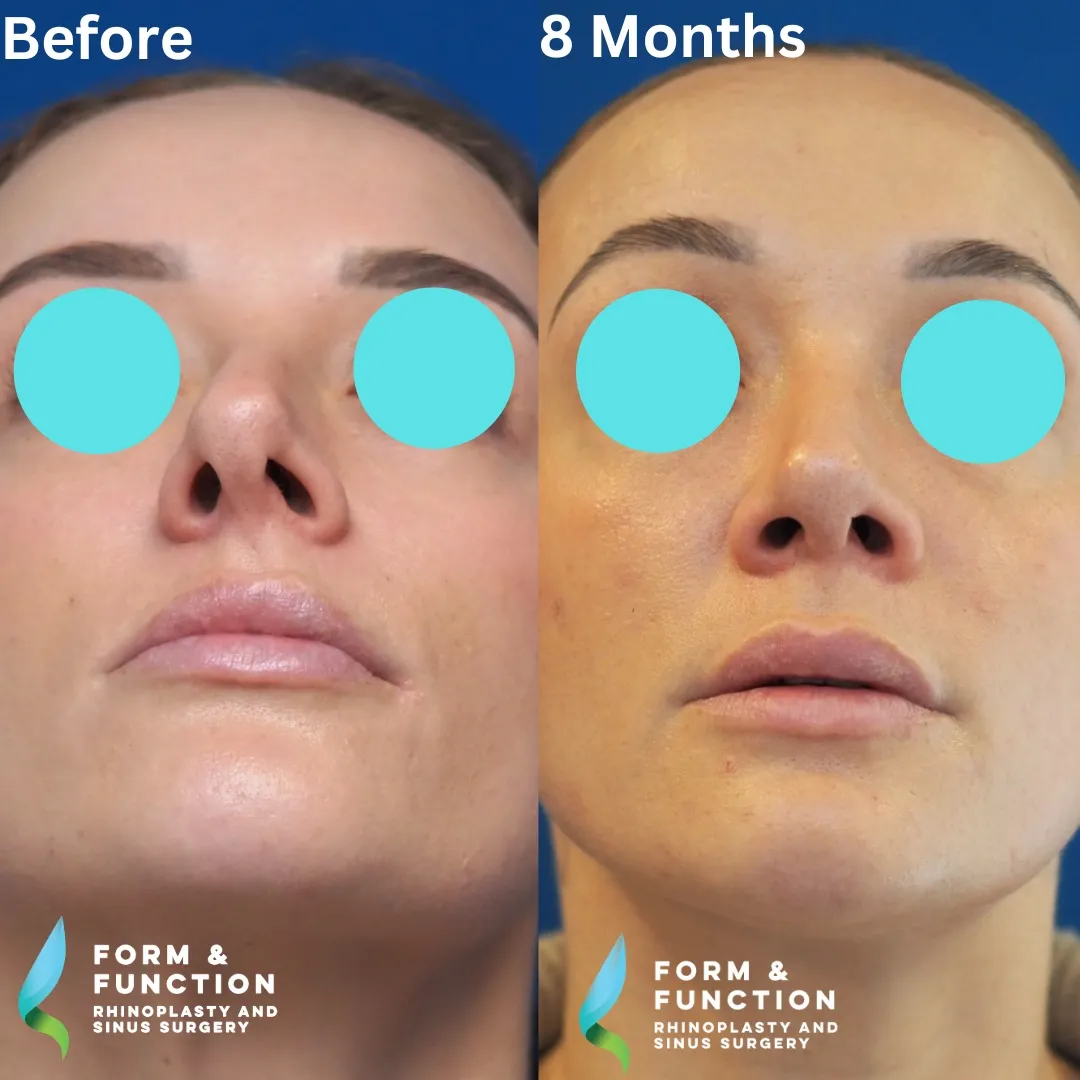
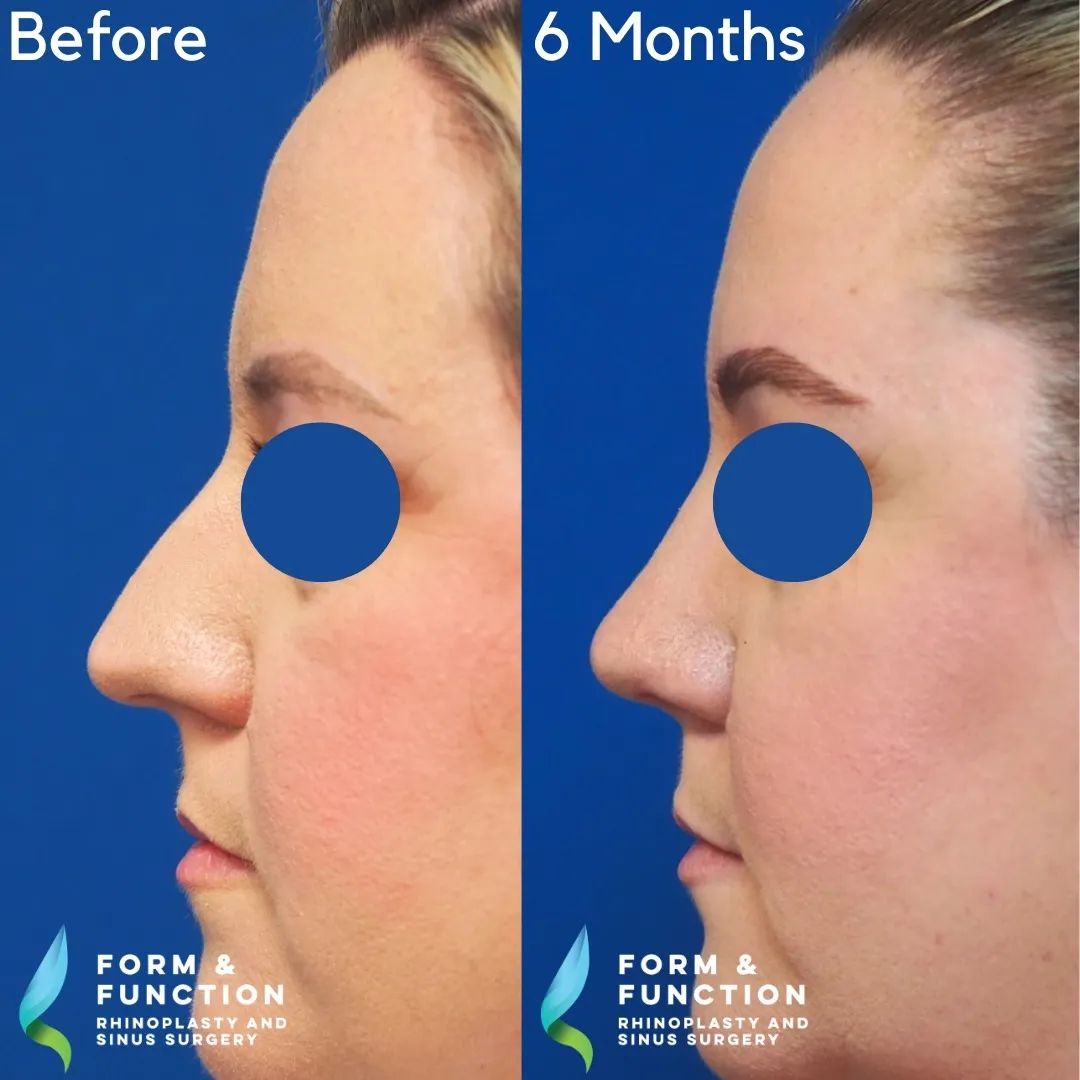
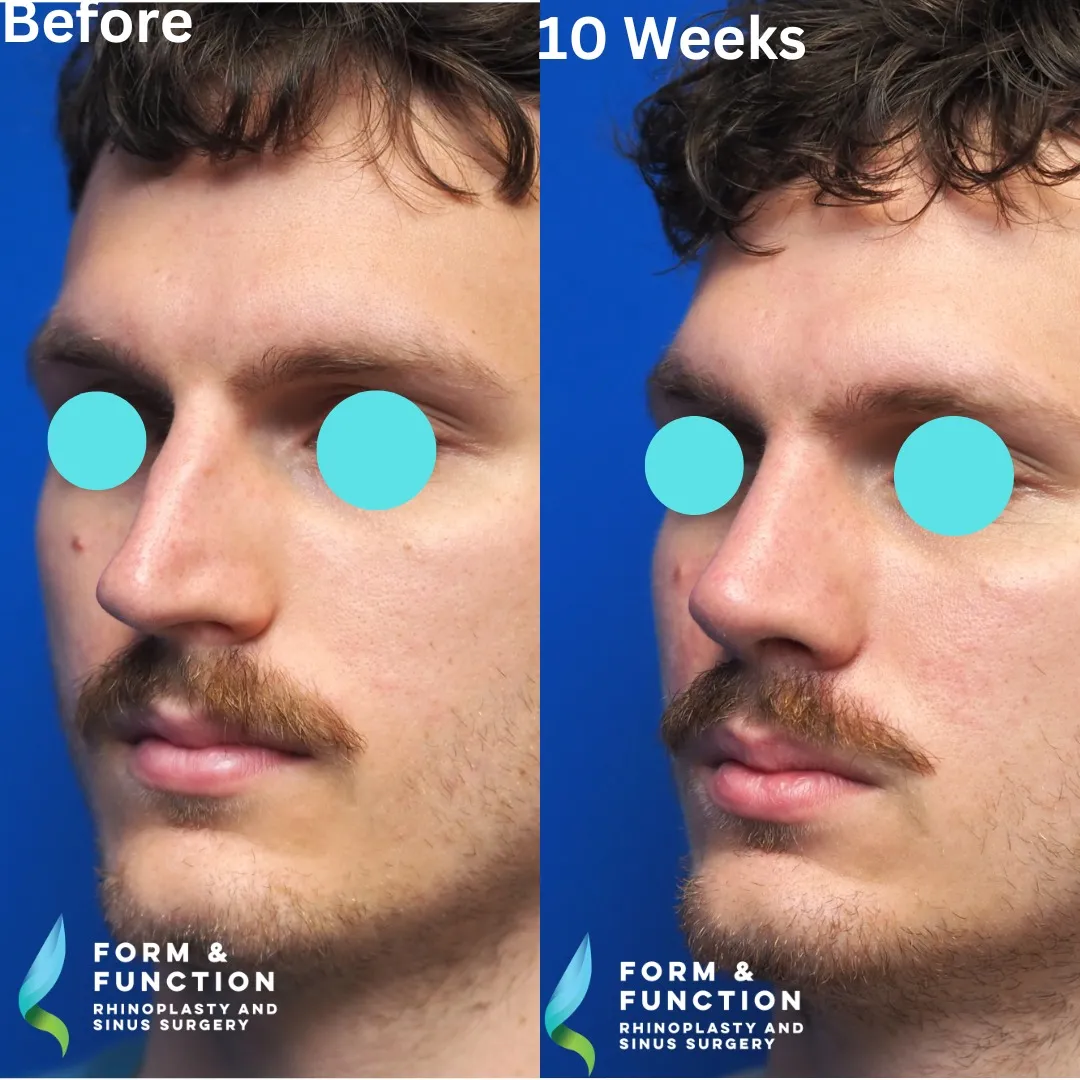
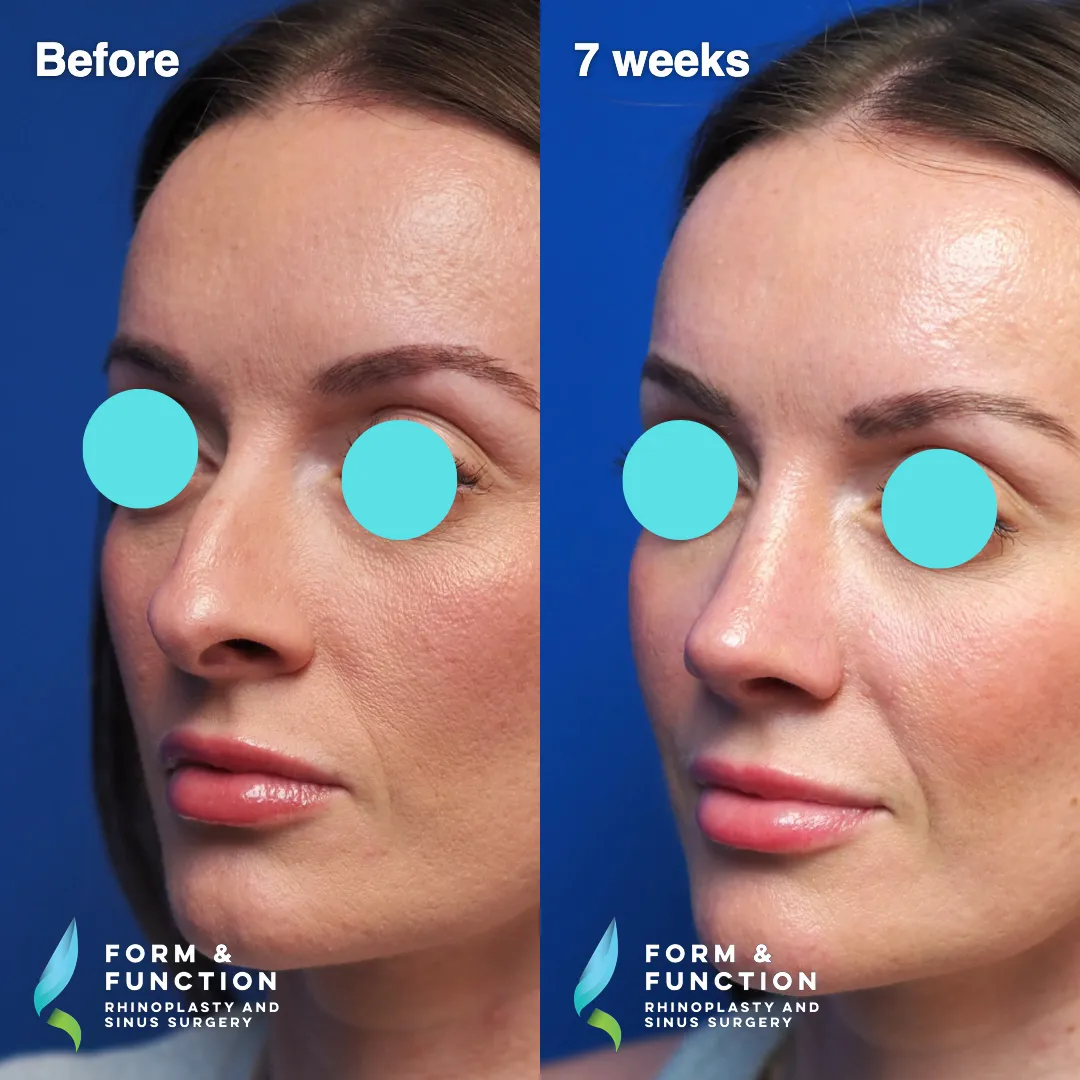
Before and after
Patients treated for this, with the time since surgery on each photograph.