What a dorsal hump is made of
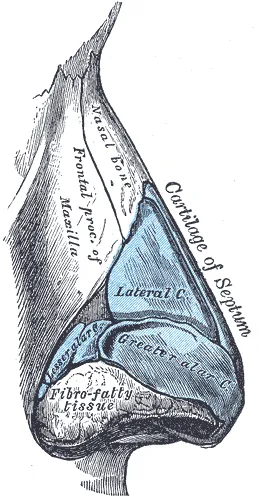
The bridge of the nose is bone in its upper half and cartilage in its lower half, and the join between them sits roughly at the level of the hump. Most humps involve both. The proportion matters: a predominantly cartilaginous hump behaves differently under instruments from a bony one, and the difference is not obvious from a photograph.
Why it is there
Usually because it grew that way. The nose finishes growing in the teenage years, and a dorsal hump is one of the commonest inherited nasal shapes.
Sometimes because of an old fracture. A broken nose can leave the bridge higher or more irregular, and often with the septum deviated at the same time.
Sometimes it becomes more obvious with age without changing at all. As support beneath the tip weakens the tip drops, and a hump that was always there starts to stand out in profile.
Does a hump affect breathing
On its own, usually not. A hump is a contour on the outside of the bridge and does not by itself narrow the airway.
What does affect breathing is what frequently accompanies it. The septum forms the lower part of the bridge, so a nose that was broken, or that grew with a marked hump, often has a deviated septum as well. The airway is assessed at every consultation, whatever the reason for the appointment. If your breathing is fine, I will say so.
What lowering a hump actually involves
This is done as rhinoplasty. Taking down the bony and cartilaginous prominence leaves the roof of the nose open across the top, so the nasal bones are repositioned to close it. Skip that step and the bridge ends up flat and wide instead of narrow and straight. This is the part patients are least often told about and the part that most determines the result.
Every rhinoplasty I perform uses ultrasonic instruments. Piezoelectric tools cut bone and largely spare the surrounding soft tissue, blood vessels and cartilage, which allows the bone to be shaped where it is placed rather than across whatever a rasp touches. I have written about what the technique does and what the evidence supports.
A dorsal hump is also the classic case for preservation techniques, which lower the bridge by repositioning it rather than removing it and rebuilding. It suits some humps and not others. A very large hump, or a dorsum that is badly deviated as well as high, may rule it out.
If the septum is deviated, septoplasty corrects it in the same operation.
What the result depends on
Your skin. Thick skin does not drape tightly onto a lowered bridge, so the definition achievable is limited. Thin skin shows every small irregularity in the bone beneath it. Neither can be changed, and both are visible at the consultation.
How much is taken. A bridge lowered too far reads as operated, and it is harder to restore height than to remove it.
Whether the tip is addressed. A hump lowered while a dropped tip is left alone can make the tip look worse, because the hump was partly disguising it.
Common questions
Can a hump go away on its own?
No. The bone and cartilage do not remodel themselves. What can change is how obvious it looks, as the skin and the tip alter with age.
Can a hump come back after surgery?
The hump itself does not regrow. What can happen is that swelling settles unevenly or that a small amount of residual bone or cartilage becomes apparent as the tissues thin over the first year. That is a different thing from regrowth, and it is why the final assessment is at twelve months rather than at six weeks.
How long until it looks right?
Most bruising settles in two to three weeks and most visible swelling over six to eight weeks, and swelling can briefly increase again at around four to six weeks. The bridge looks close to final earlier than the tip does. The final shape is not settled for about twelve months. No technique shortens that.
What I do not offer
I do not use filler or injectable treatments in the nose. My adult practice is surgery of the nose only.
I also do not offer surgery to everyone who consults me. I will only proceed where an operation can deliver a worthwhile and lasting improvement and where what you are hoping for is achievable with your anatomy. Where it is not, I will tell you and explain why.
Next step
The operation itself is described on my rhinoplasty page. Consultations are at Indooroopilly, Springfield and Ipswich, and the first consultation can be done by video for patients travelling from outside Brisbane, although meeting in person is ideal. Send an enquiry and we will reply within one business day.
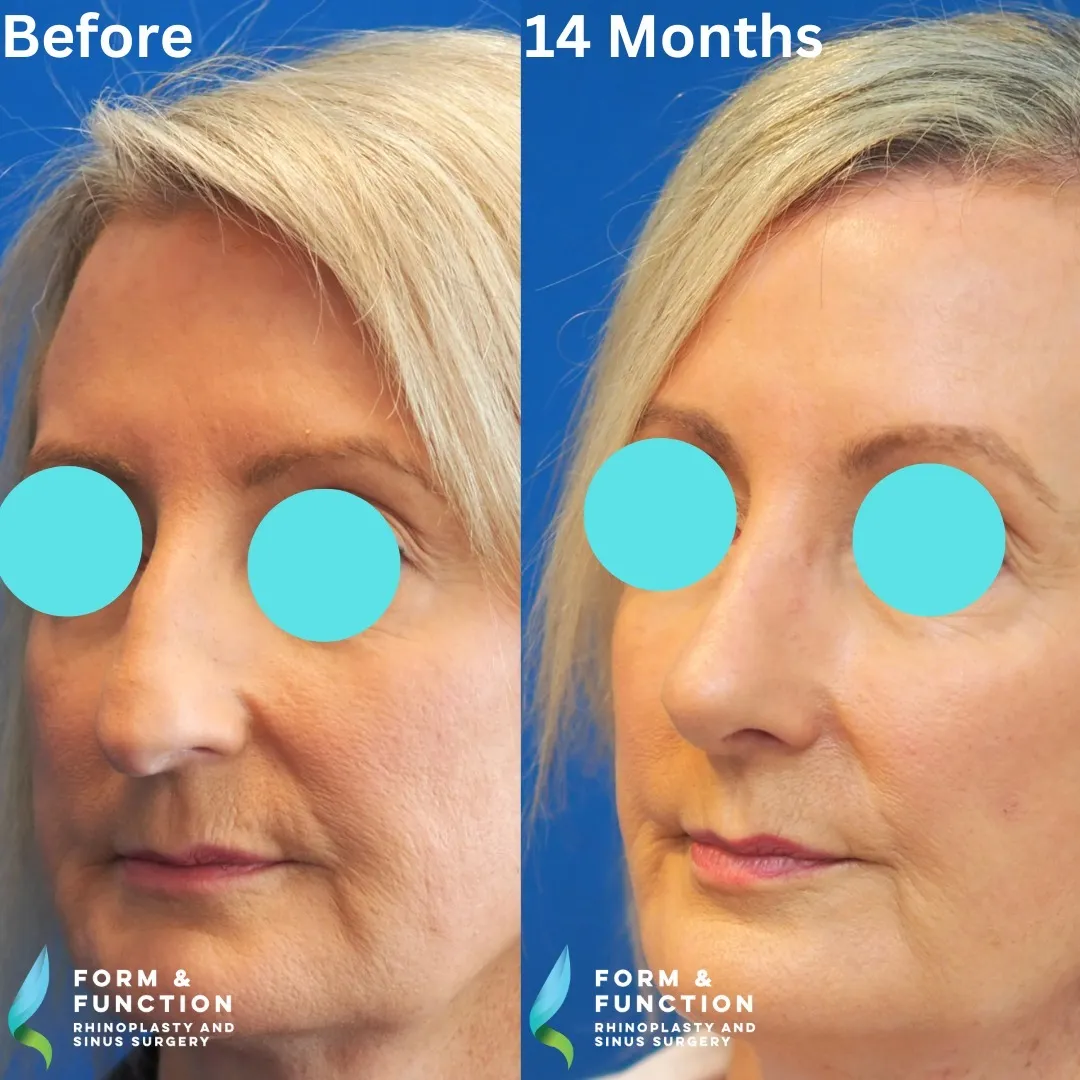
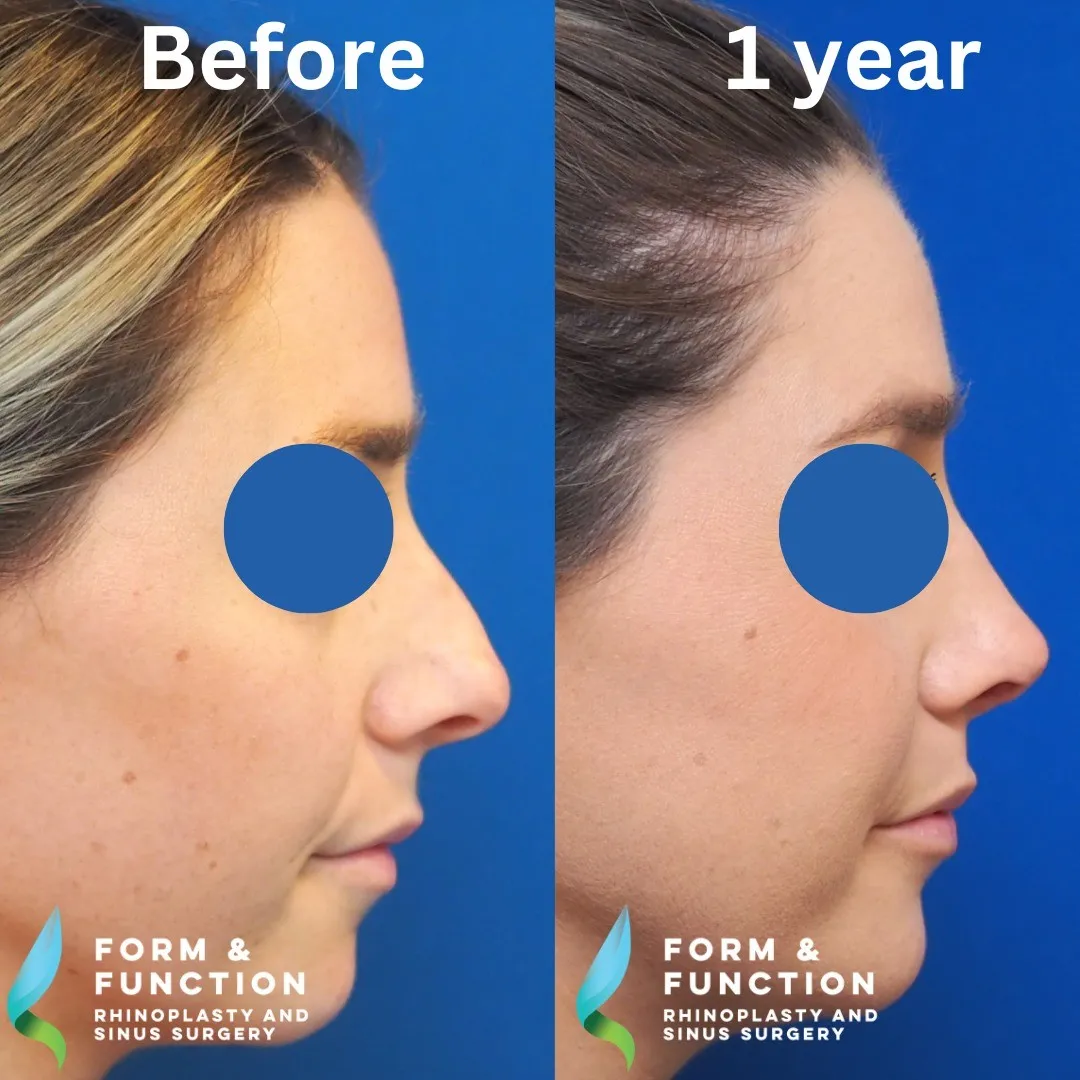
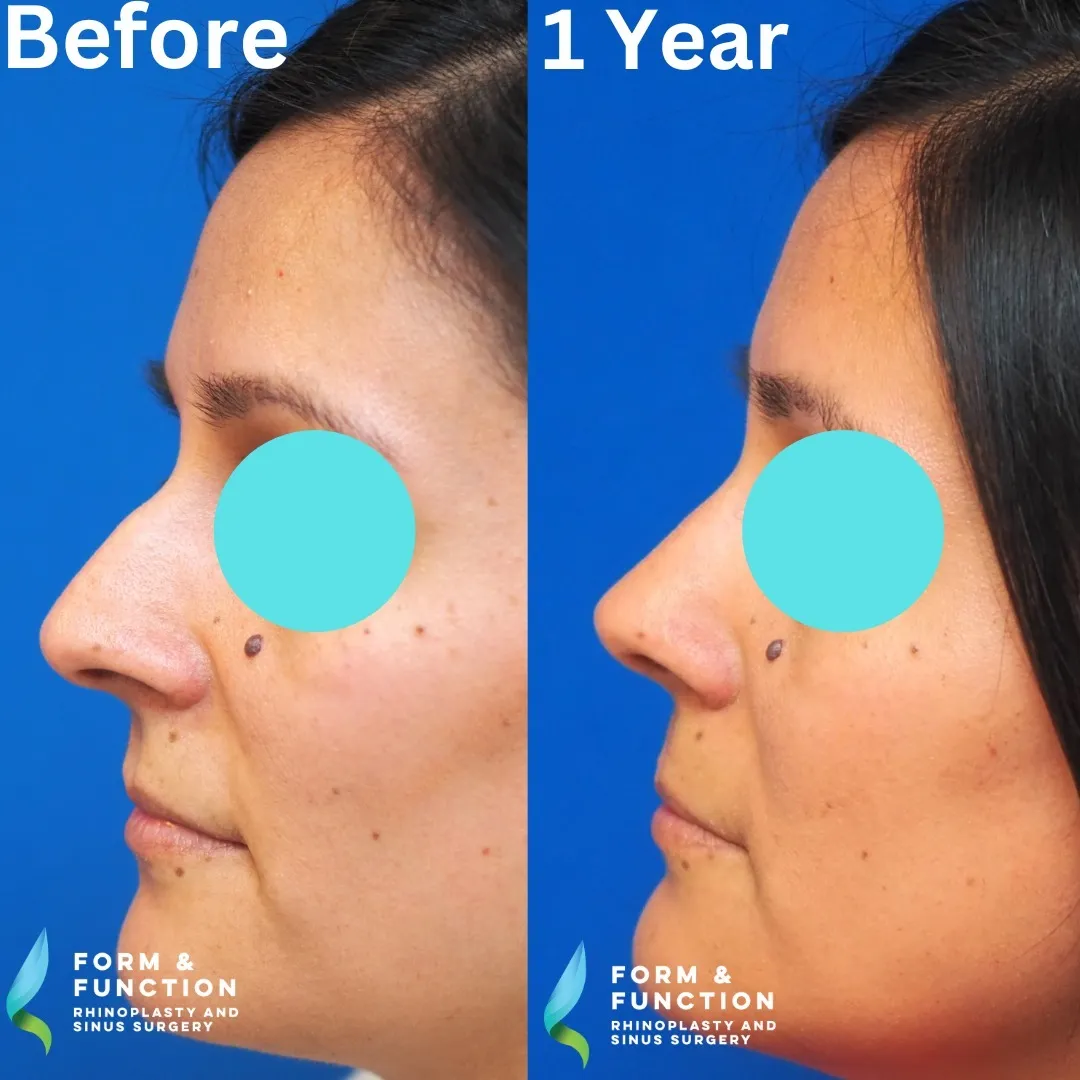
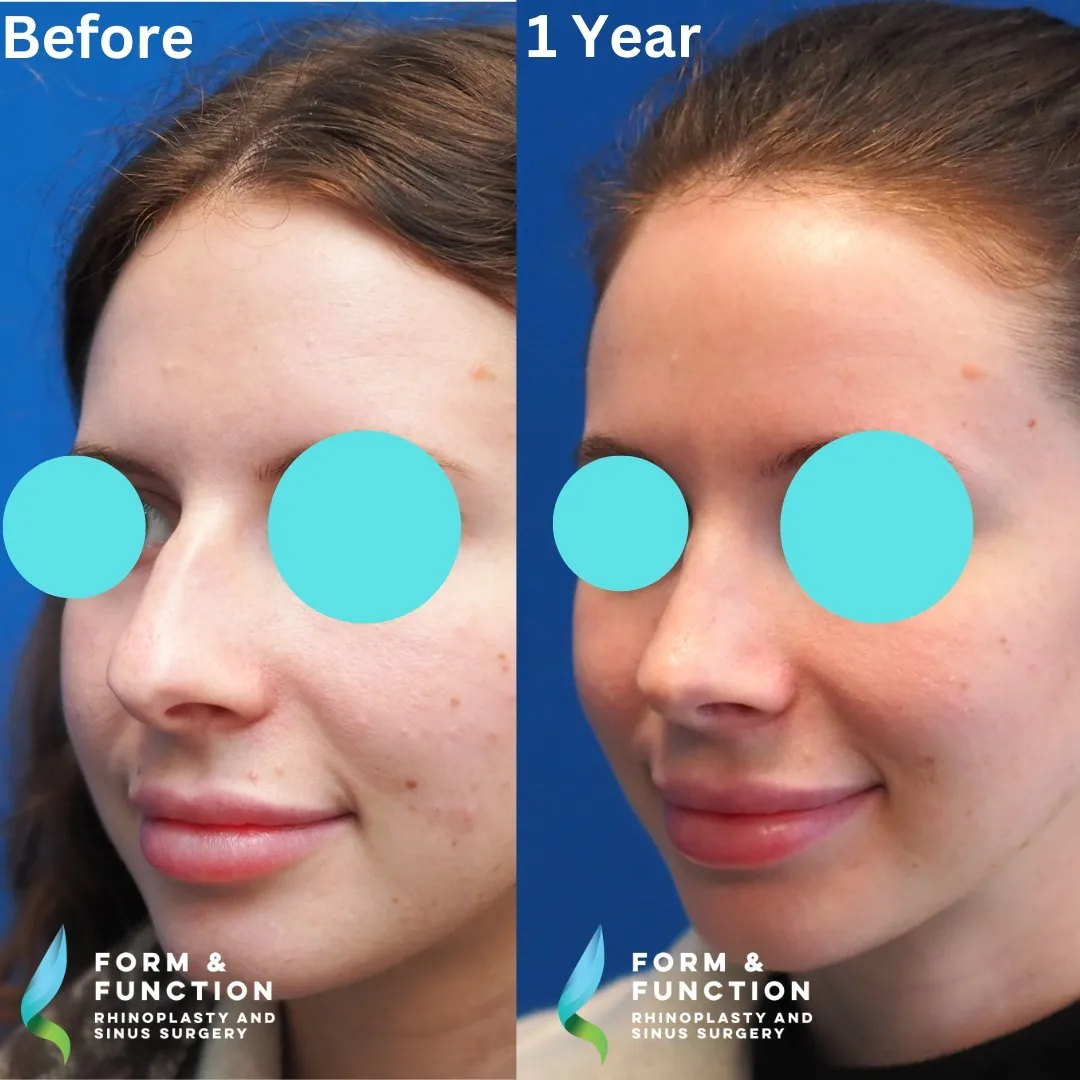
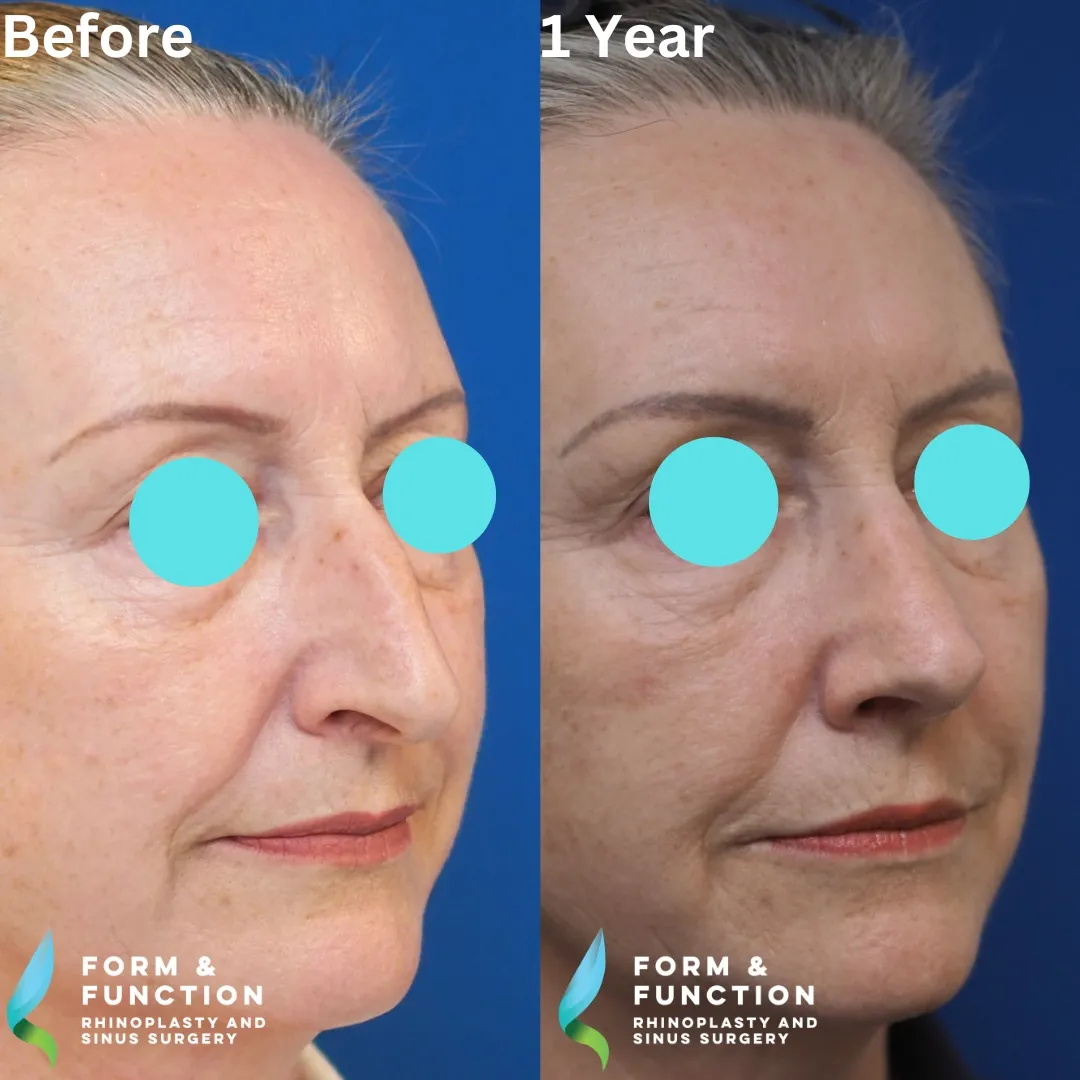
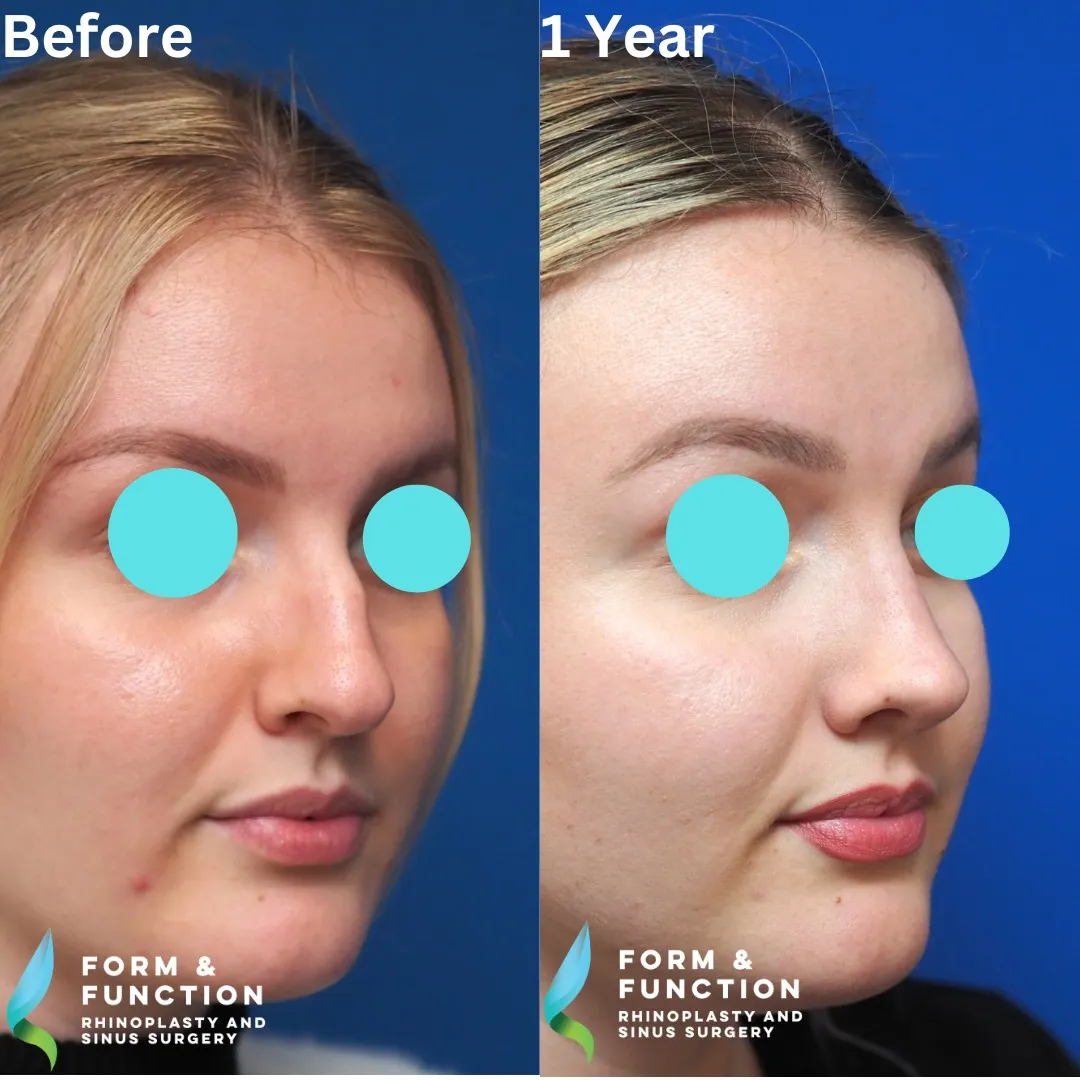
Before and after
Patients treated for this, with the time since surgery on each photograph.