What sets the length of a nose
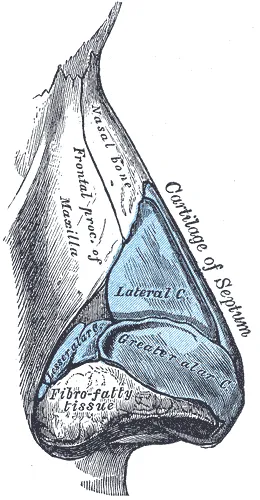
Two things, working together. The nasal bones and the upper part of the septum set the height and length of the bridge. Below them, the lower cartilages and the support beneath the tip decide where the tip sits and which way it points. A nose reads as long when the bridge is high, when the tip sits low, or when both are true at once.
That distinction matters more than it sounds. A high bridge and a dropped tip look similar in a mirror and are different operations.
Why a nose is long
Most often it is inherited. The nose you grew is the nose your family grew, and it finished growing in your teens.
Tip support weakens over time. The cartilages supporting the tip lose stiffness with age. As the tip drops, the nose looks longer and the profile looks more prominent, without the bridge having changed at all.
A previous fracture changes the shape. An injury, sometimes one you do not remember, can leave the bridge higher or more irregular than it was.
Whether it affects your breathing
Often it does, but not always for the reason people assume. A high bridge on its own does not usually block the airway. The septum does. Because the septum runs the whole length of the nose and forms part of the bridge, a nose that grew long or was broken frequently has a deviated septum as well.
So the shape and the breathing may be related, and the only way to know is an examination. The airway is assessed at every consultation, whatever the reason for the appointment. If your breathing is normal, I will tell you that rather than find something to treat.
What surgery can change
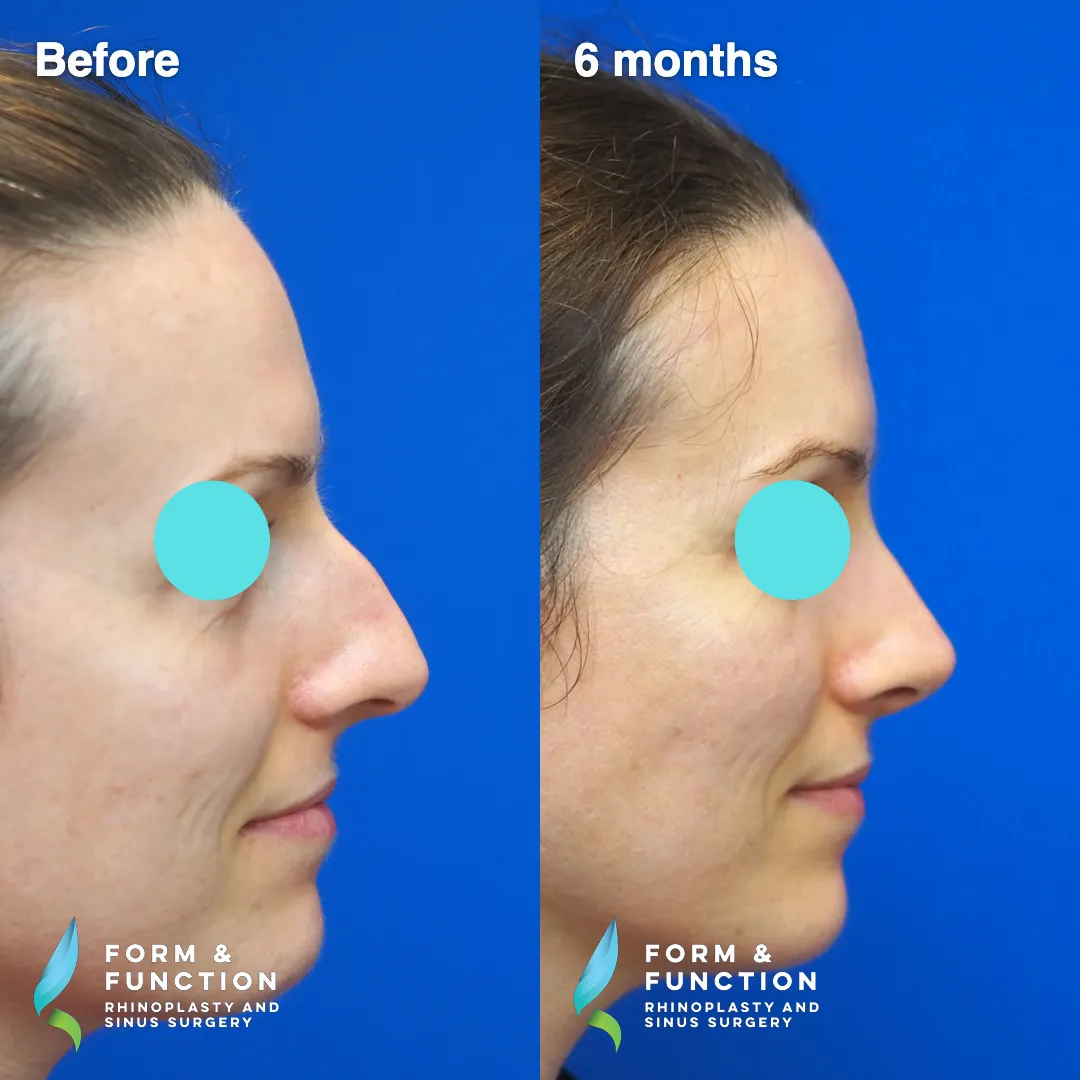
The operation is rhinoplasty. Reducing the height of the bridge means removing bone and cartilage from the dorsum, which leaves the roof of the nose open where it was taken from, so the nasal bones are then repositioned to close it. Shortening a nose usually means rotating the tip upward and rebuilding its support, rather than cutting length off the end.
Every rhinoplasty I perform uses ultrasonic instruments. Piezoelectric tools cut bone and largely spare the surrounding soft tissue, blood vessels and cartilage. I have written about what the technique does and what the evidence supports.
Where the anatomy suits it, I have a particular interest in preservation techniques, which lower the bridge by repositioning it rather than removing it and rebuilding. It is not the right approach for every nose, and a large hump or a badly deviated dorsum may rule it out.
If the septum is deviated, septoplasty corrects it in the same operation.
What makes a long nose difficult
The result is not a matter of technique alone.
Skin thickness sets a limit. Thick skin does not shrink onto a smaller framework as readily as thin skin, so the definition achievable underneath it is limited. Thin skin shows every irregularity. Neither can be changed.
There is a limit to how much a nose can be shortened. The septum and the skin envelope both resist, and a nose rotated too far stops looking like it belongs to the face it is on.
Over-reduction is the commonest way this operation goes wrong. A bridge taken down too far, or a tip rotated too high, reads as operated rather than as unoperated. It is also among the harder things to put right afterwards.
How the nose sits against the rest of the face is part of the same assessment.
What I do not offer
I do not use filler or injectable treatments in the nose, and my adult practice is surgery of the nose only.
I also do not offer surgery to everyone who consults me. I will only proceed where I am confident that an operation can deliver a worthwhile and lasting improvement, and where what you are hoping for is achievable with your anatomy. Where it is not, I will say so and explain why.
Recovery
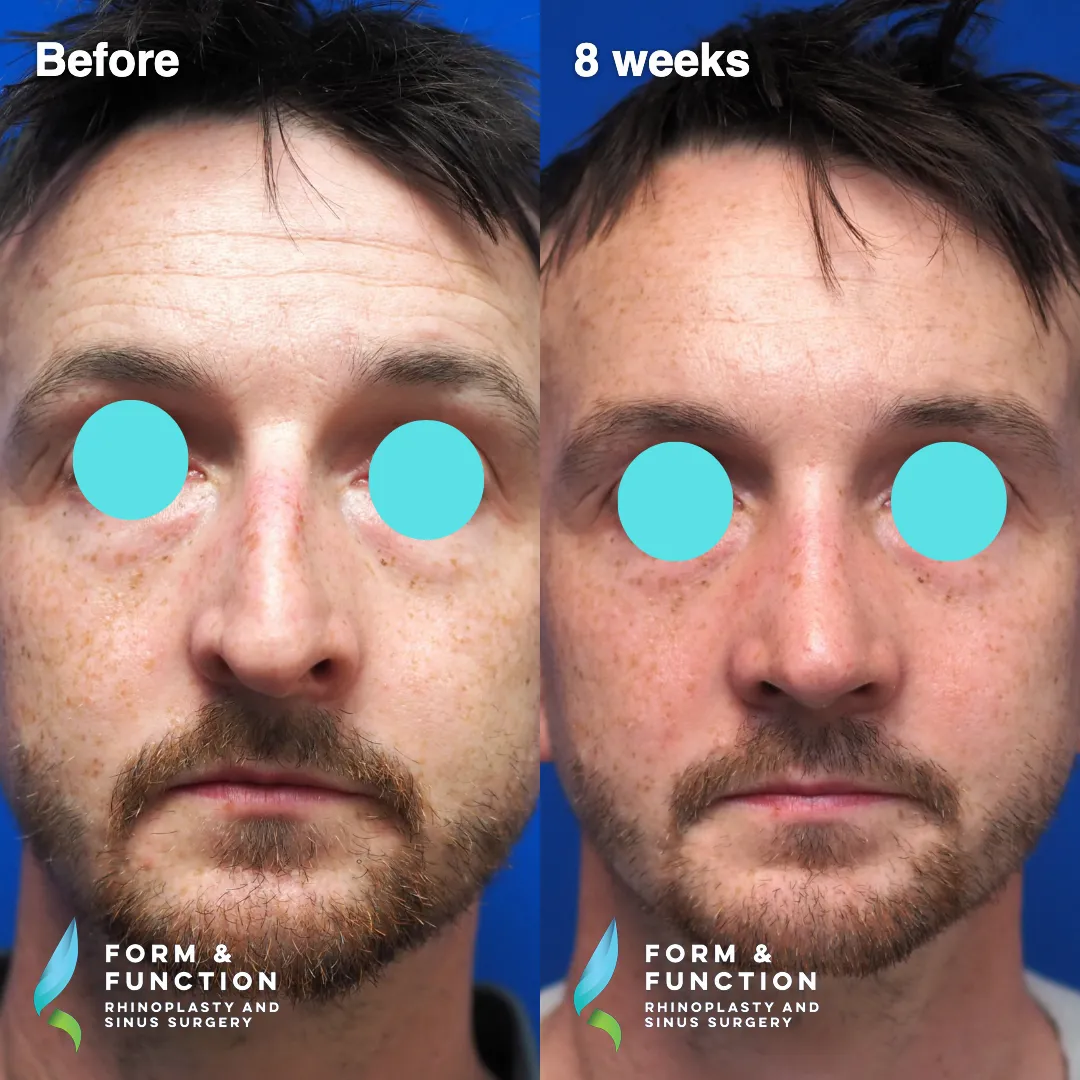
Most bruising settles in two to three weeks and most visible swelling over six to eight weeks, and swelling can briefly increase again at around four to six weeks. The nose keeps changing for much longer than that, and the final shape is not settled for about twelve months, particularly at the tip. No technique shortens that.
Next step
Consultations are at Indooroopilly, Springfield and Ipswich, and the first consultation can be done by video for patients travelling from outside Brisbane, although meeting in person is ideal. Send an enquiry and we will reply within one business day.
Before and after
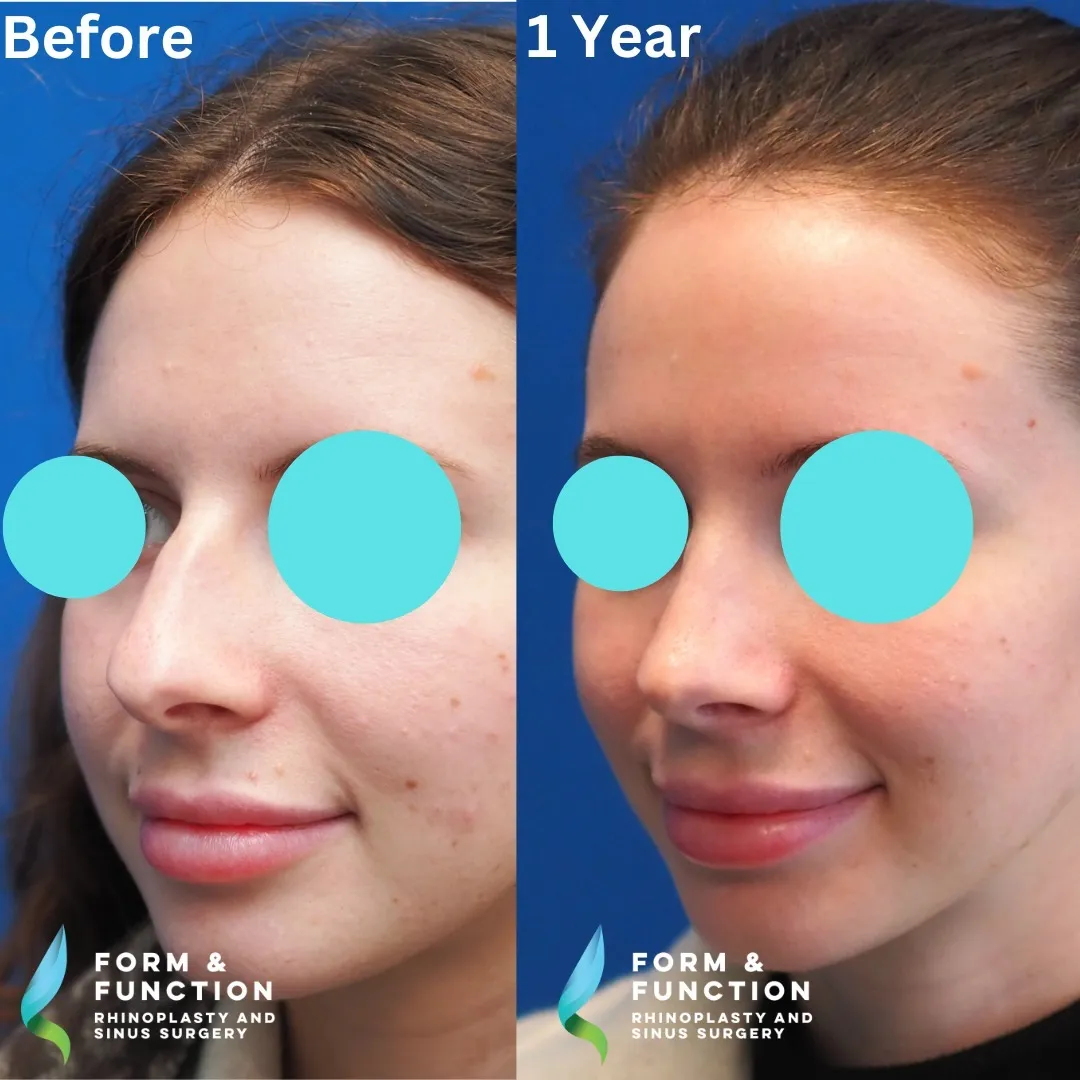
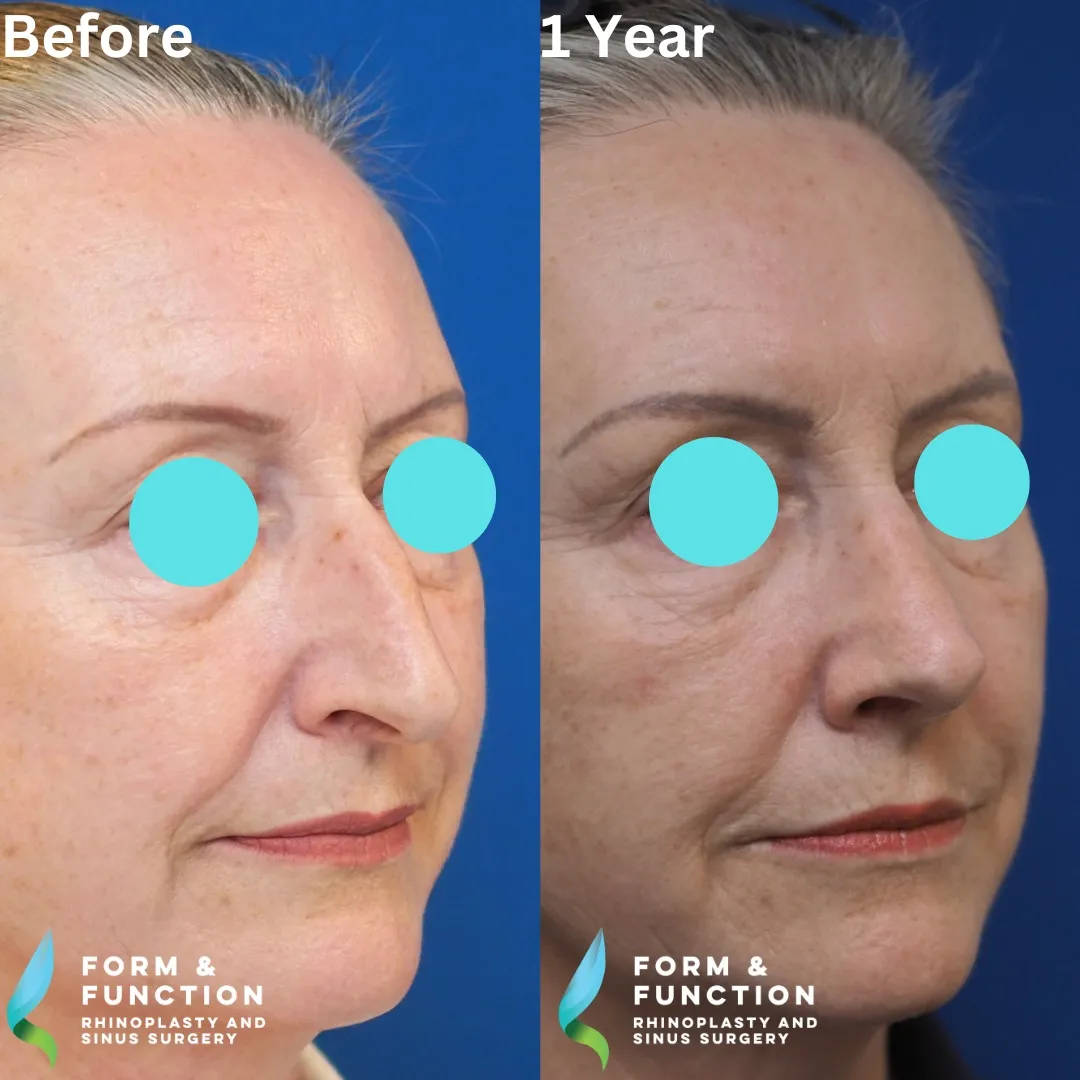
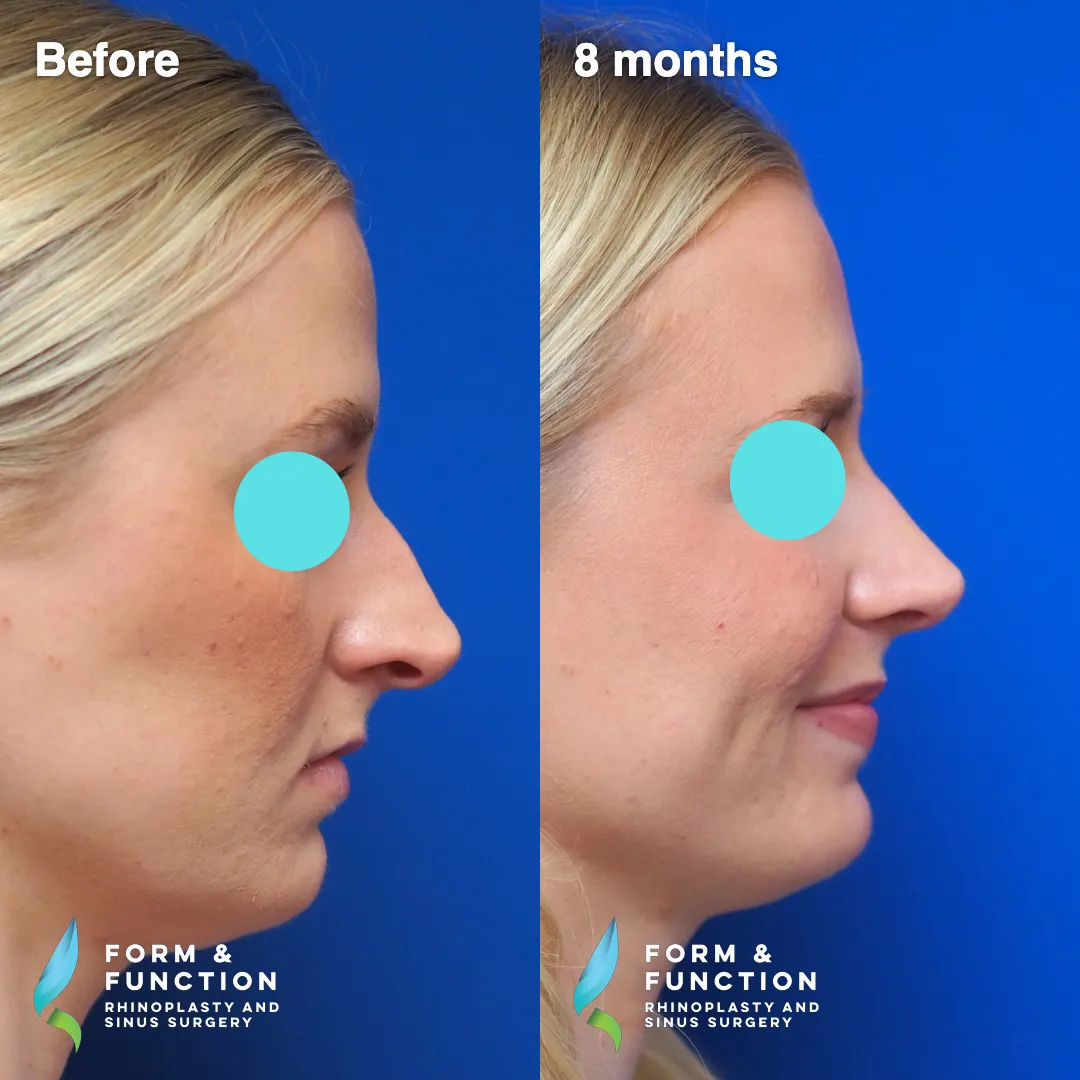
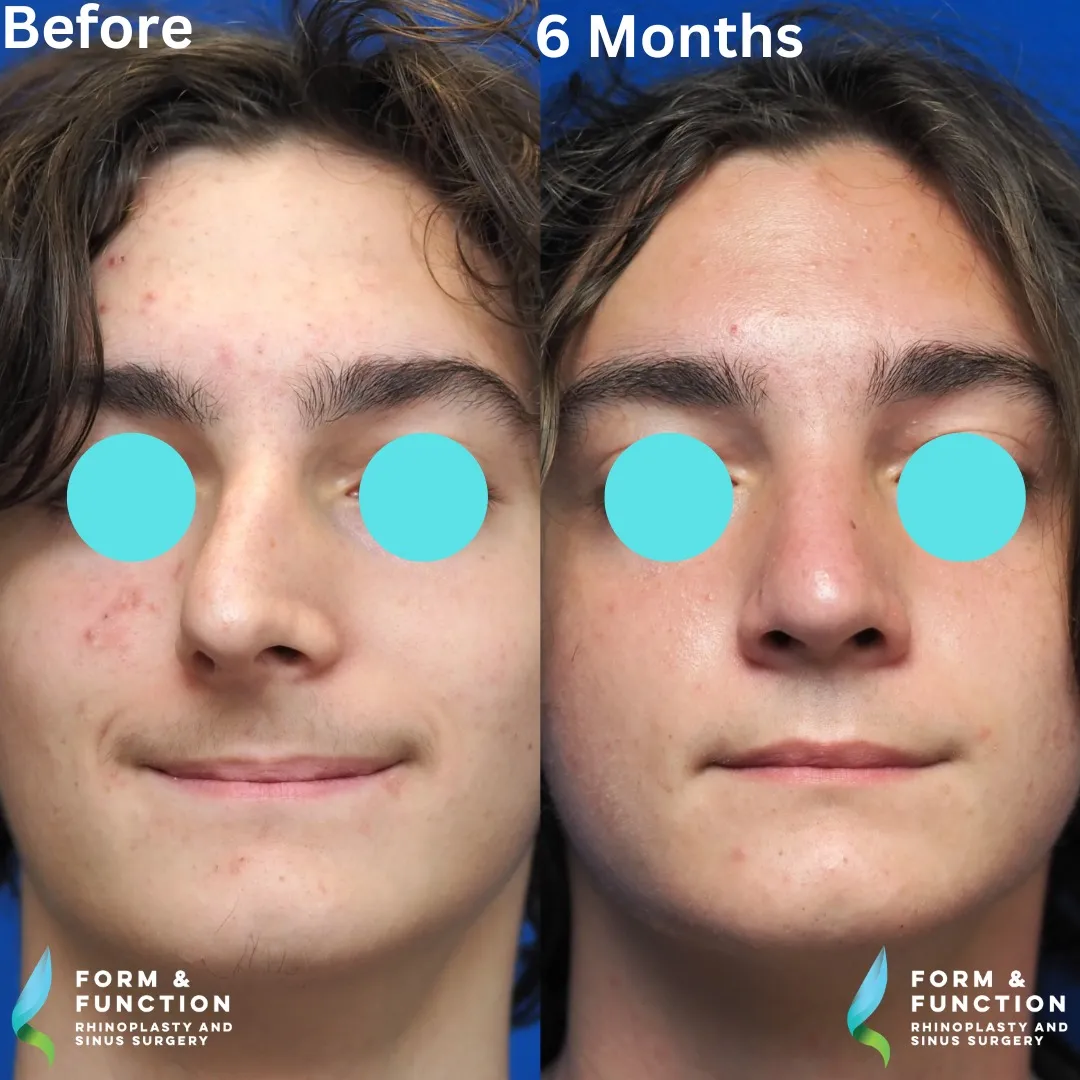
Patients treated for this, with the time since surgery on each photograph.