What it is
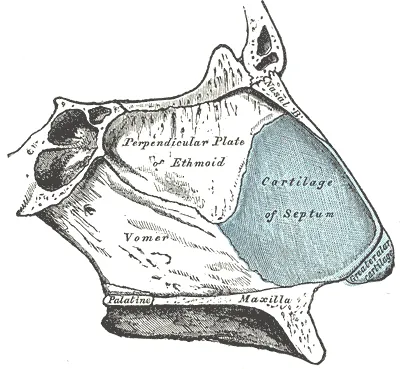
The septum is the wall of cartilage and bone that divides the inside of the nose into a left and a right side. It is rarely perfectly straight. A deviated septum is one that is bent or shifted far enough to narrow one side of the nose, and it is only a problem when that narrowing is what is limiting your breathing. Many people have one and never know.
What causes it
Some people are born with a deviated septum. In others it follows an injury, such as a broken nose from sport, a fall or an accident, sometimes years earlier and sometimes one that was never noticed at the time. A bent septum can also make the outside of the nose look crooked. That is a separate question, and I explain it on the crooked nose page.
What it can cause
The usual complaint is a blocked nose on one side, or one side after the other, that does not behave like a cold or hay fever. It can also bring nosebleeds, noisy breathing at night, and in some people a tendency to sinus trouble when drainage is poor. The symptoms page sets out which problems a deviated septum explains and which it does not.
Snoring and sleep apnoea need a particular mention. A deviated septum can contribute to both, but it is rarely the only cause. They are usually multifactorial, and the size and position of the tongue, the position of the jaw, the pharynx and the tonsils often contribute more than the nose does. Straightening the septum can help you breathe through your nose, but I cannot guarantee that it will fix snoring, and it is not a treatment for sleep apnoea.
How I assess it
I examine the inside of the nose, usually with a fine camera (nasal endoscopy), and I look at the whole airway at the same appointment, because a septum is rarely the only thing narrowing a nose. Swollen turbinates and allergy are common partners, and neither is fixed by straightening the septum.
Treatment
If the bend is not the cause of your symptoms, I will tell you so, and treatment is aimed at what is. Nasal sprays, treatment of allergy and saline irrigation help many people, and I try them first when your symptoms allow it.
When the septum is the problem and the other measures have not worked, the operation is a septoplasty. It straightens the septum from inside the nose, so there is no scar on the face, and it does not change the shape of the outside of the nose. It is almost always day surgery, and most people take 10 days to two weeks off work. If the outside of the nose also needs to change, that is a rhinoplasty, and the two can be done together in one operation.
If your nose is blocked and you want to know whether an operation would change that, contact my rooms. I will tell you what I find, including if the answer is that surgery would not help.
Before and after
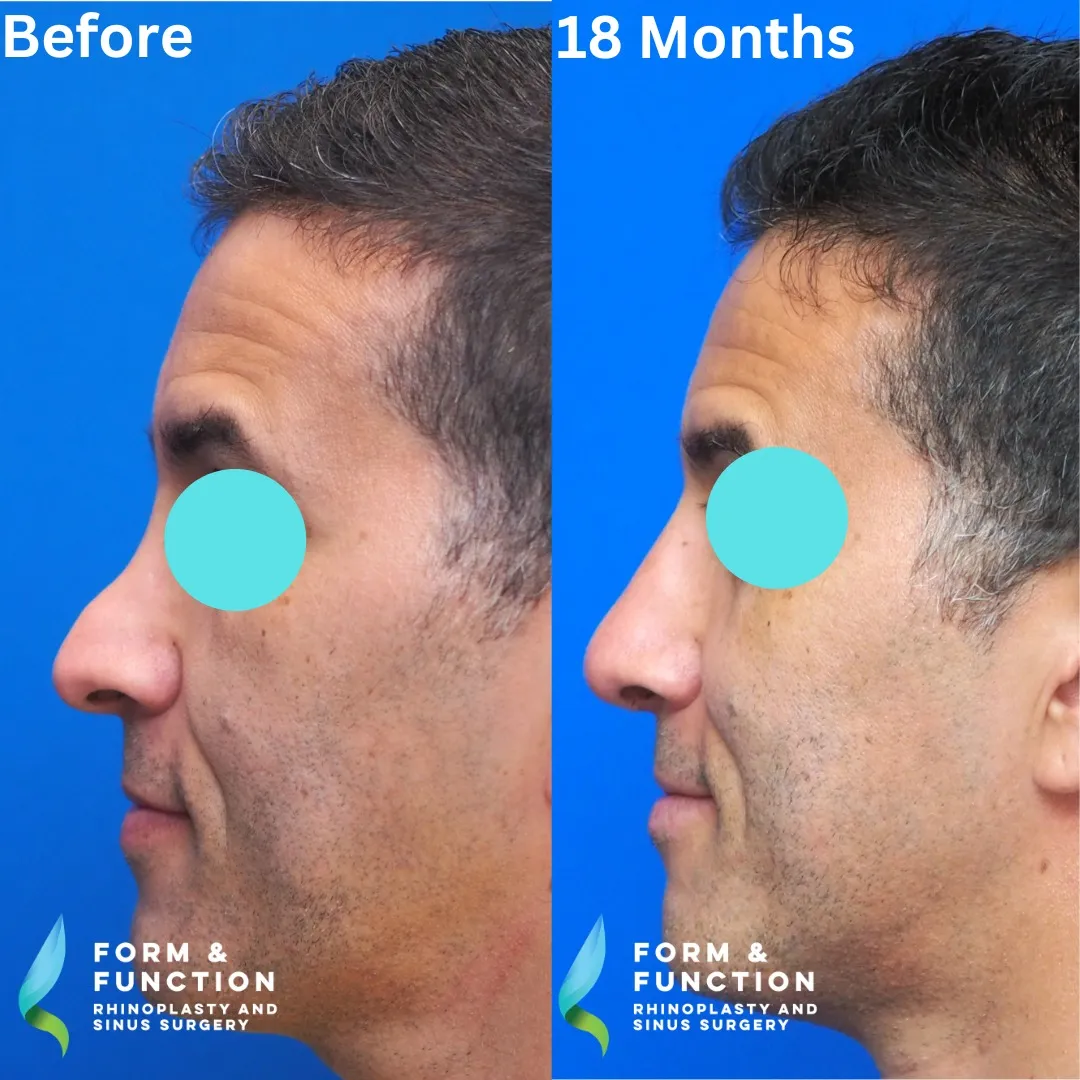
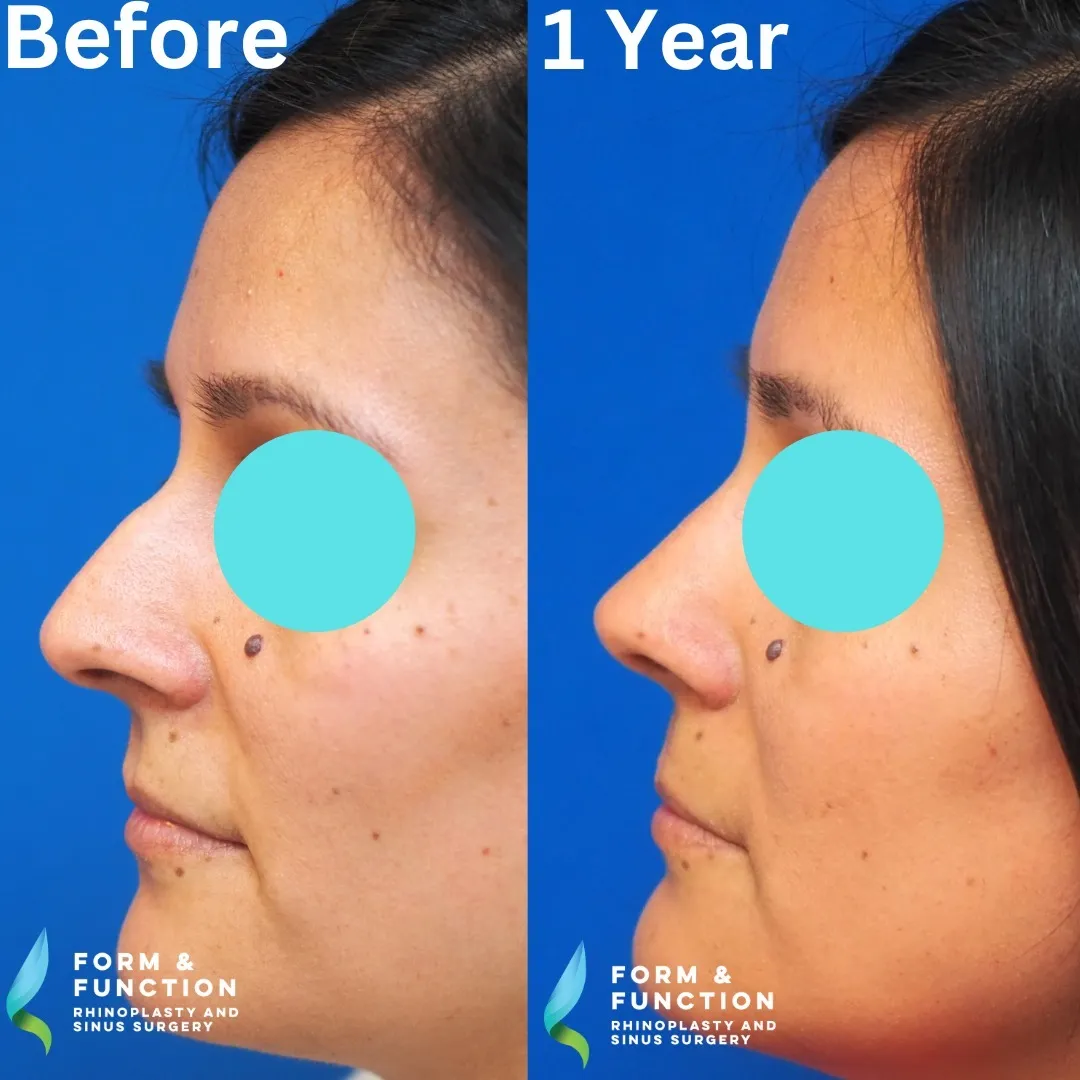
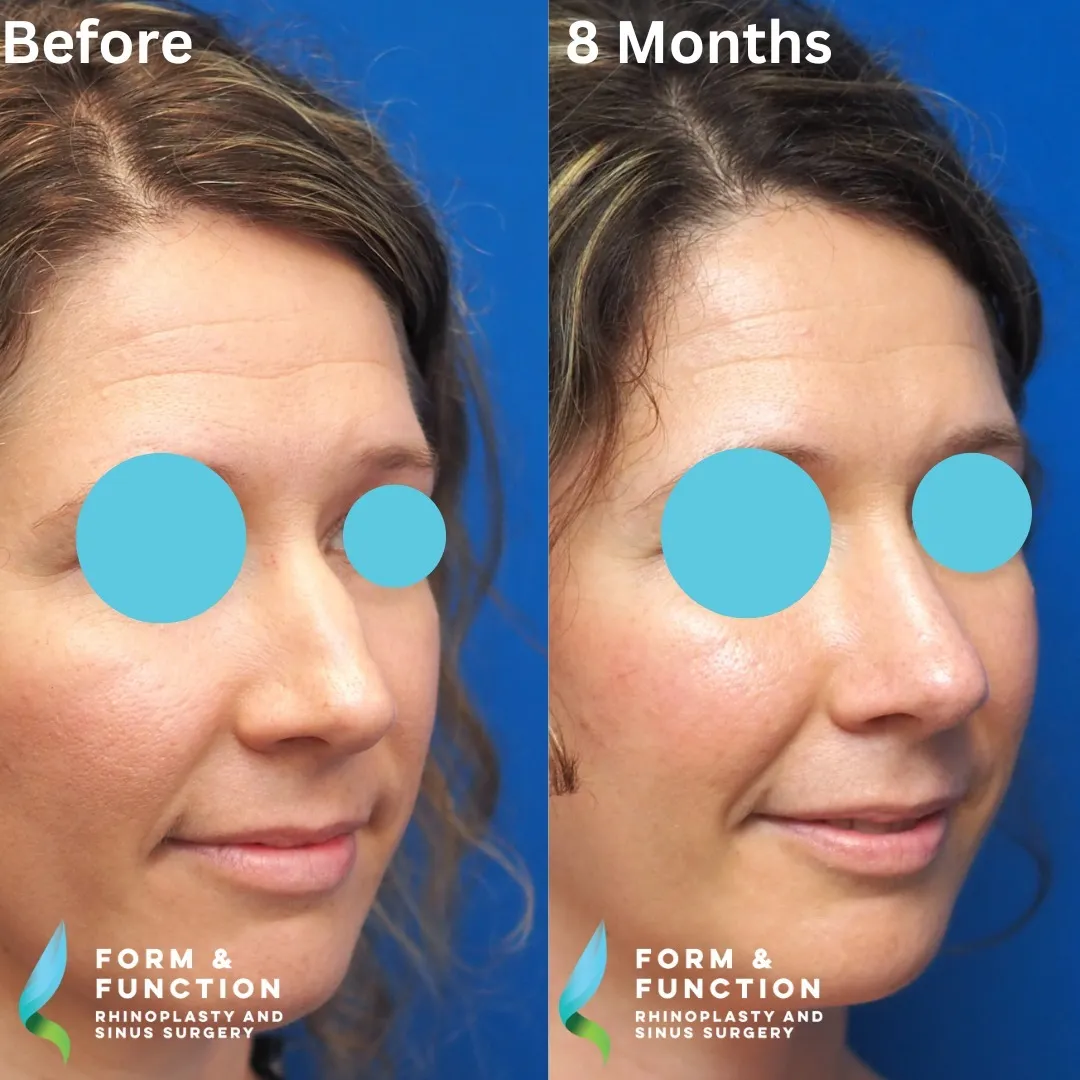
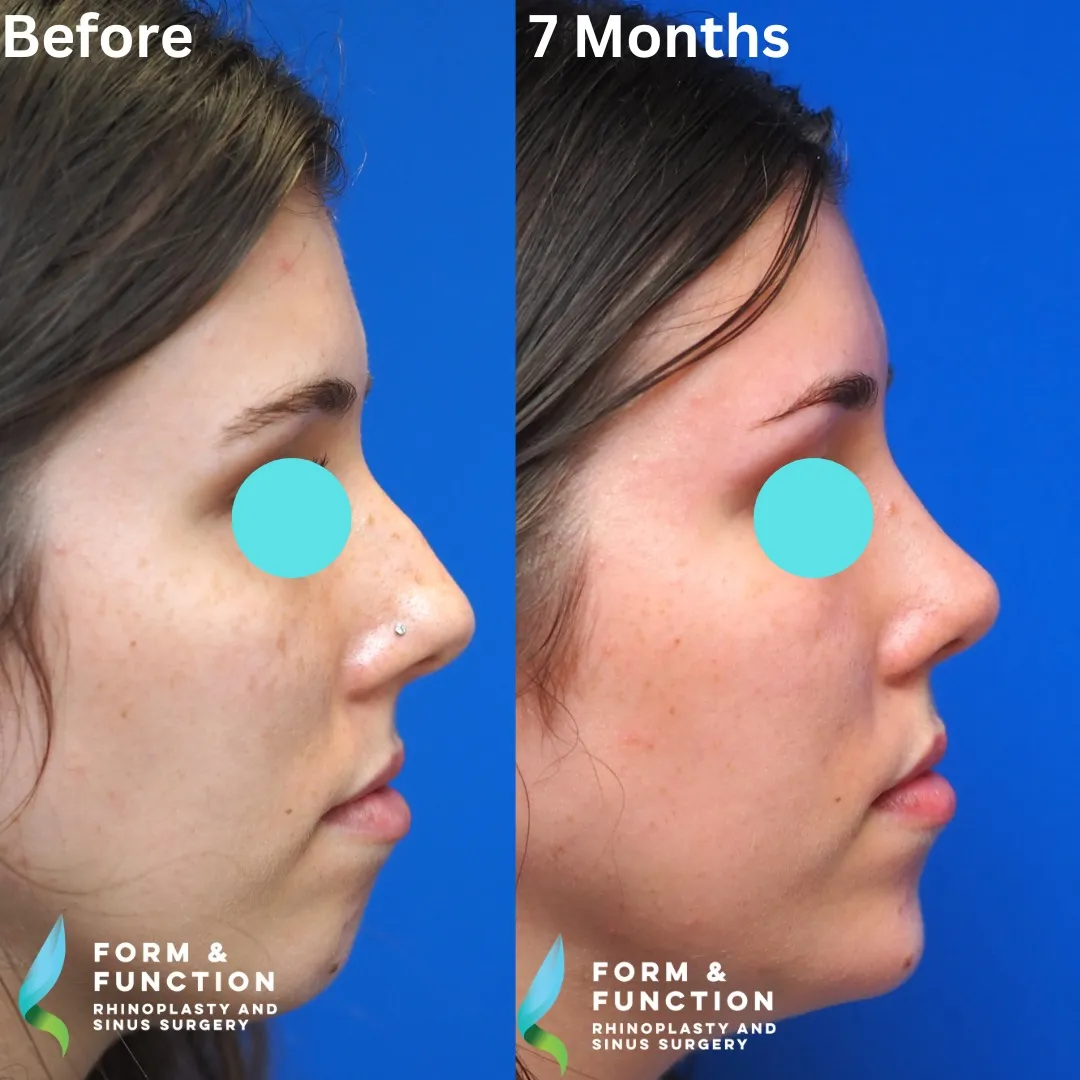
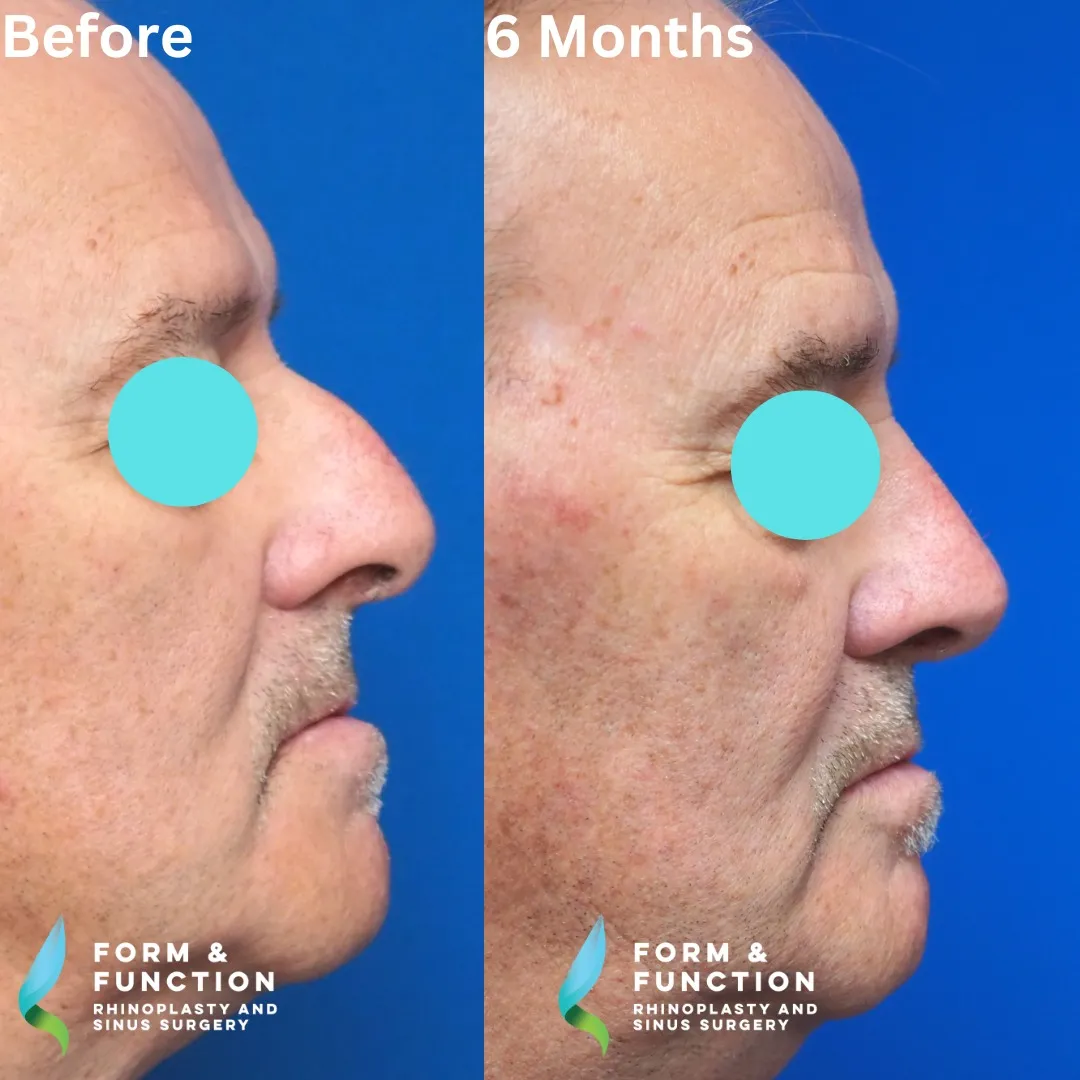
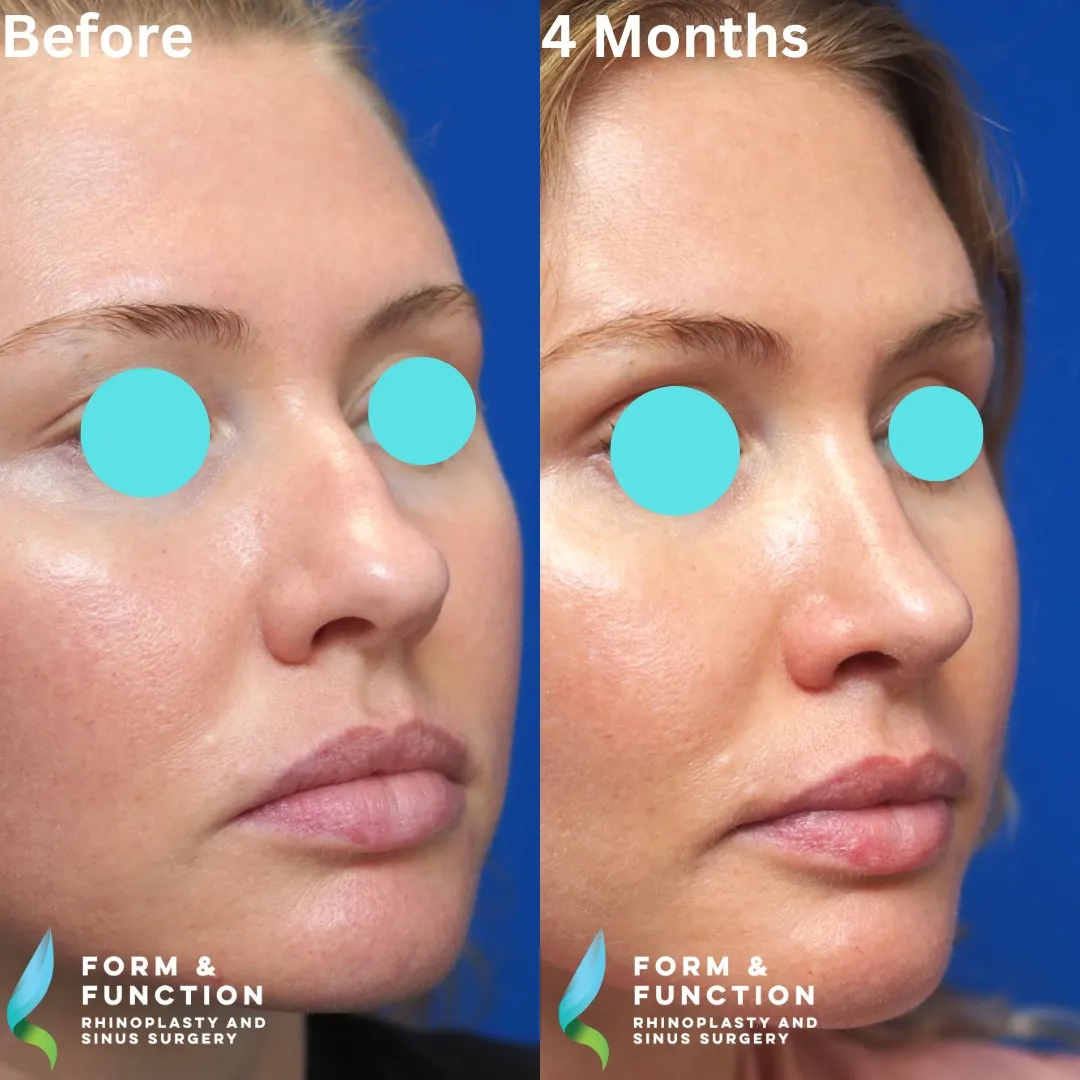
Patients treated for this, with the time since surgery on each photograph.