Most conventional rhinoplasty removes a dorsal hump by cutting it away. The bridge is taken down, which opens the roof of the nose, and the surgeon then rebuilds and closes what has been opened, usually with cartilage grafts.
Preservation takes a different route. Rather than removing the bridge, I lower the whole dorsum as an intact unit by taking bone and cartilage from beneath it.
I use both preservation and conventional structural techniques, and which one suits you is an anatomical decision rather than a preference.
What is being preserved, and why it matters
Three things.
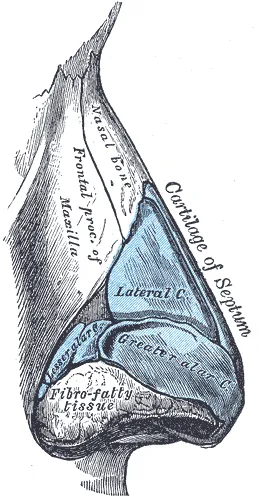
The keystone area, where the nasal bones meet the upper lateral cartilages. This is the structural junction of the nose, and it is where irregularities most commonly appear years later after a conventional reduction.
The dorsal aesthetic lines. The two subtle lines running from brow to tip that define how a nose reads from the front. Once the bridge is cut down, those lines have to be reconstructed. Preserved, they are simply lowered.
The mid-vault. Opening the roof narrows the internal nasal valve, which is the commonest site of breathing obstruction after rhinoplasty. Preservation avoids creating that problem rather than grafting to prevent it.
The practical consequence is less reliance on grafting. Not none, and the tip is still addressed in the usual way, but the middle third of the nose does not need rebuilding because it was never taken apart.
Push down and let down
Two variants, and the difference is where bone is removed to let the dorsum descend.
Push down takes a strip of septum and allows the bony pyramid to sink between the nasal bones. It suits smaller humps and narrower noses.
Let down additionally removes a wedge of bone from the lateral walls, so the pyramid settles rather than sinks. It handles larger humps and wider bony vaults.
I decide which applies at consultation and confirm it at surgery.
I use ultrasonic instruments for the bony work in preservation cases, as I do in all my rhinoplasty. Piezoelectric tools cut bone under direct vision and largely spare the surrounding soft tissue, which matters more here than usual, because the whole approach depends on keeping what is around the nasal bridge undisturbed.
Who it suits
Suits it well: a small to moderate dorsal hump, a relatively straight nasal structure, good dorsal lines that you would keep if the hump were not there, no significant previous nasal surgery, and a preference for subtle change rather than transformation.
Suits it poorly: significant deviation or twist, a very large hump, a dorsum that is irregular rather than smooth, complex breathing problems needing major reconstruction, very thin or very thick skin, and most revision cases where the anatomy has already been altered.
This is the limit of the technique. Preservation is not better for every nose. It is better for some noses, and choosing it where the anatomy does not support it produces a worse result than a well-executed conventional reduction would. Deciding which is which is most of the skill, and it is why the assessment matters more than the technique.
What the evidence shows
Systematic reviews consistently find that preservation produces functional and aesthetic outcomes comparable to conventional structural reduction, with low complication and revision rates in appropriately selected patients. Airway measures are maintained or improved, and patient-reported outcome scores improve significantly.
What the evidence does not show is that preservation is superior. It shows equivalence. Much of the published work is also lower-level evidence, and there are relatively few high-quality comparative studies testing the theoretical advantages directly.
The characteristic complication is recurrence of the hump. Because the dorsum is lowered rather than removed, it can settle back to some degree, and reported rates vary considerably with technique and case selection. This is the specific thing preservation can get wrong that conventional reduction does not.
Preservation is an excellent technique in the right nose and I use it often. Anyone telling you it is the better operation in every case is overstating what is known.
Preservation and ultrasonic are not the same thing
They are frequently confused.
Preservation is an approach to which structures are kept rather than removed. Ultrasonic describes the instrument used to cut bone. They are commonly used together, and I use both, but a nose can be operated on with piezoelectric instruments without preserving the dorsum, and preservation can be performed without them.
I have written separately about what ultrasonic instrumentation does and what the evidence supports, and about how ultrasonic and traditional instruments compare.
What the rules in Australia require
Australia has strict cosmetic surgery regulations, and they exist to support informed decision-making.
A GP referral is required. You must have a referral from your GP or another doctor before being seen for cosmetic rhinoplasty. This gives the surgeon your medical history and gives you time to consider the procedure.
At least two pre-operative consultations, with a seven day cooling off period afterwards, during which surgery cannot be booked or a deposit taken.
Specialist qualifications. Rhinoplasty is among the most technically demanding facial operations. It should be performed by a surgeon with recognised specialist training. I am a Specialist Ear, Nose and Throat, Head and Neck Surgeon, FRACS (ORL-HNS), with a practice focused on the nose.
An accredited facility. Ask where your surgery is performed and confirm the hospital or day surgery is accredited. Accredited facilities meet national safety and emergency standards.
Assessment before surgery. Every patient has a full medical assessment, a psychological screening as required for all cosmetic surgery, and a complete discussion of risks, recovery and alternatives.
A checklist before you proceed
Whichever surgeon you choose:
- Have a referral from your GP or another doctor
- Confirm your surgeon holds recognised specialist qualifications
- Ask which approach is recommended for your anatomy, and why
- Confirm the procedure is performed at an accredited facility
- Make sure you understand the risks, the alternatives, and what recovery involves
- Be cautious of anywhere that pressures you or makes claims that sound certain
Recovery
Bruising for the first two to three weeks, most visible swelling settling over six to eight weeks, and a splint for about the first week. Strenuous activity is avoided for several weeks.
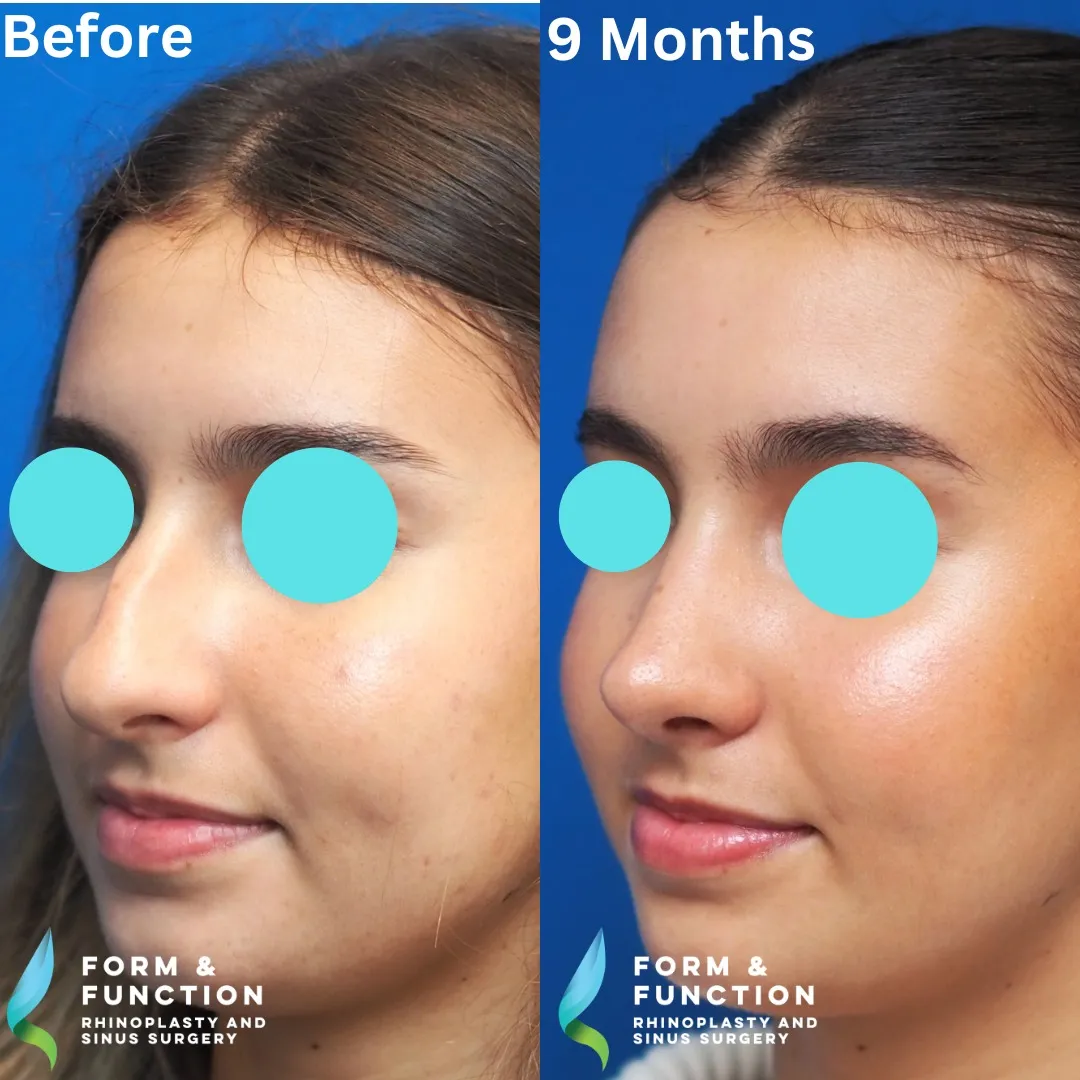
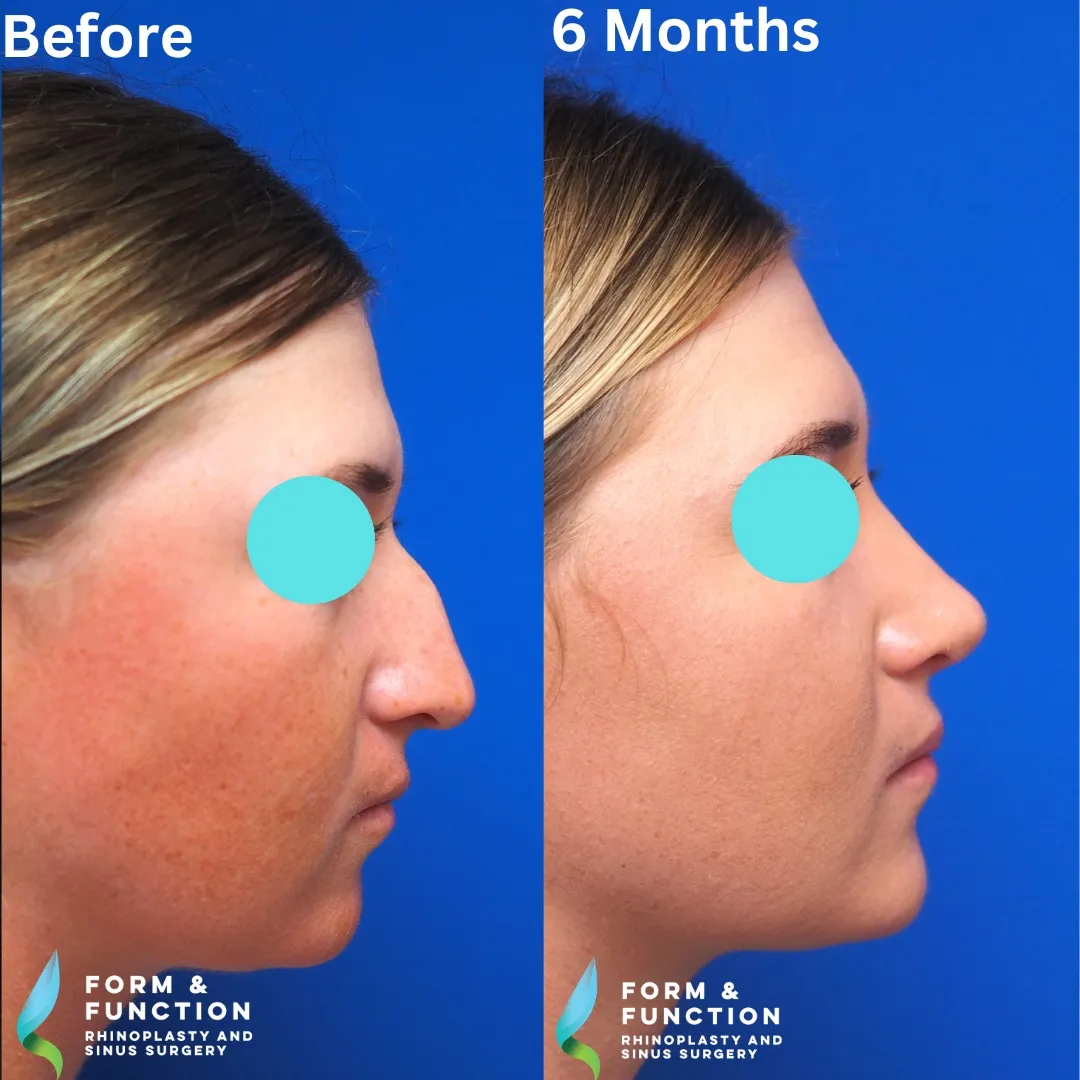
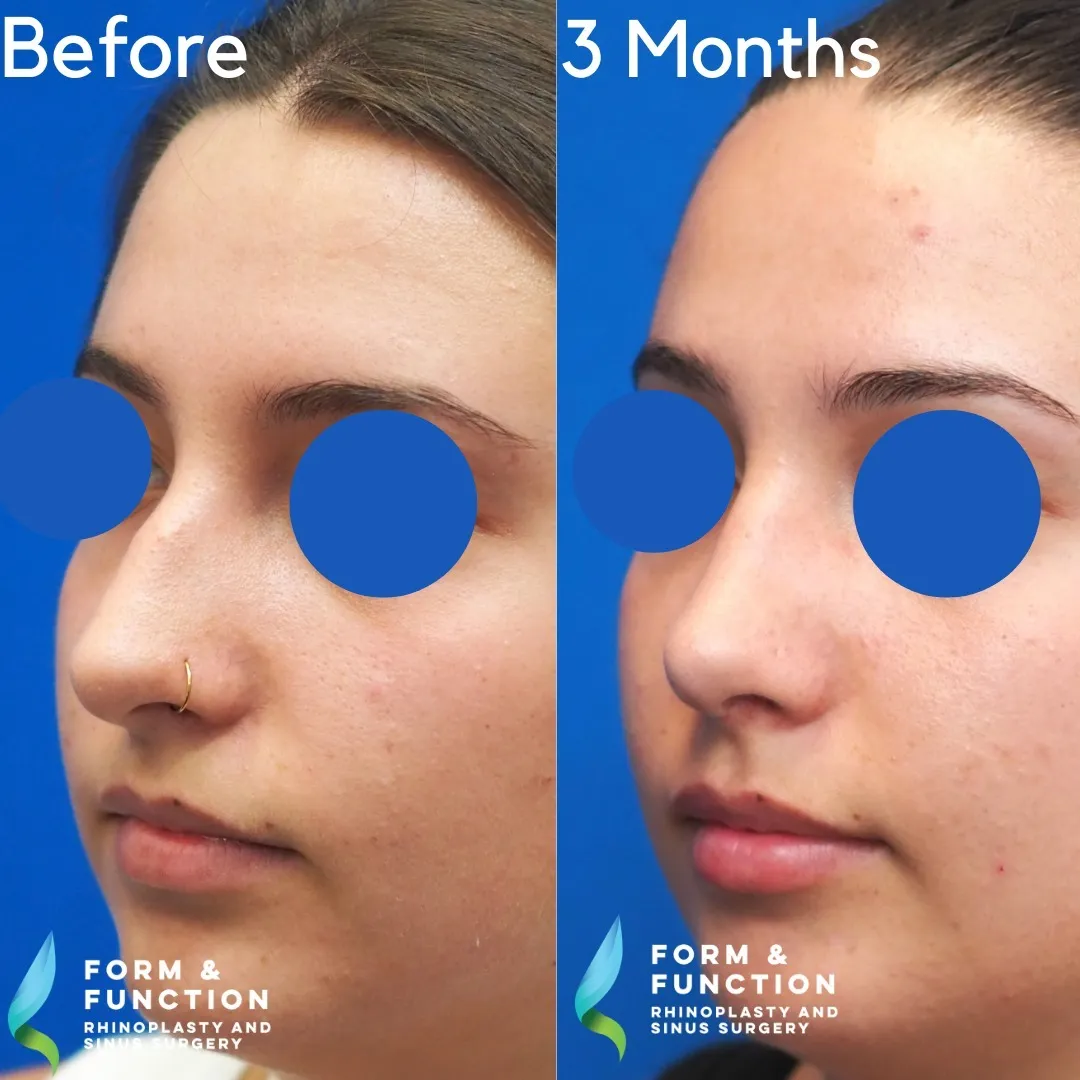
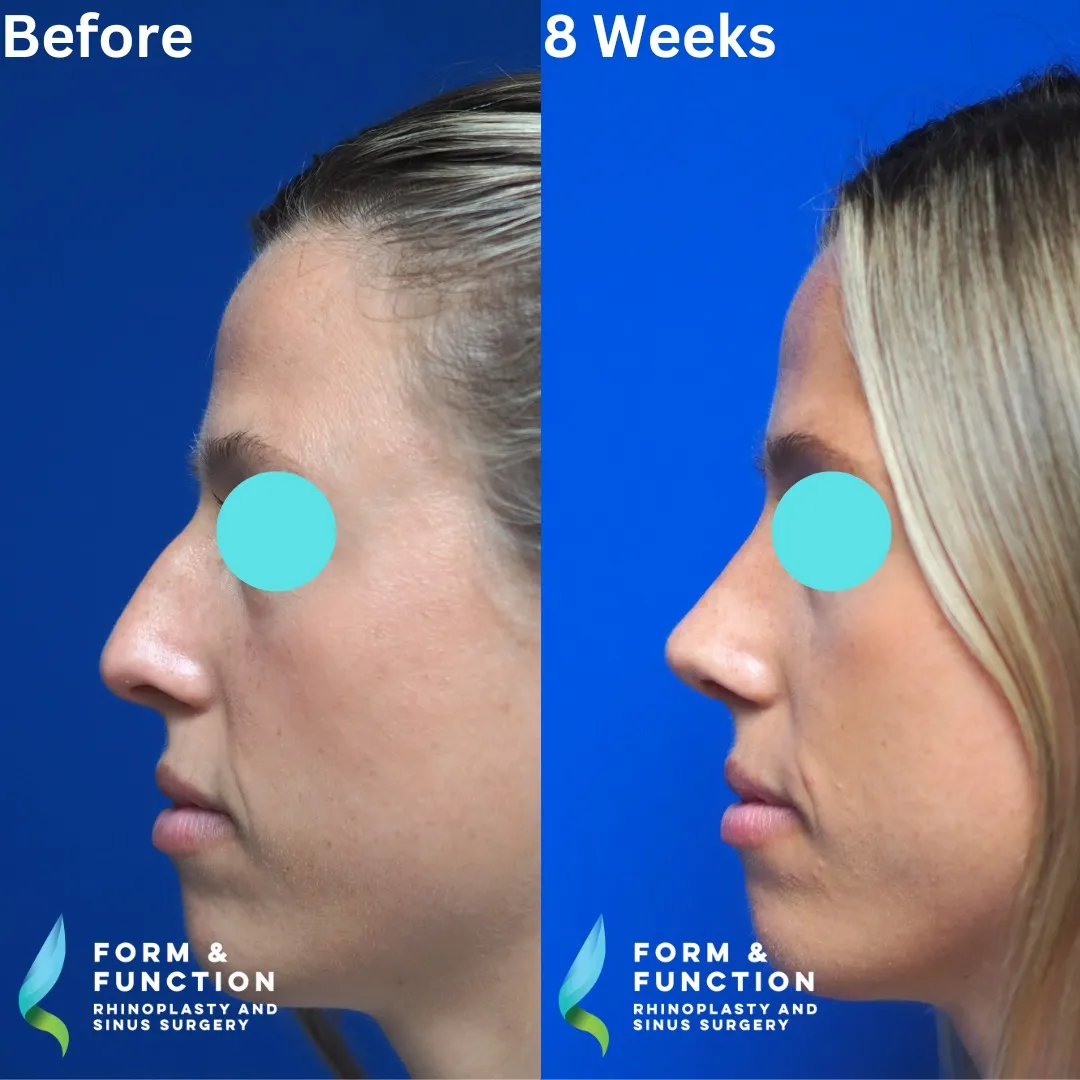
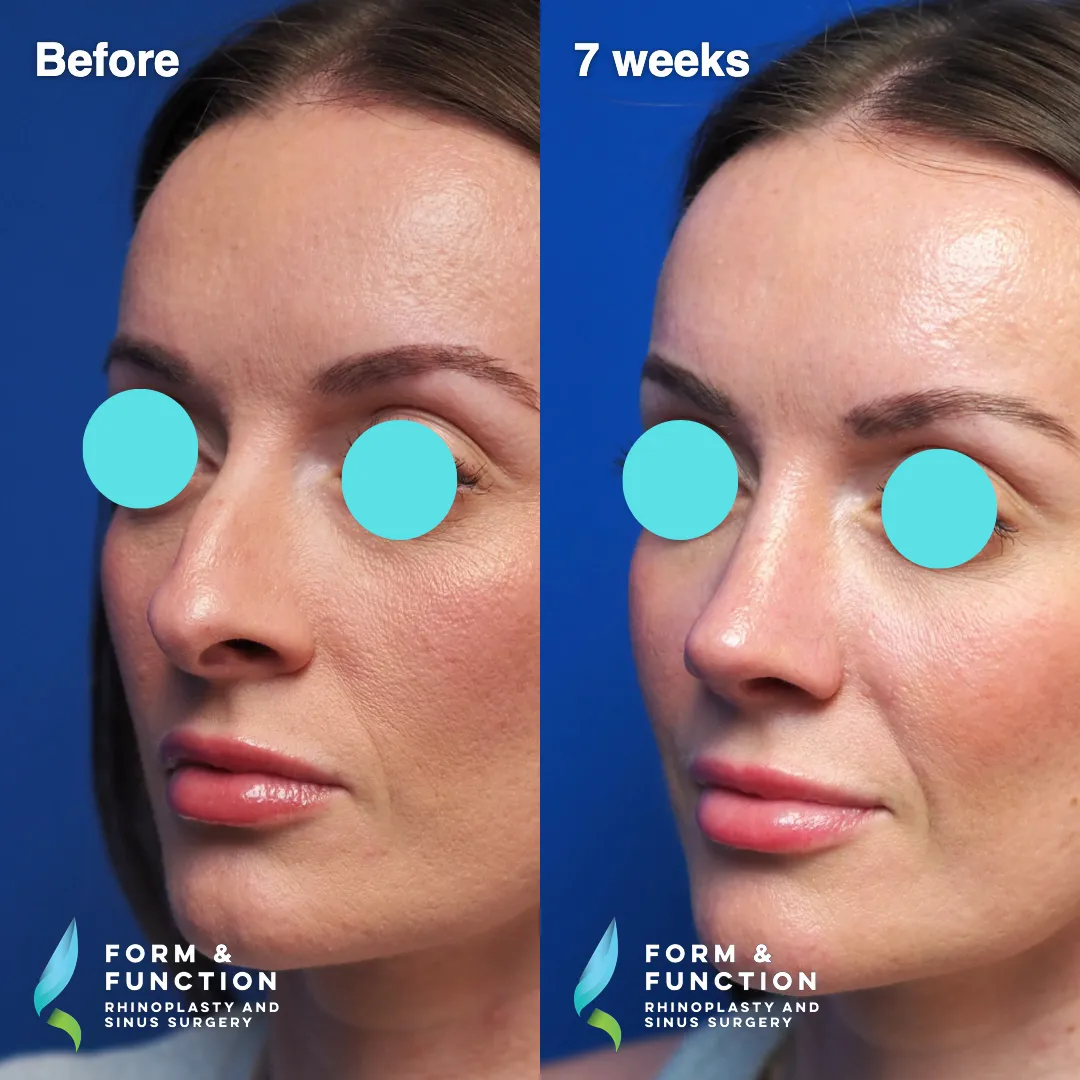
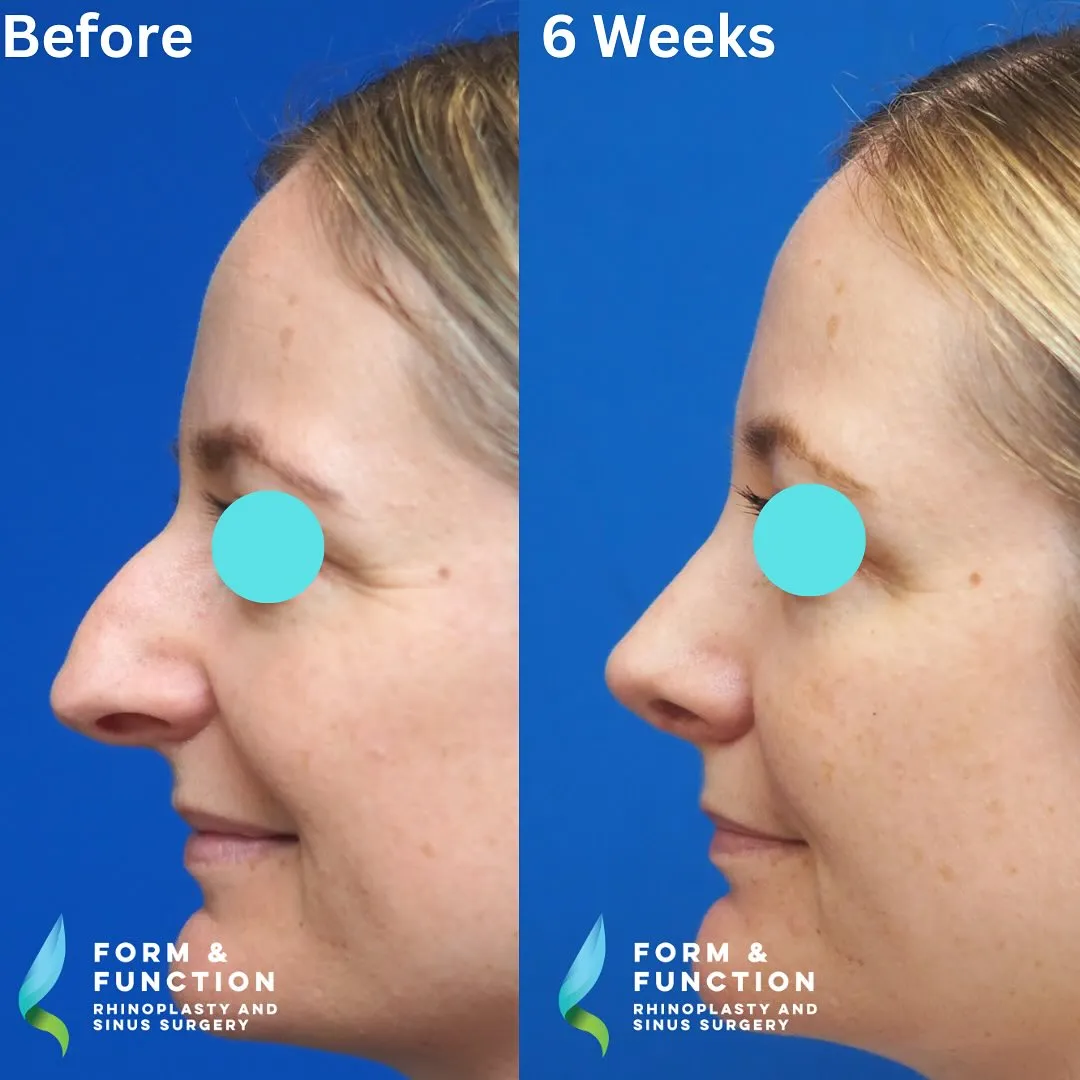
The nose then continues to refine over about twelve months and longer as swelling settles, particularly at the tip and particularly in thicker skin. This is why the photographs in my gallery state how long after surgery each was taken.
You will have a clear follow-up plan and you will know who to contact if something concerns you during recovery. The week-by-week detail is on the recovery page.
Risks
Preservation rhinoplasty carries the same risks as any rhinoplasty: bleeding, infection, changes to breathing, residual irregularity that may need revision surgery, and the possibility that the result is not what you hoped for. Hump recurrence is the risk specific to this technique.
The full discussion of risks and expected recovery is set out in the risks and side effects answers and forms part of every consultation.
Results
Before and after photographs of patients in whom I have used preservation technique are in the gallery, with the time since surgery stated for each. Results vary between patients and no surgical outcome can be guaranteed.
Whether preservation suits your nose is a decision made after examination, not from a website. More about rhinoplasty generally is on the rhinoplasty page, and the cost page explains how fees and rebates work. I see patients from across Queensland and interstate.
Before and after
Patients whose main concern was the bridge of the nose, with the time since surgery stated on each photograph.