That distinction matters more than it sounds. The nasal bones sit directly beneath the skin, wrapped in mucosa, blood vessels and cartilage that all contribute to how the nose looks and breathes afterwards. An instrument that cuts bone and nothing else is working in a very confined space where everything around it is worth protecting.
The term describes the instrument used, and the operation itself is the same. A rhinoplasty using piezoelectric tools is still a rhinoplasty. What changes is how the bony work is done.
Why do I use it?
I use it for every rhinoplasty I perform, not selectively. Two reasons, and both come down to control rather than speed.
The first is precision in shaping. A rasp takes bone away across whatever surface it touches. A piezoelectric tip removes bone exactly where it is placed, and I can work under direct vision rather than by feel. On the bridge of the nose, where a fraction of a millimetre changes the profile, that difference is real.
The second is the osteotomies, the controlled cuts that let the nasal bones be repositioned. Made with an osteotome, these are often performed with limited visibility, and bone can fracture along a line other than the one intended. Made with a piezoelectric instrument, the cut goes where I put it. When you are trying to narrow a bony vault symmetrically, or straighten a nose that has been broken, that predictability matters.
What I notice most in my own practice is how patients look in the first week or two. Less bruising, and less of the swelling around the eyes that people find most confronting. That is not the reason to choose an instrument on its own, but it makes the early recovery a good deal easier to live through, and patients notice it.
What does the evidence show?
The benefits of the technique are often overstated, so it is worth being precise.
The effect on early recovery is well supported. Multiple randomised trials, and several meta-analyses pooling them, show significantly less swelling and bruising in the first postoperative week with piezoelectric osteotomy compared with conventional technique. The most recent and highest-quality of these, a GRADE-assessed review of randomised trials published in 2026, found reduced swelling at days 2 and 7, reduced bruising at days 1, 2 and 7, and less pain at day 2. It also found that damage to the mucosal lining, which happens with conventional osteotomes, occurred in none of the piezoelectric cases.
Operative time is not meaningfully different, despite the common assumption that the technique takes longer.
One caveat. The clearest advantage is over osteotomies performed blind. Compared with osteotomy done under direct vision, at least one analysis found no significant difference. So part of what the technique delivers is the ability to see what you are cutting, which is available to any surgeon working in an open approach with care, and is not unique to the instrument.
And what the evidence does not show: that the nose looks better at twelve months. The final result depends on planning, on the cartilage work, and on how you heal. No instrument changes that.
What it does not change
These points are often left out.
It does not make rhinoplasty a minor procedure. Same operation, same risks, and the same twelve-month timeline before the final result is apparent. The swelling settles faster in the first fortnight. It still takes a year for the nose to fully settle.
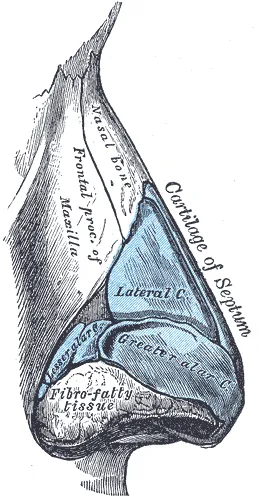
It does not affect the cartilage work. Piezoelectric instruments cut bone. The tip and the middle third of the nose are cartilage, and for many patients that is the larger part of the operation and the larger part of what determines the result.
It is not the same as preservation rhinoplasty. Preservation is a philosophy about which structures to keep rather than remove. Piezoelectric instrumentation is a tool. They are often used together, and I use both, but they are separate ideas. I have set out how preservation works and who it suits separately.
It does not substitute for planning. A better instrument in the hands of someone who has not decided what the nose should look like does not produce a better nose.
Where it makes the most difference
I use it for every rhinoplasty, so the question is not when to reach for it but where it contributes most.
The gain is greatest wherever the bony work matters:
- Reducing a dorsal hump
- Narrowing a wide bony vault
- Straightening a deviated nose where the bones are involved
- Revision surgery, where previous osteotomies have left irregularities and the bone is already disrupted
Where a patient’s concern sits entirely in the tip, the bony work is minimal and so is the contribution of the instrument. The tip is cartilage, and cartilage work is done by hand regardless.
More on what I treat and how the whole procedure works is on the rhinoplasty page. If you want the instruments set against the traditional ones side by side, see traditional and ultrasonic rhinoplasty compared. Fees and rebates are covered on the cost page.
Risks
Rhinoplasty carries risk whatever instruments are used. Bleeding, infection, changes to breathing, residual irregularity that may need revision surgery, and the possibility that the result is not what you hoped for all apply here as they do to any rhinoplasty.
The full discussion of risks is set out in the risks and side effects answers, and forms part of every consultation. What to expect in recovery is on the recovery page.
Results
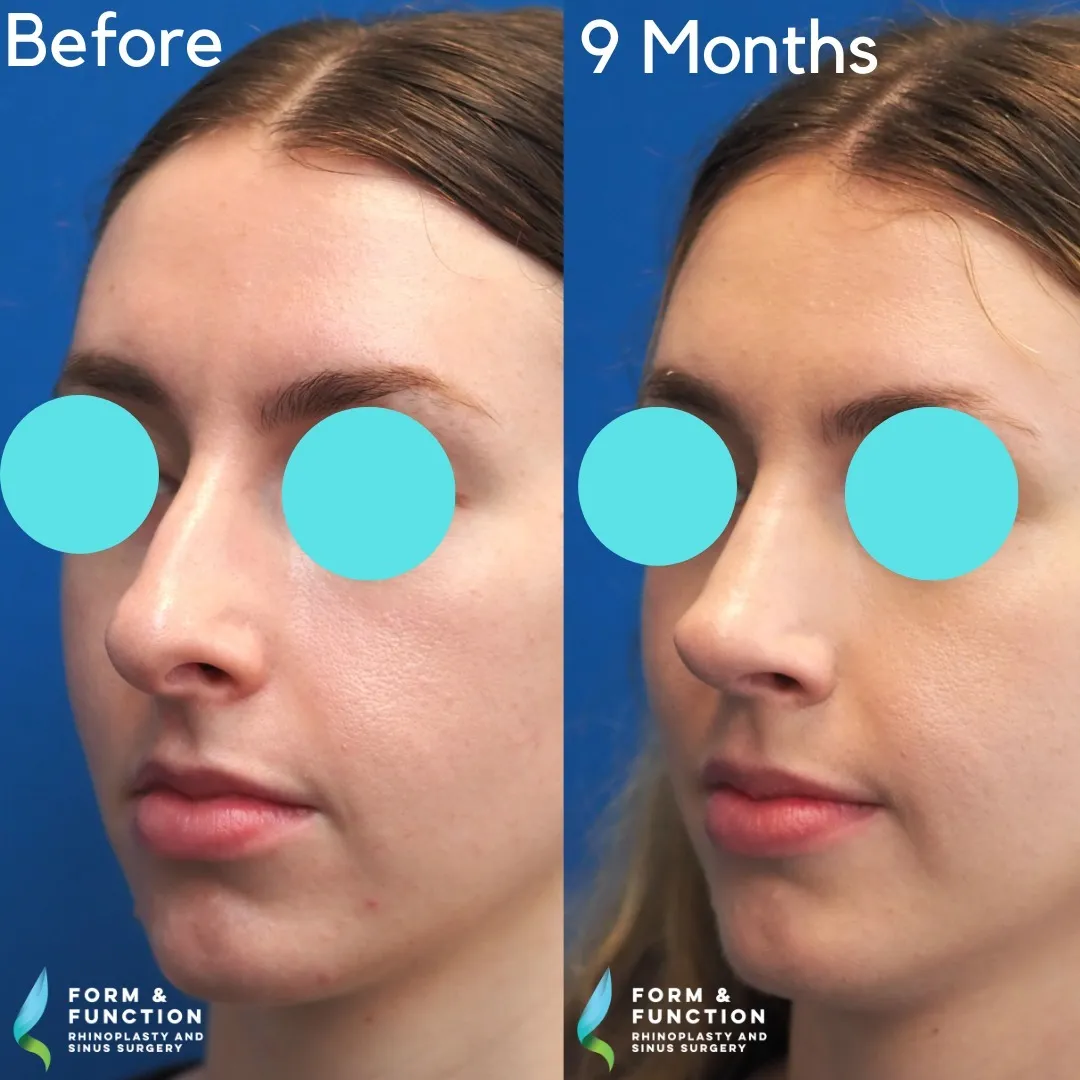
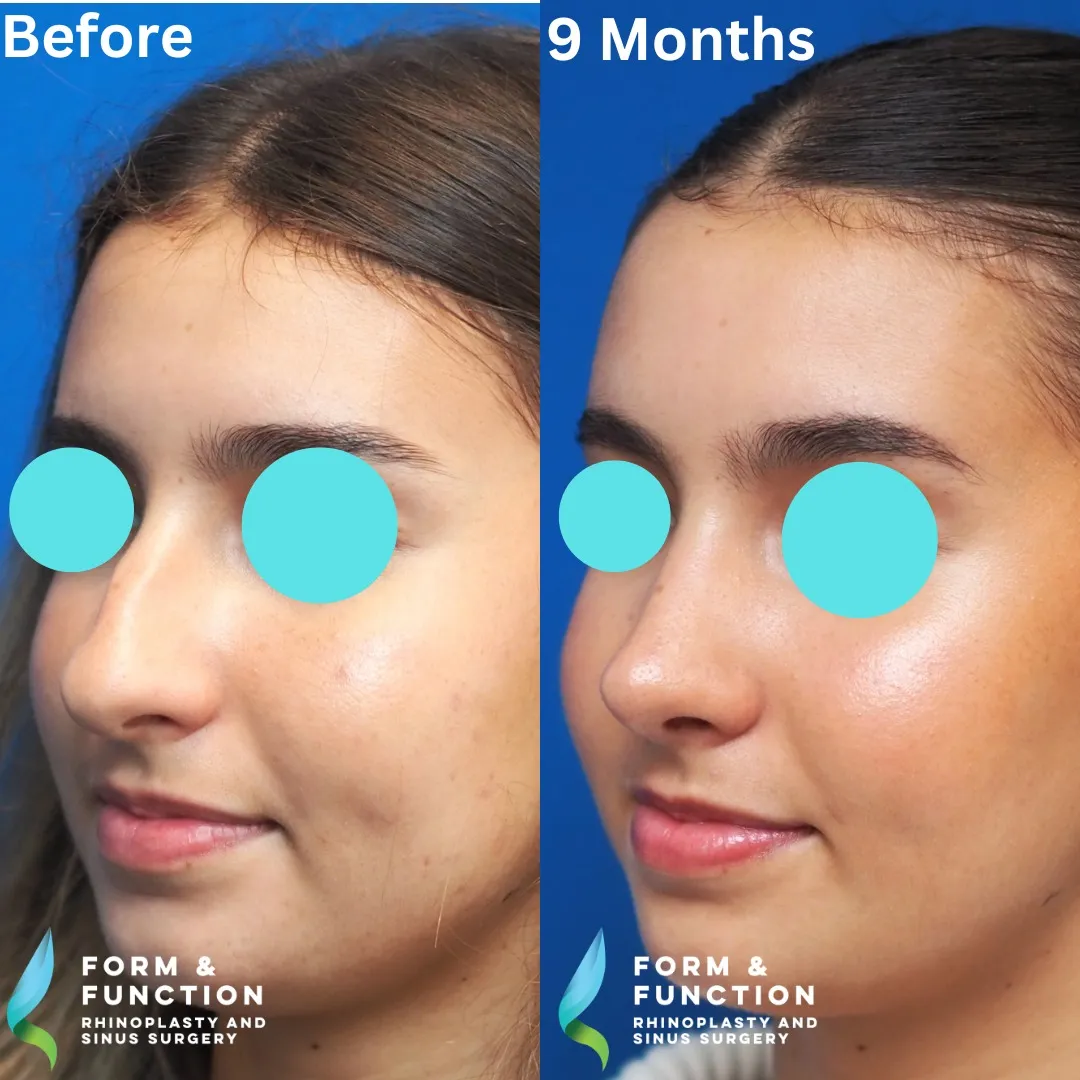
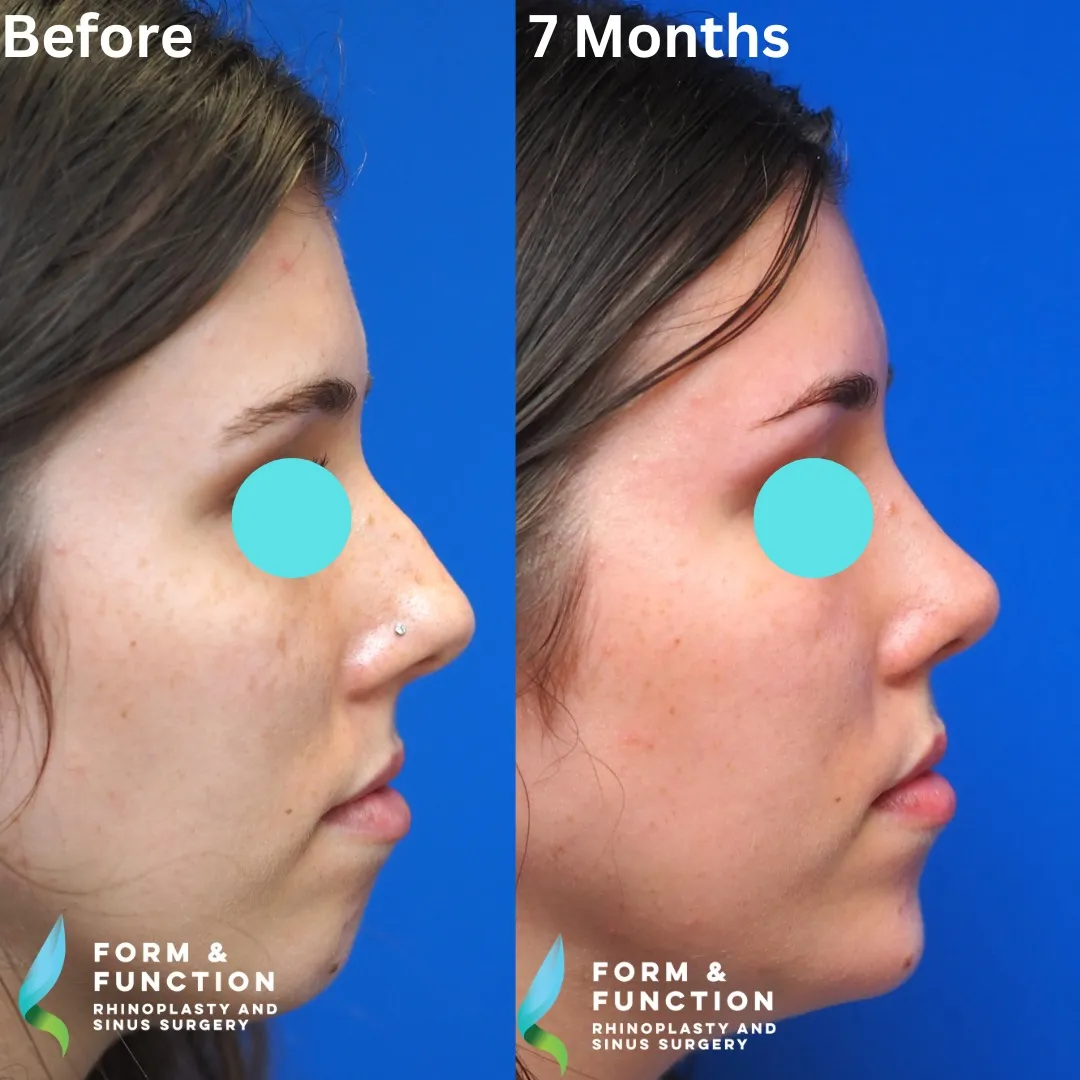
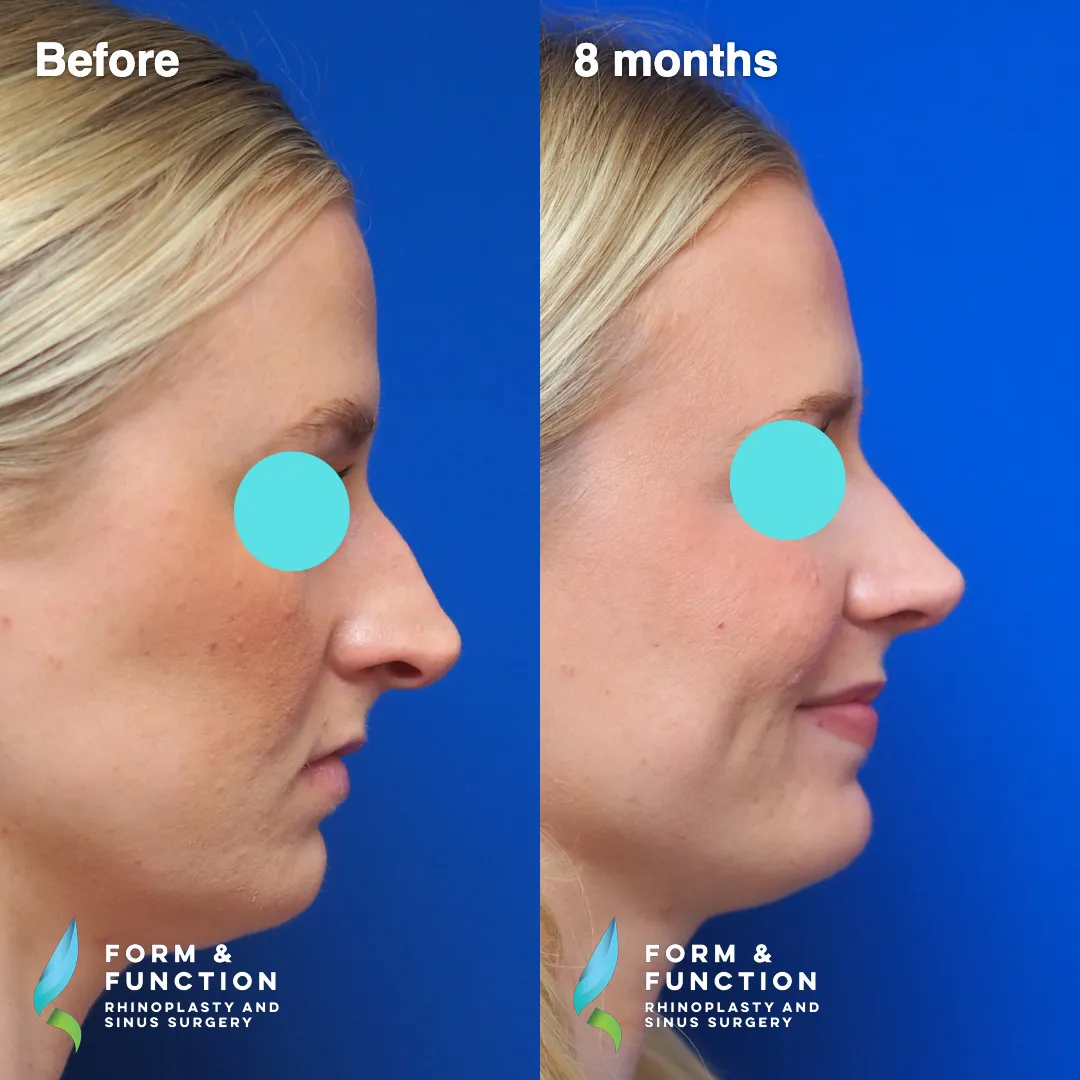
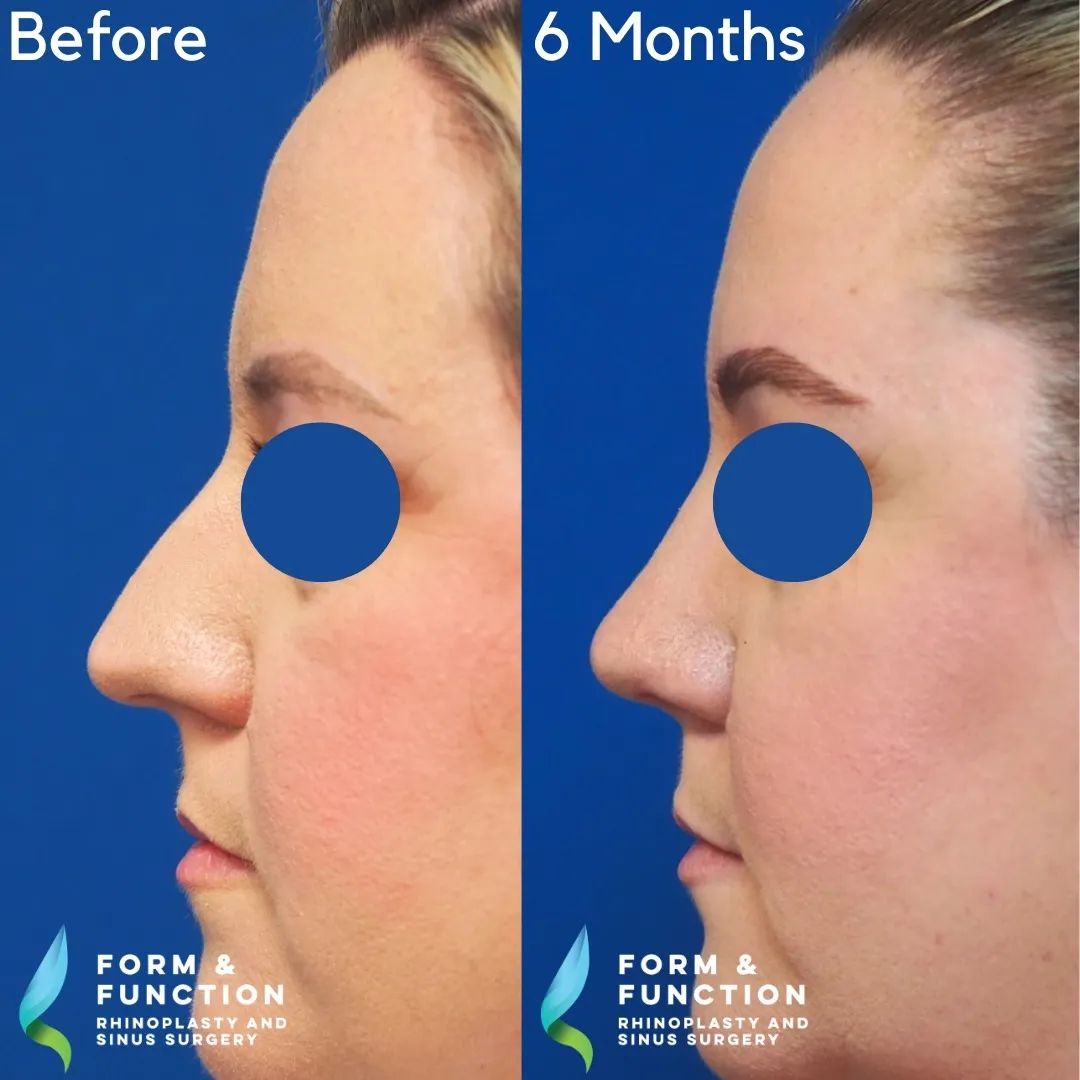
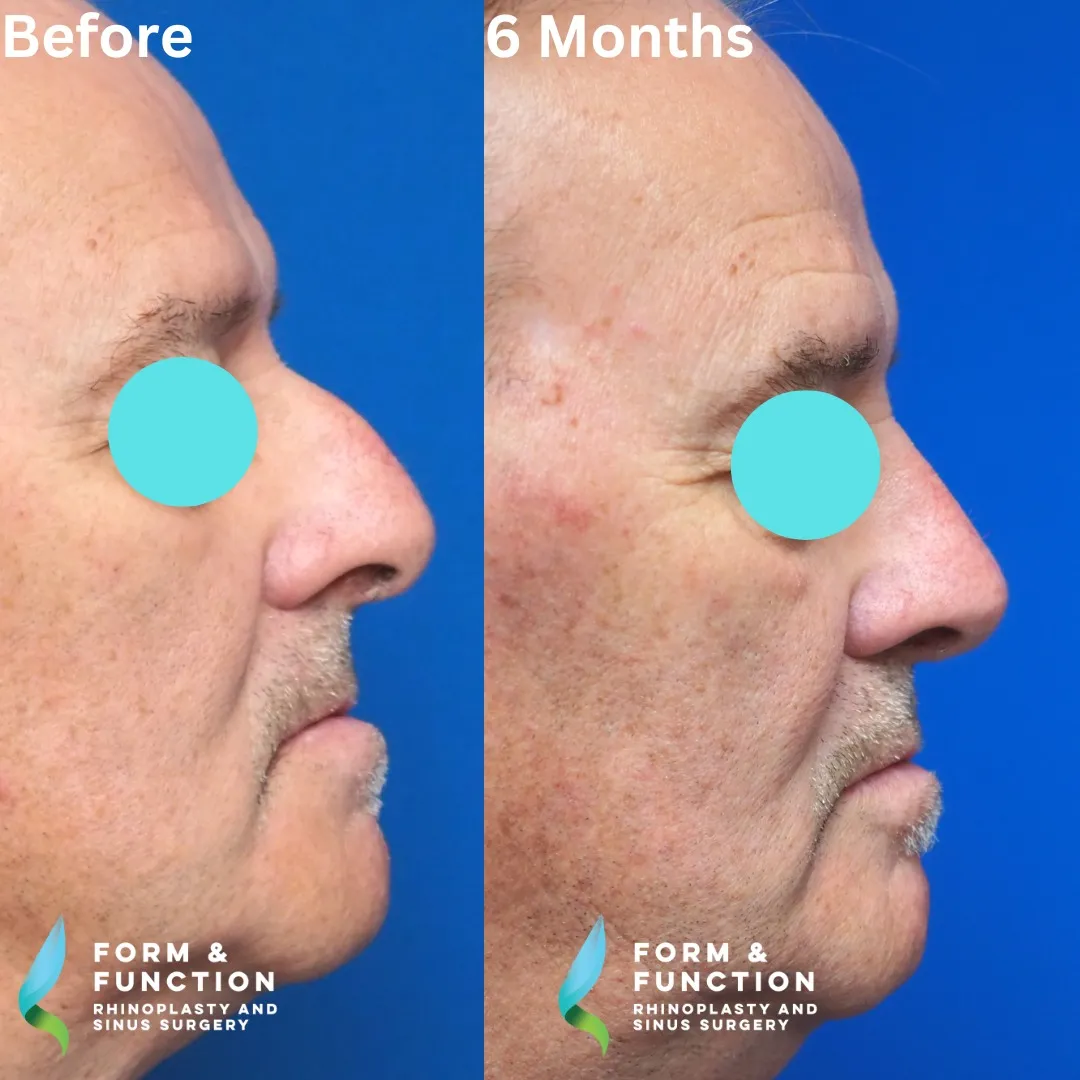
Photographs of patients on whom I have used this technique are in the gallery, with the time since surgery stated for each. Results vary between patients, and no surgical outcome can be guaranteed.
Before and after
Patients whose main concern was the bridge of the nose, with the time since surgery stated on each photograph.