I am an ENT surgeon, and I plan each operation around both the appearance and the function of the nose.
What rhinoplasty is
Rhinoplasty, commonly known as a nose job, is a surgical procedure that reshapes the external structure of the nose. Many patients choose it for cosmetic reasons, such as reducing a hump, refining the nasal tip, or correcting asymmetry. Functional rhinoplasty can also improve nasal airflow when structural issues are involved.
It is also chosen by patients who want to correct deformity from injury. It can be performed alone or together with septoplasty, especially when breathing problems are also a concern.
What septoplasty is
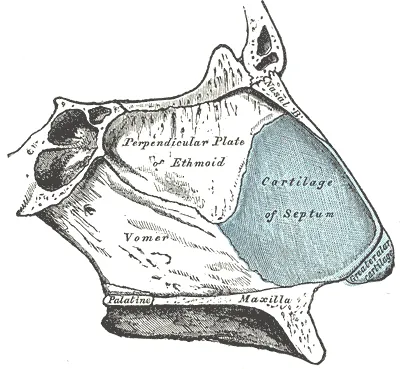
While rhinoplasty focuses on the outer shape of the nose, septoplasty targets the internal nasal structure, specifically the nasal septum, which is the cartilage and bone that separates the nostrils. A deviated septum can cause nasal blockages, snoring, frequent sinus infections, and difficulty breathing.
Septoplasty straightens the septum and restores clear airflow. It is a functional procedure, does not change the shape of the nose, and always attracts a Medicare rebate.
The key differences
While both procedures involve the nose, their goals are distinct:
- Rhinoplasty aims to change the appearance of the nose, often for cosmetic reasons but sometimes for functional improvement.
- Septoplasty addresses internal structural issues, specifically to improve breathing and resolve medical conditions like a deviated septum.
- Rhinoplasty is commonly considered elective, whereas septoplasty is done for a medical reason.
- Septoplasty can be performed on its own or combined with rhinoplasty in a single procedure for both cosmetic and functional outcomes.
Many patients need both procedures. In these cases, I combine the two into one operation, so there is one anaesthetic and one recovery rather than two.
When to consider nasal surgery
You may benefit from nasal surgery if you experience:
- Ongoing difficulty breathing through your nose
- Snoring or sleep-disordered breathing
- Chronic sinus infections
- Facial pressure or headaches
- Visible nasal asymmetry or bumps
- Previous nasal trauma or injury
Whether your concern is cosmetic, functional, or both, an examination is what determines which operation would help, and that is what the consultation is for.
Ultrasonic technique
For the bony part of a rhinoplasty, such as removing a hump, I use a piezoelectric (ultrasonic) instrument. It changes how the bone is cut, not which operation is done. The risks are the same, and so is the twelve-month wait for the final result.
Septoplasty and sinus surgery
When a deviated septum contributes to chronic nasal congestion or sinusitis, it may be appropriate to combine septoplasty with sinus surgery. Conditions like nasal polyps, enlarged turbinates, or nasal valve collapse may also be addressed during the same procedure.
I regularly operate on the septum and nasal airway to help patients breathe better and sleep more soundly.
Cost
Cost is a common concern for patients exploring nasal surgery. Septoplasty always attracts a Medicare rebate. Rhinoplasty attracts one only where the Medicare criteria are met: a NOSE Scale score above 45, or a significant acquired, congenital or developmental deformity. The cost page sets out how fees and rebates work.
At your consultation I will explain what applies to you, and my rooms will help you work out your eligibility for cover. Recovery from either operation is described on the recovery page.
Choosing a surgeon
My training is in ENT surgery and my practice is the nose, which means the breathing and the shape are assessed by the same person at the same appointment.
If you are not sure which of the two applies to you, that is a reasonable reason to come in. Working it out is the point of the assessment.
Before and after
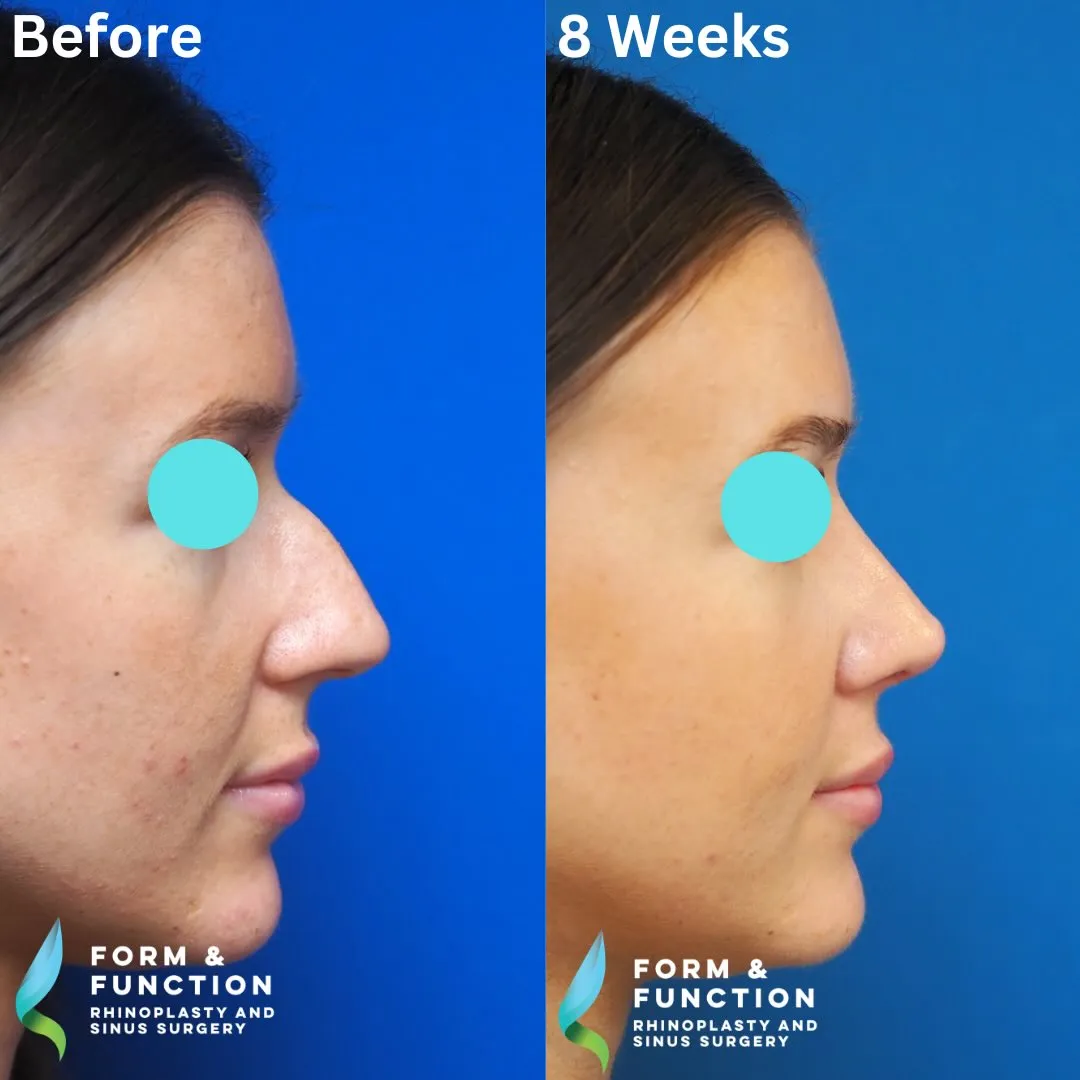
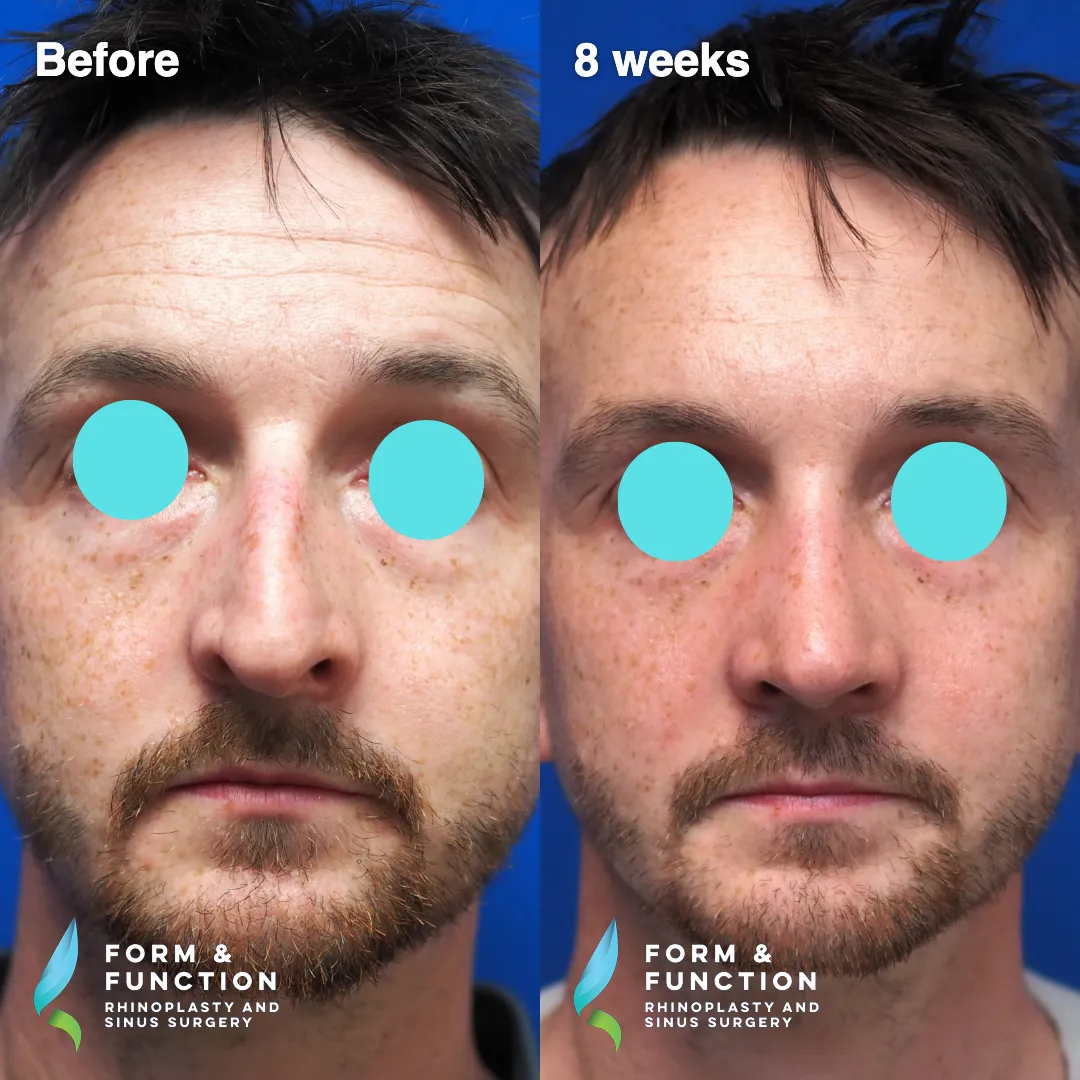
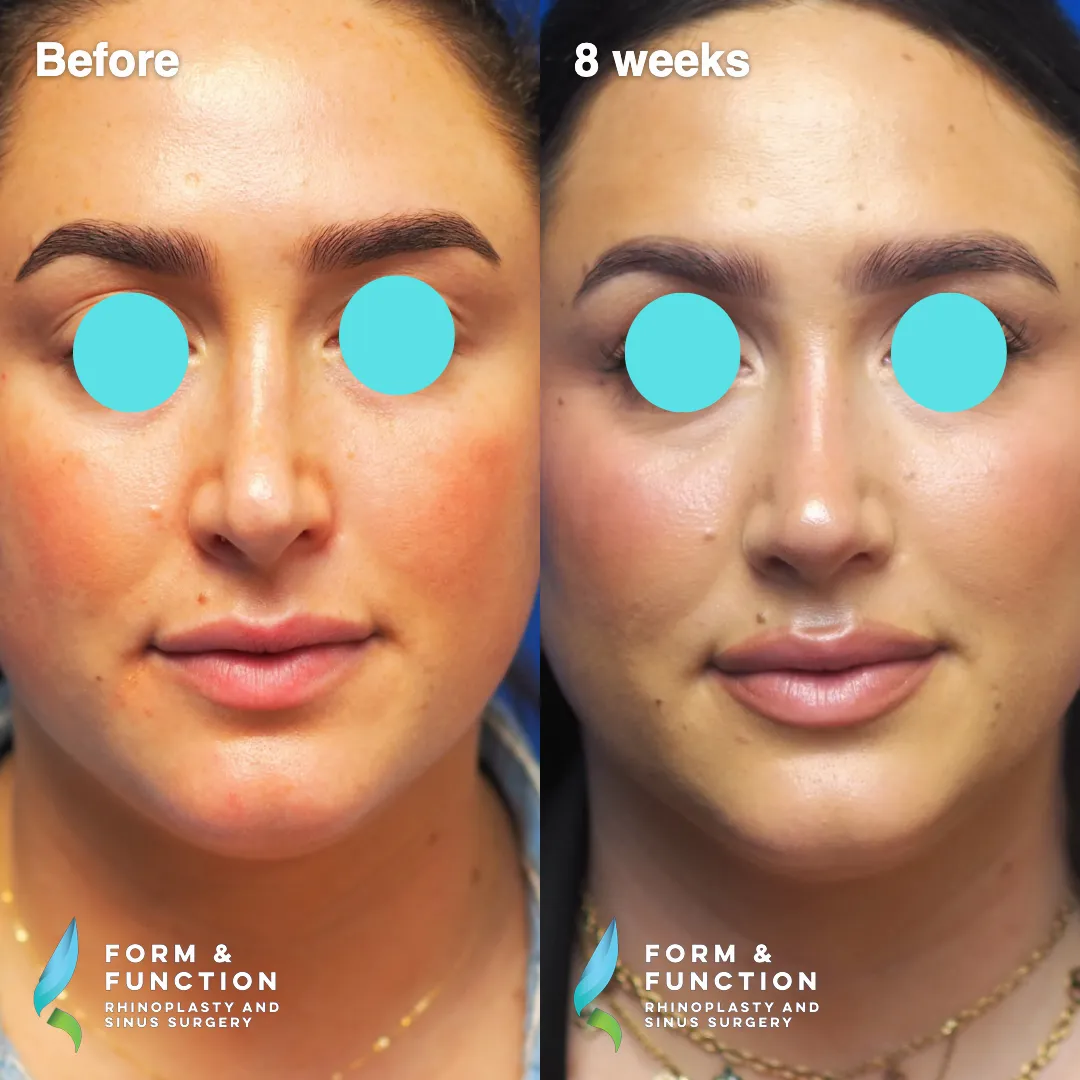
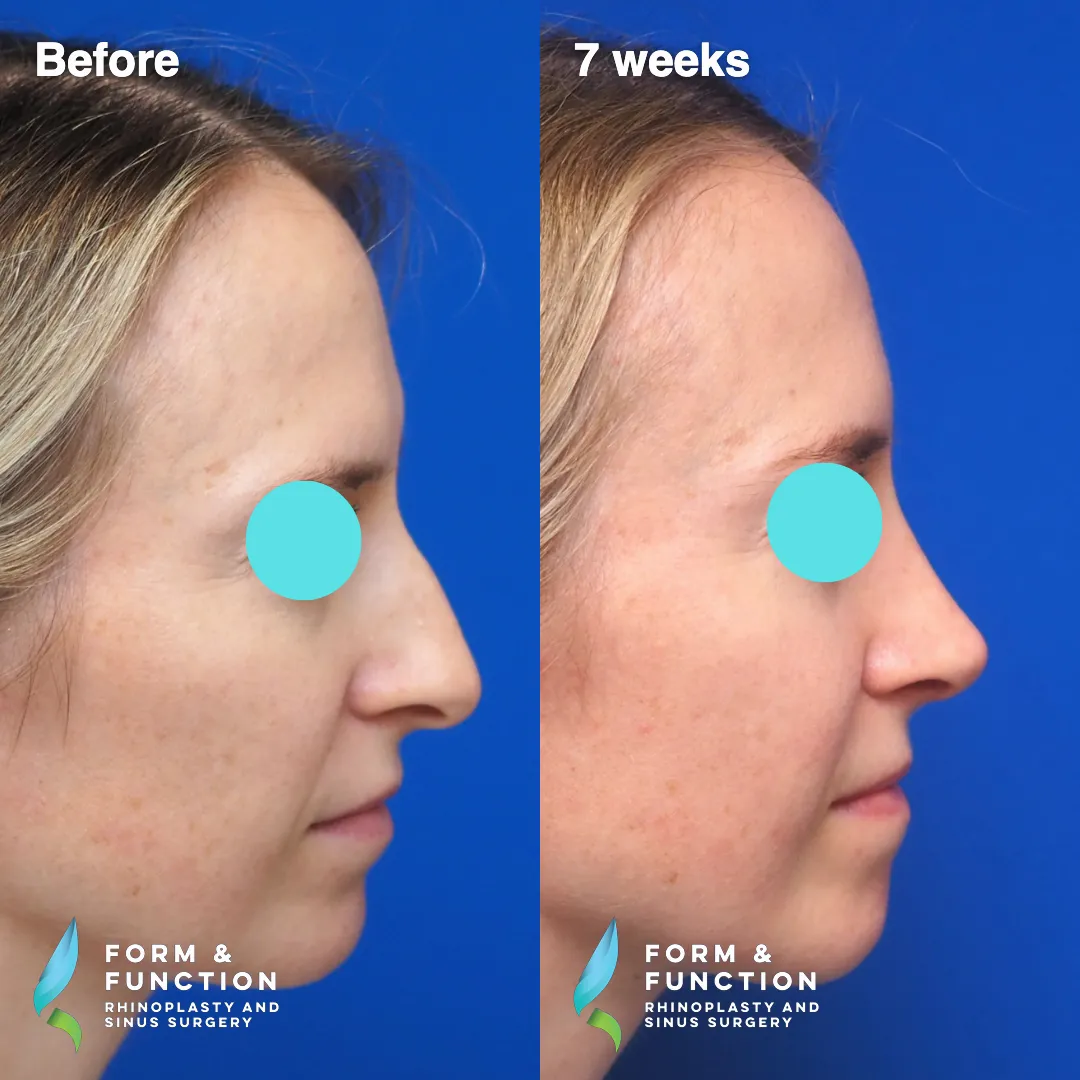
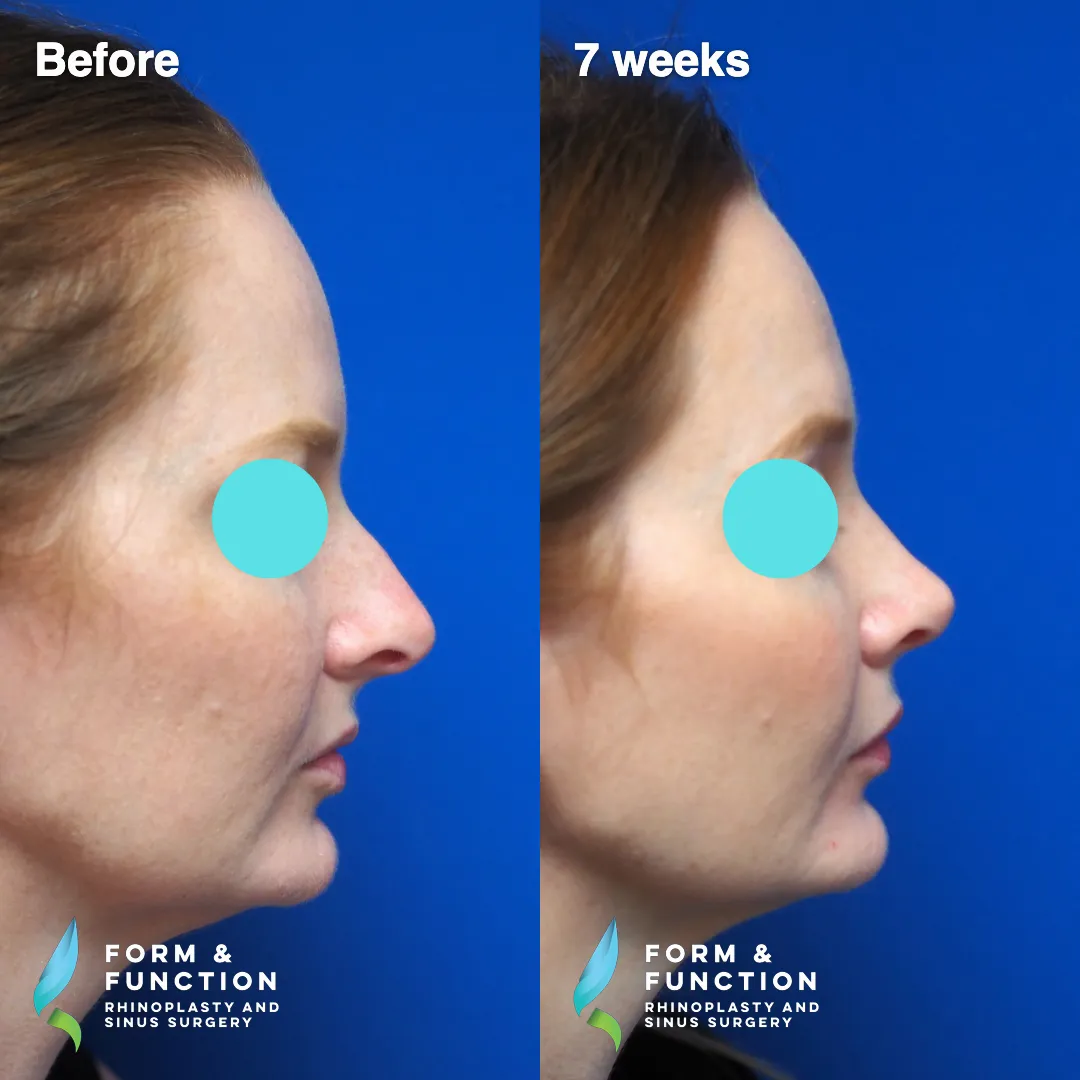
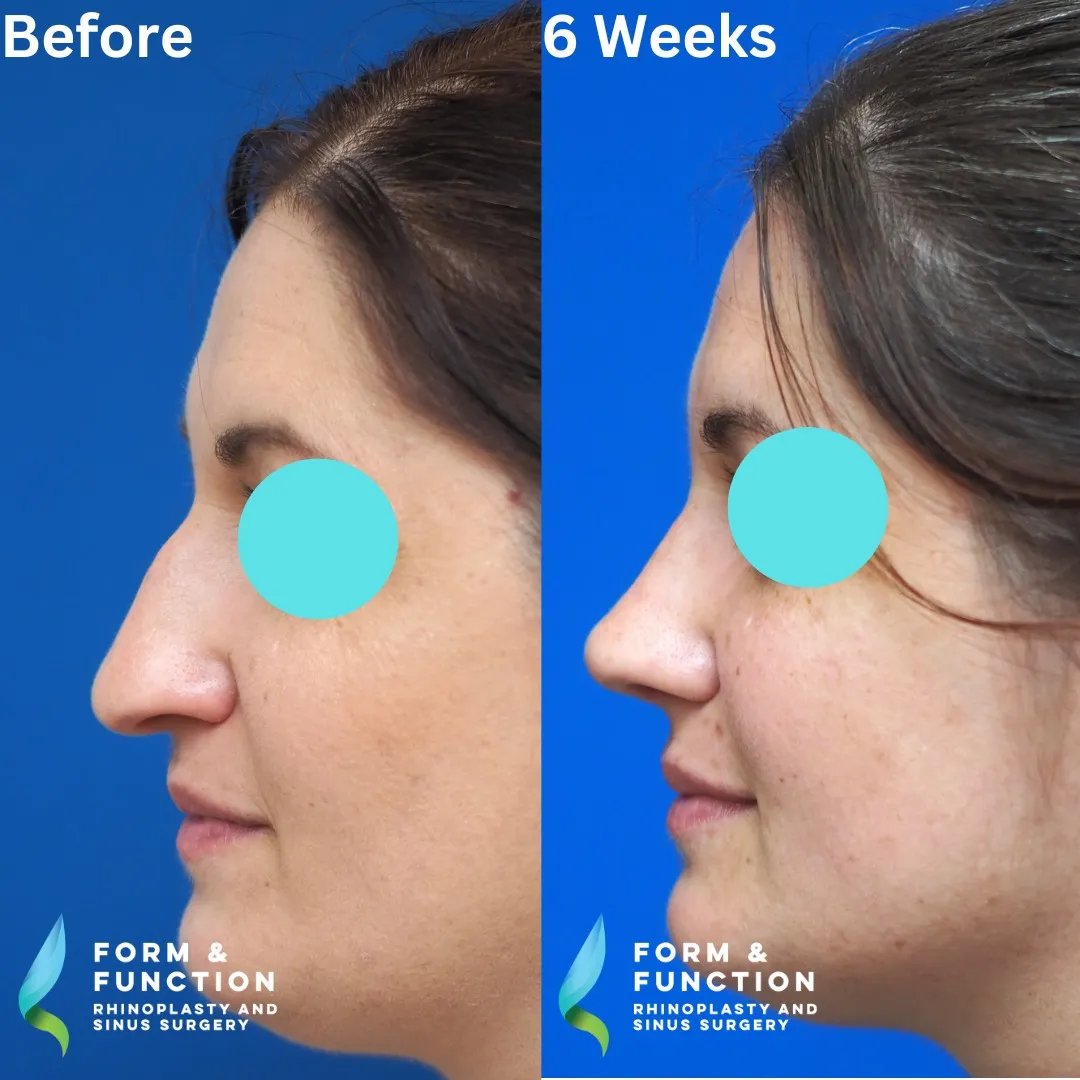
Patients who had the septum straightened as part of their operation, with the time since surgery stated on each photograph.