My adult practice is exclusively nasal surgery. That is all I do, and it shapes how I approach every case: the nose has to work as well as it looks, and the two are not separable.
What I treat
Cosmetic concerns. A dorsal hump, a wide or bulbous tip, a nose that is too large or too narrow for the face, asymmetry, or a nose that has changed shape after injury.
Breathing problems. A deviated septum, collapse of the nasal valve, or a nose that has never worked properly. Functional surgery of this kind may attract a Medicare rebate where it meets the criteria: a NOSE Scale score above 45, or a significant acquired, congenital or developmental deformity. This is assessed at consultation.
Revision surgery. Patients who are unhappy with a previous operation, or whose breathing has been made worse by it. Revision work is more demanding than primary surgery, often requires cartilage grafts, and takes longer to settle. It is a significant part of what I do.
Ultrasonic rhinoplasty
I use piezoelectric instruments for all my rhinoplasty. That is what “ultrasonic rhinoplasty” refers to.
The instrument vibrates at high frequency and cuts bone, but largely spares the soft tissue, blood vessels and cartilage around it. Traditional instruments such as chisels, osteotomes and rasps cut whatever they meet. That matters because the nasal bones sit directly beneath the skin, wrapped in tissue that all contributes to how the nose looks and breathes afterwards.
I use it for two reasons, and both are about control rather than speed.
The first is precision in shaping. A rasp takes bone across whatever surface it touches. A piezoelectric tip removes bone exactly where it is placed, under direct vision rather than by feel. On the bridge of the nose where a fraction of a millimetre changes the profile, that difference is real.
The second is the osteotomies, the controlled cuts that let the nasal bones be repositioned. Made with an osteotome (chisel) these are often performed with limited visibility, and bone can fracture along a line other than the one intended. Made with a piezoelectric instrument, the cut goes where I put it. When you are narrowing a bony vault symmetrically, or straightening a nose that has been broken, that predictability matters a great deal.
What I notice most is how patients look in the first week or two. Less bruising, and less of the swelling around the eyes that people find most confronting.
What is involved
Cosmetic surgery in Australia requires a referral (preferably from your usual GP, or from another GP or specialist who works independently of me), at least two consultations with at least one in person with me, and a cooling off period of at least seven days that runs after both consultations and signed consent. Surgery cannot be booked, and no deposit taken, until it has ended.
The first appointment is typically a full examination: I take your history and examine your nose inside and out, including your airway with a small camera (endoscopy). The second consultation focuses on photo morphing, where I edit your own photographs in Photoshop to show what a change might look like, and on answering your questions. The images are a guide to our discussion, not a promise of the result.
I do not offer surgery to everyone who consults me. I will only proceed where I am confident that surgery can deliver a worthwhile and lasting improvement, and I will say so directly if I do not think that is the case.
Recovery
Most patients take 10 days to two weeks off work. A week-by-week account of recovery is on its own page, and the pre-operative care page covers what to organise before surgery. The splint comes out at your review, between seven and ten days after surgery. Stitches are usually dissolvable; the only ones that need removing are after an alar base reduction (alarplasty). You then tape the nose at night for six to eight weeks.
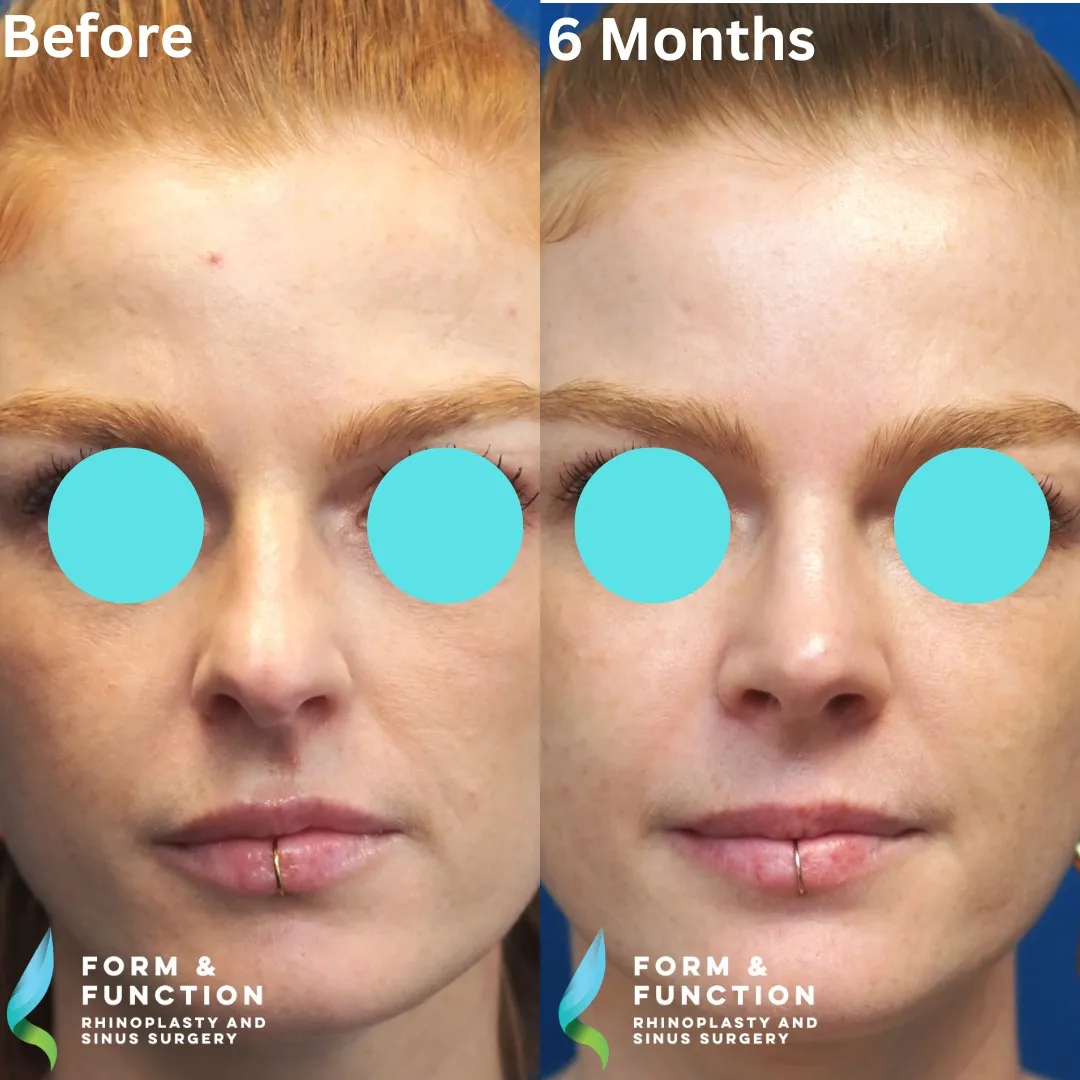
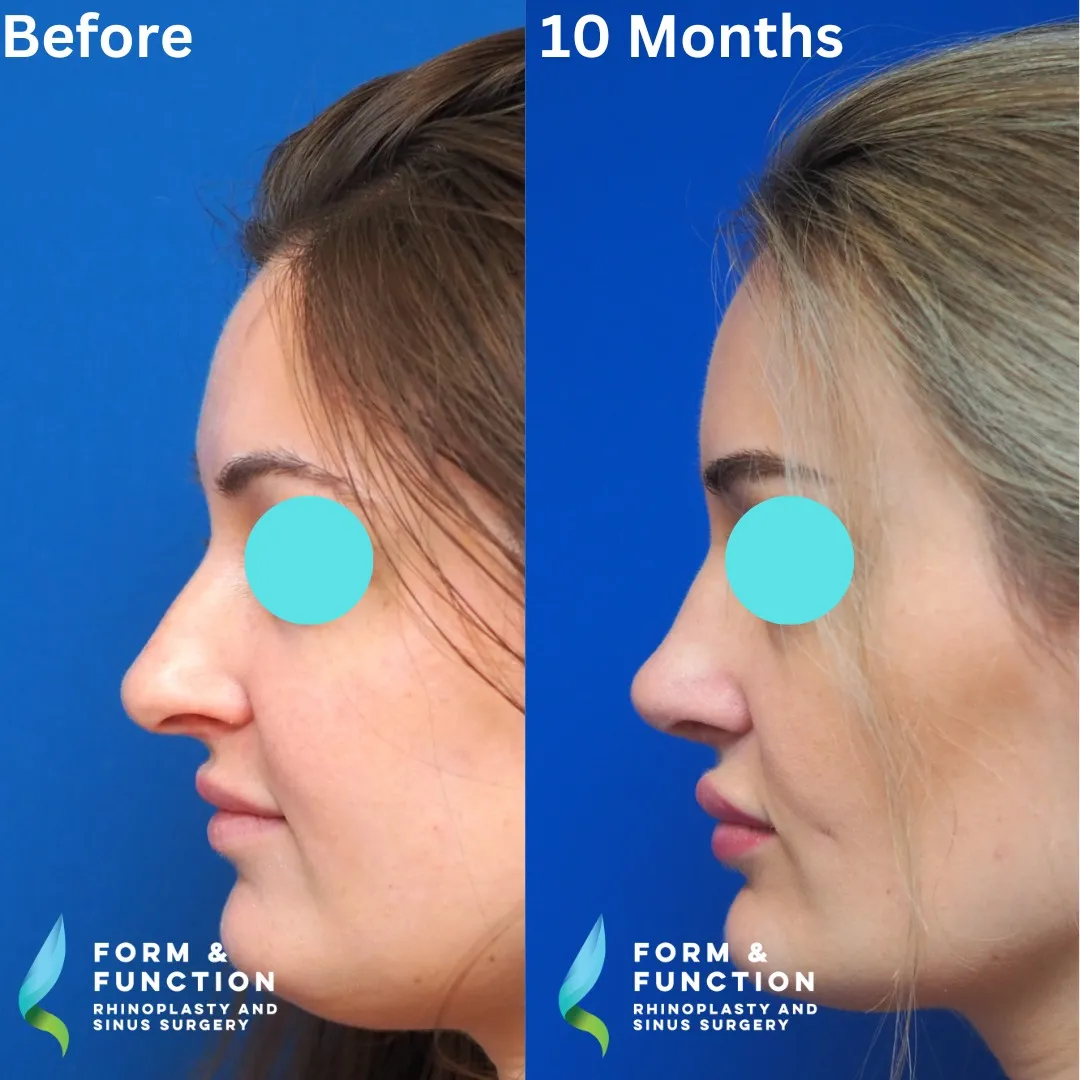
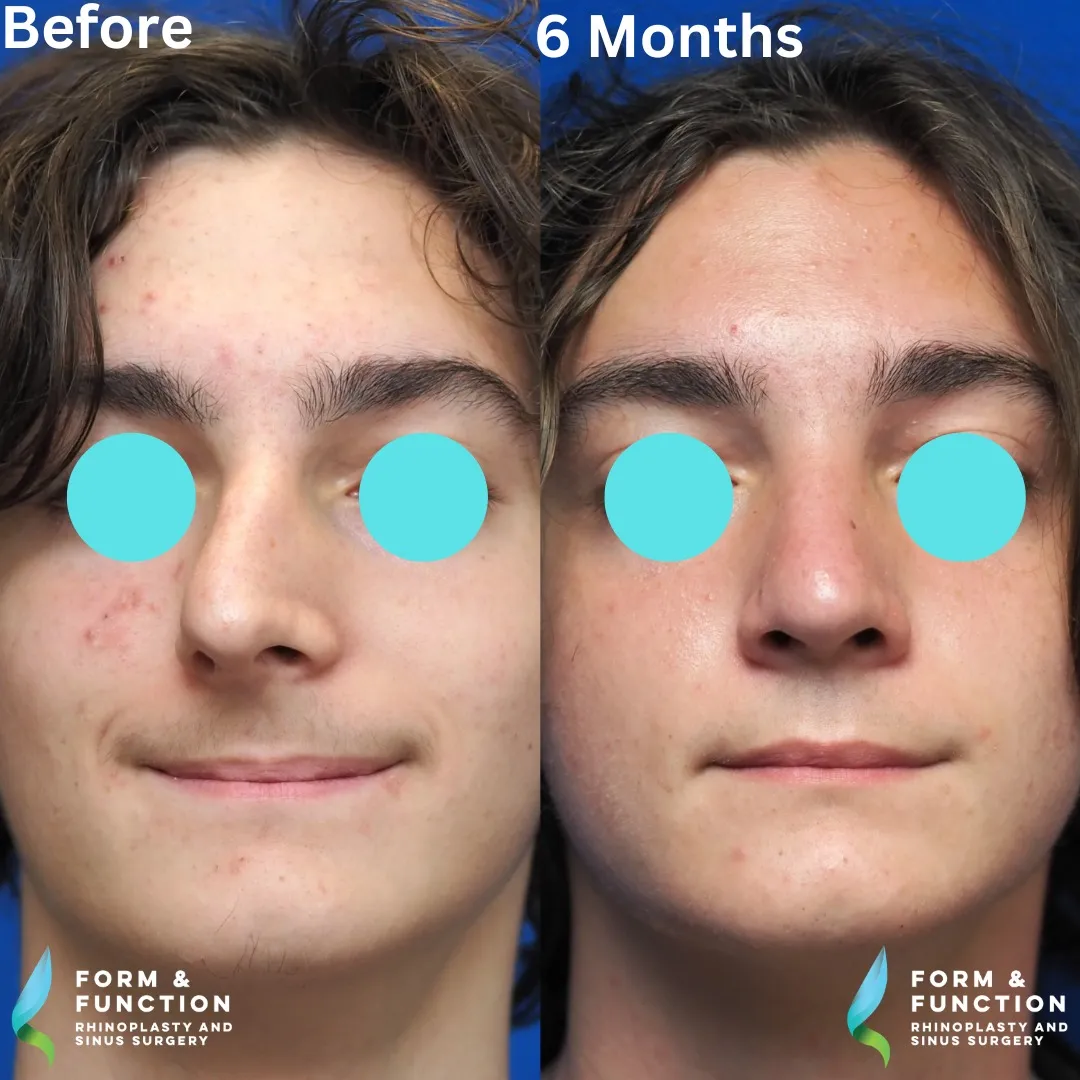
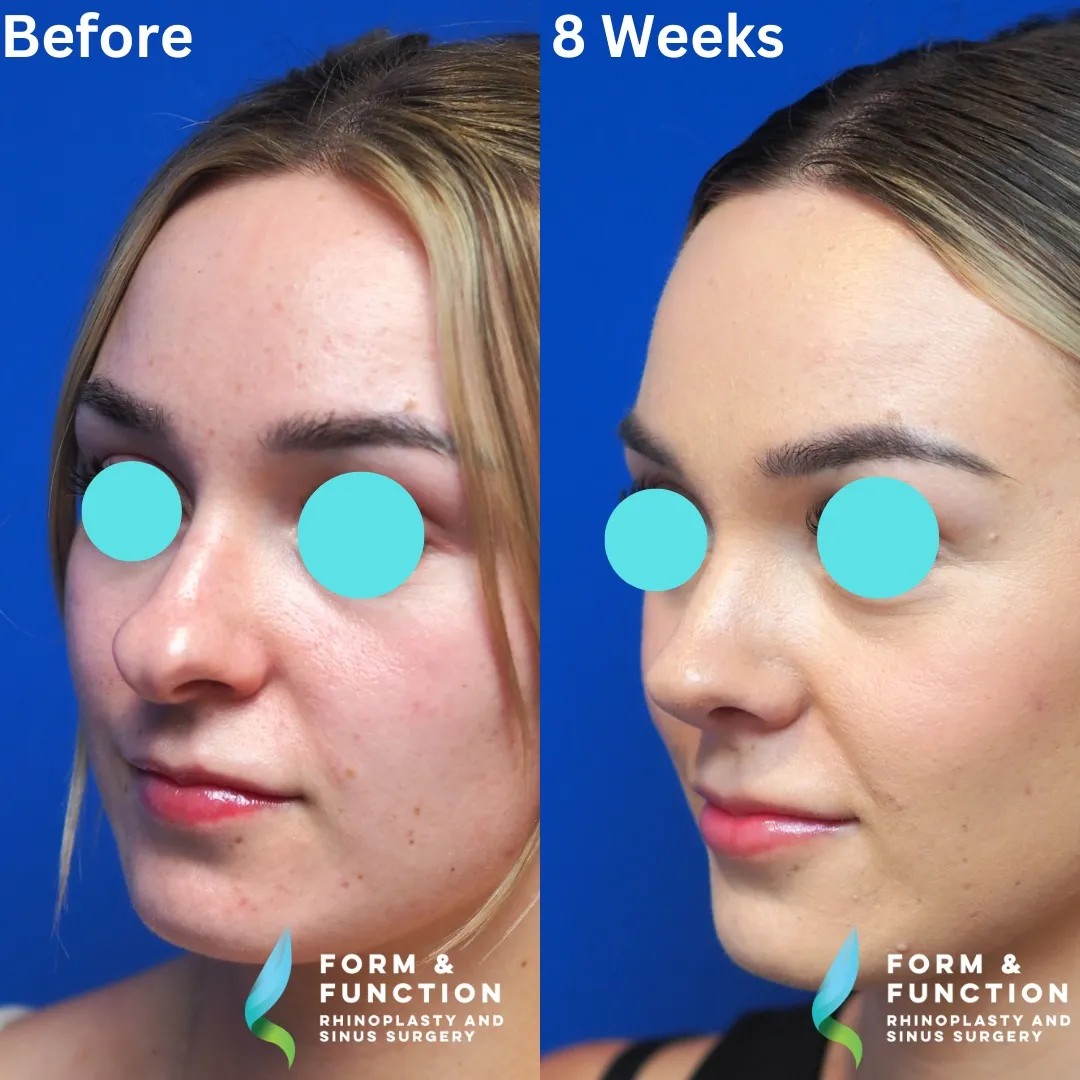
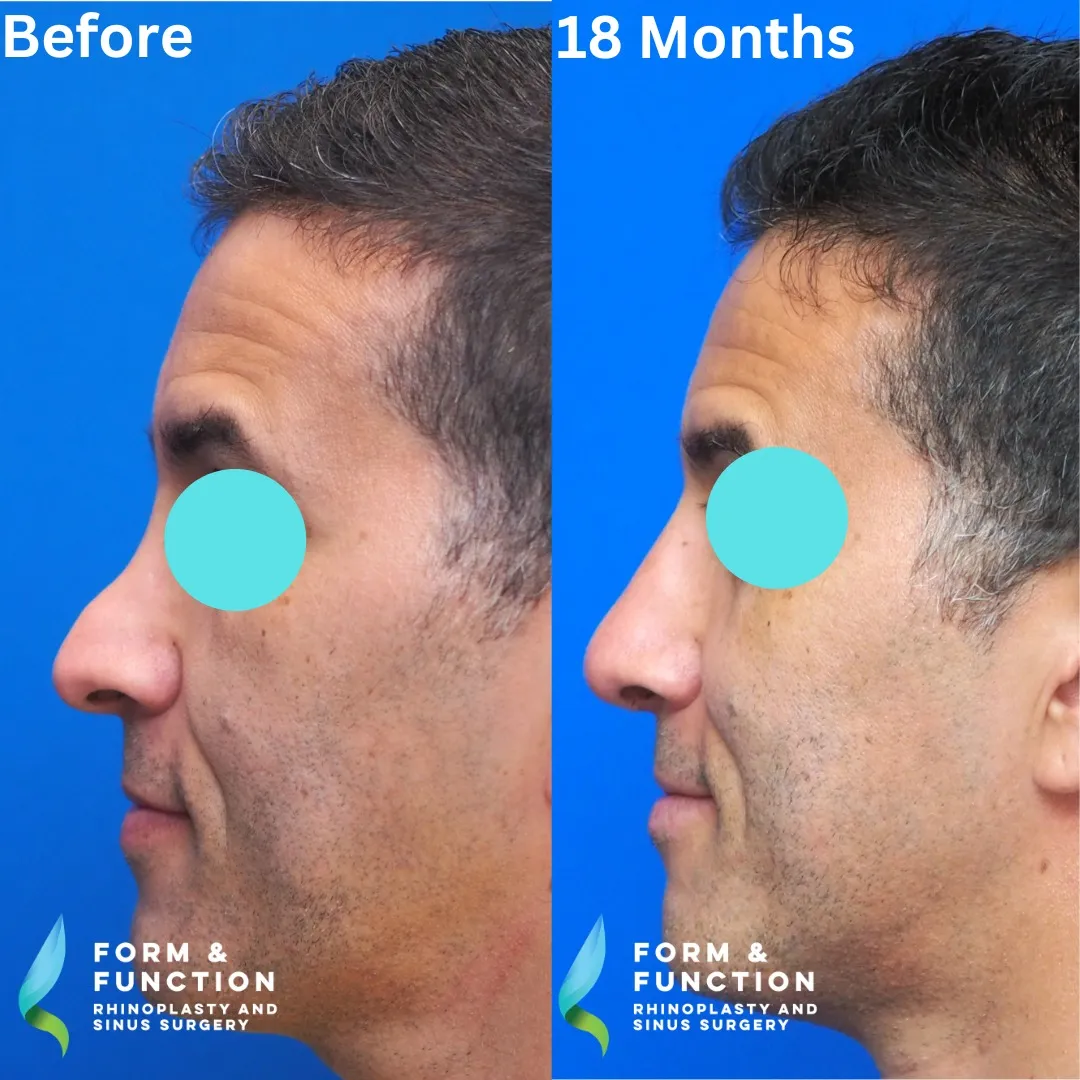
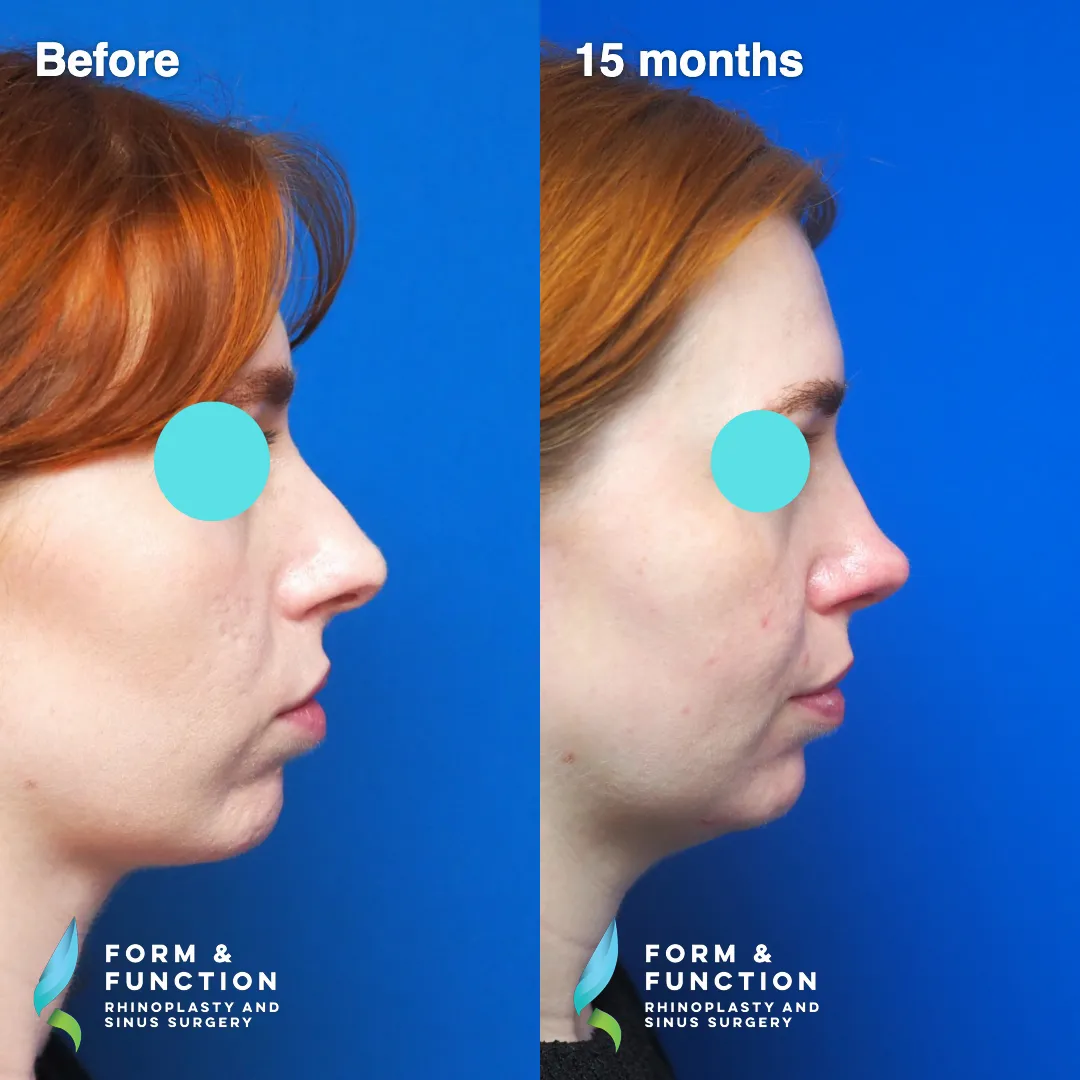
Swelling settles over the first six to eight weeks, but the nose continues to refine for twelve months and longer, particularly at the tip. Patients with thicker skin take longer. This is why the photographs in the gallery state how long after surgery each was taken.
Risks
Rhinoplasty carries risk whatever instruments are used. Bleeding, infection, changes to breathing, residual irregularity that may need revision surgery, and the possibility that the result is not what you hoped for all apply.
The full discussion of risks and expected recovery is set out in the risks and side effects answers and forms part of every consultation.
Results
Before and after photographs of my patients are in the gallery, with the time since surgery stated for each. Results vary between patients and no surgical outcome can be guaranteed.
Where I consult and operate
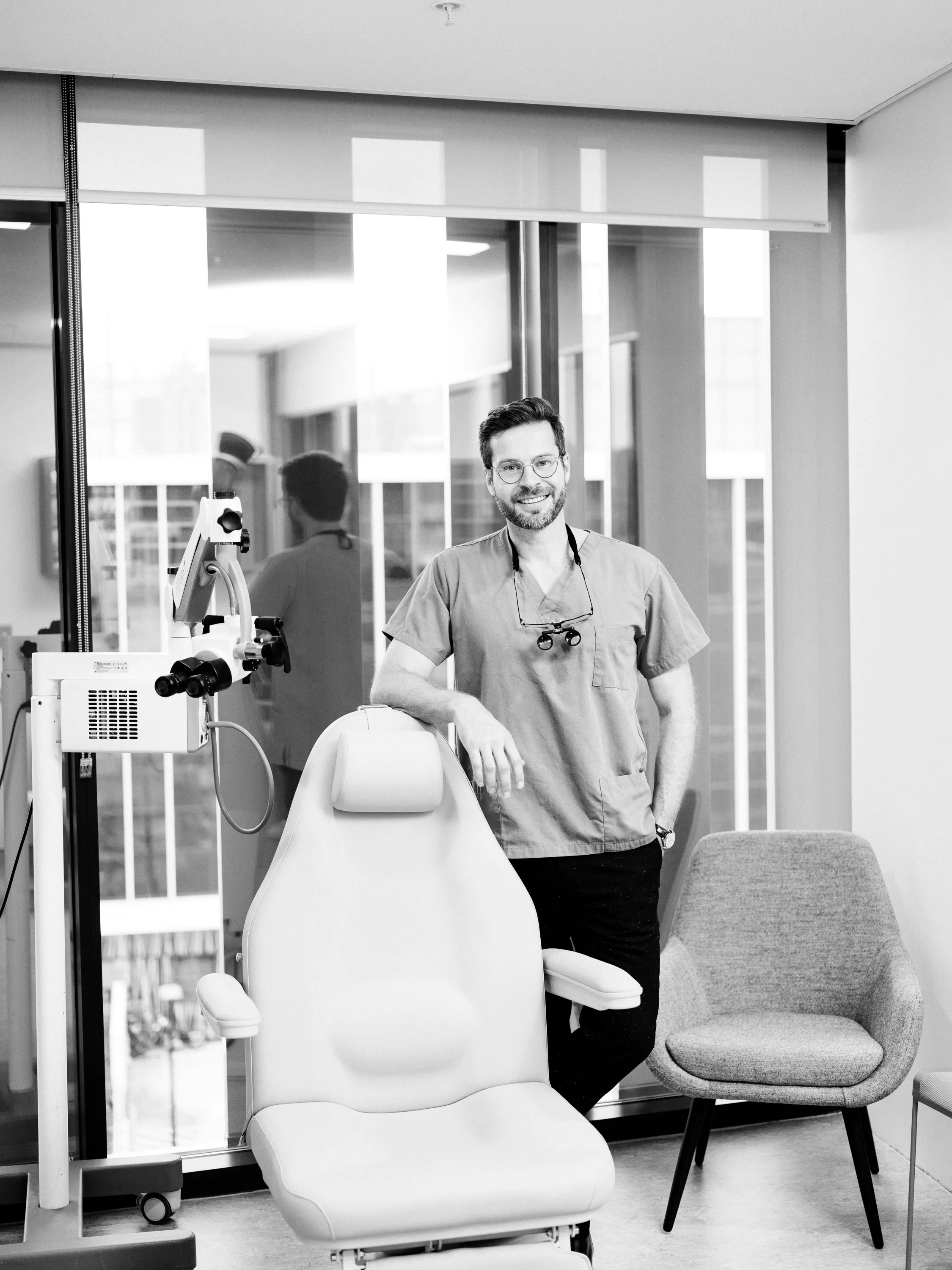
I am an ENT surgeon and a Fellow of the Royal Australasian College of Surgeons (FRACS); you can read more about me. I consult at rooms in Indooroopilly, Ipswich and Springfield, between 8.30am and 4.30pm. I operate at Herston Private Hospital, Mater Private Hospital Springfield and Westside Private Hospital (Taringa).
Costs are quoted in writing after your consultation. The cost of rhinoplasty page explains what makes up the total and when Medicare applies.
Patients from outside Brisbane
I see patients from the Gold Coast, the Sunshine Coast, across Queensland and interstate. The first consultation is ideally in person, but it can be done by video; the second is always in person before surgery. Travel needs some planning, particularly around the cooling off period and the time before you can fly home, and we will set that out for you when you enquire.
Surgical procedures and conditions I treat
Deviated Nose
Female Rhinoplasty
Male Rhinoplasty
Nasal bump
Revision
See the FAQ section for more detailed information regarding Rhinoplasty surgery.